

Figuring out what to wear to your first BJJ class should not be the hardest part of starting Brazilian jiu-jitsu — but for many beginners, it is. Walking into a new academy is nerve-wracking enough without second-guessing your wardrobe. Should you buy a gi? Are shorts okay? Do you really need a rash guard?
The good news is that Brazilian jiu-jitsu has one of the simplest dress codes in all of martial arts — once you understand the difference between gi and no-gi training. Whether you are rolling in Austin, Houston, or a small-town Texas academy, the rules are the same everywhere: dress for safety, hygiene, and mobility. The wrong clothes snag, trap sweat, or cause injuries; the right gear lets you focus on learning technique instead of tugging at a loose T-shirt.
In this beginner guide, we break down exactly what to wear to your first BJJ class, what to leave at home, and the most common rookie mistakes we see across CombatTX-listed academies. We cover gi and no-gi essentials, what goes underneath, footwear rules, and what to pack in your gym bag so you can step on the mat with confidence.
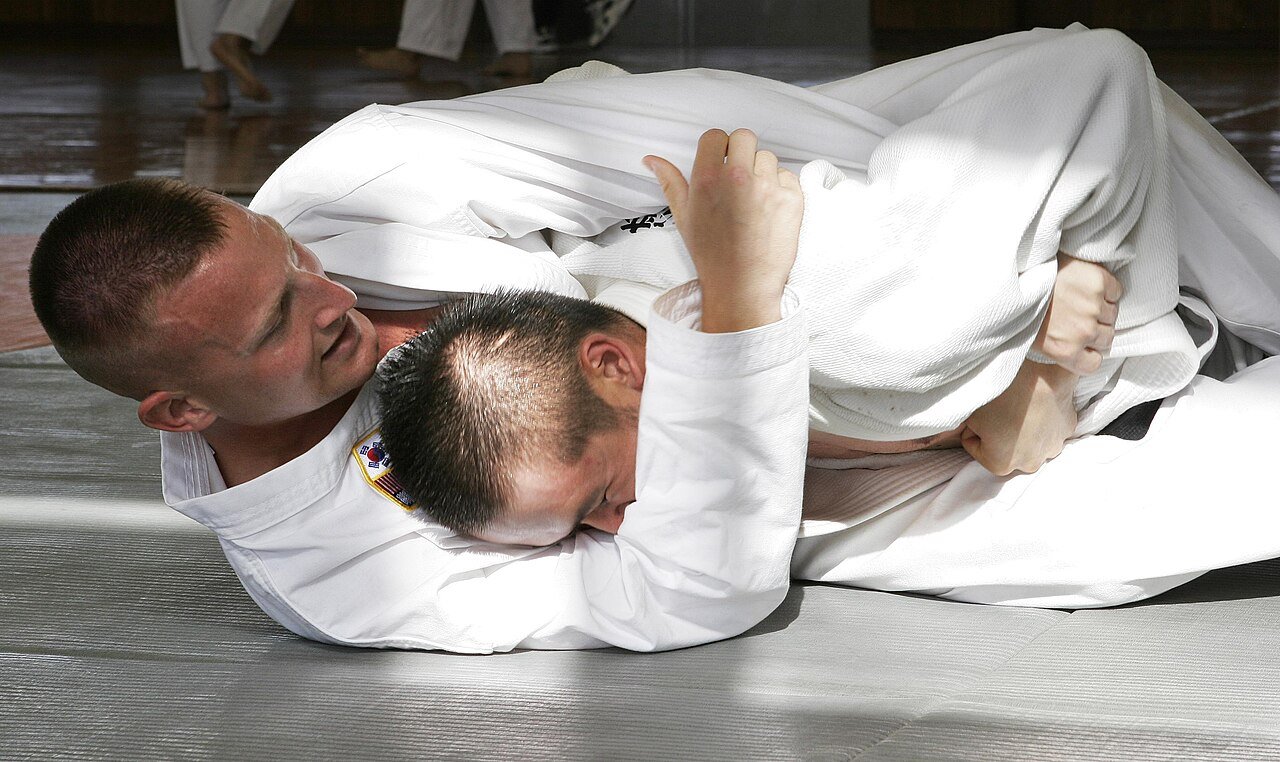
Gi vs No-Gi: Know Which BJJ Class You Are Attending
Before you spend a dollar, find out whether your first session is a gi class or a no-gi class — the dress codes are completely different, and showing up to the wrong one is the most common beginner mistake of all.
Gi class (the kimono)
You will wear the traditional Brazilian jiu-jitsu uniform: a heavy cotton jacket, drawstring pants, and a colored belt that ranks your progress. The gi is grippy, which is why gi grappling emphasizes collar chokes, sleeve control, and slow, technical pressure. Most Texas academies loan or rent a clean gi to first-timers — always call ahead before buying one. If you do need your own, start with a simple white or blue single-weave gi: durable, affordable, and accepted at every gym.
No-gi class
No-gi is faster and slipperier. You will wear a fitted rash guard (a tight, moisture-wicking athletic shirt) and grappling shorts or spats (snug compression leggings). Without sleeves and lapels to grab, no-gi rewards speed, wrestling-style takedowns, and underhooks — and it is the default format for MMA.
Not sure which your gym teaches? Browse the jujitsu schools on CombatTX — most academies publish their weekly schedule and label each class as gi or no-gi. When in doubt, a rash guard plus board shorts works for a trial no-gi class, and you can borrow a gi for a trial gi class.
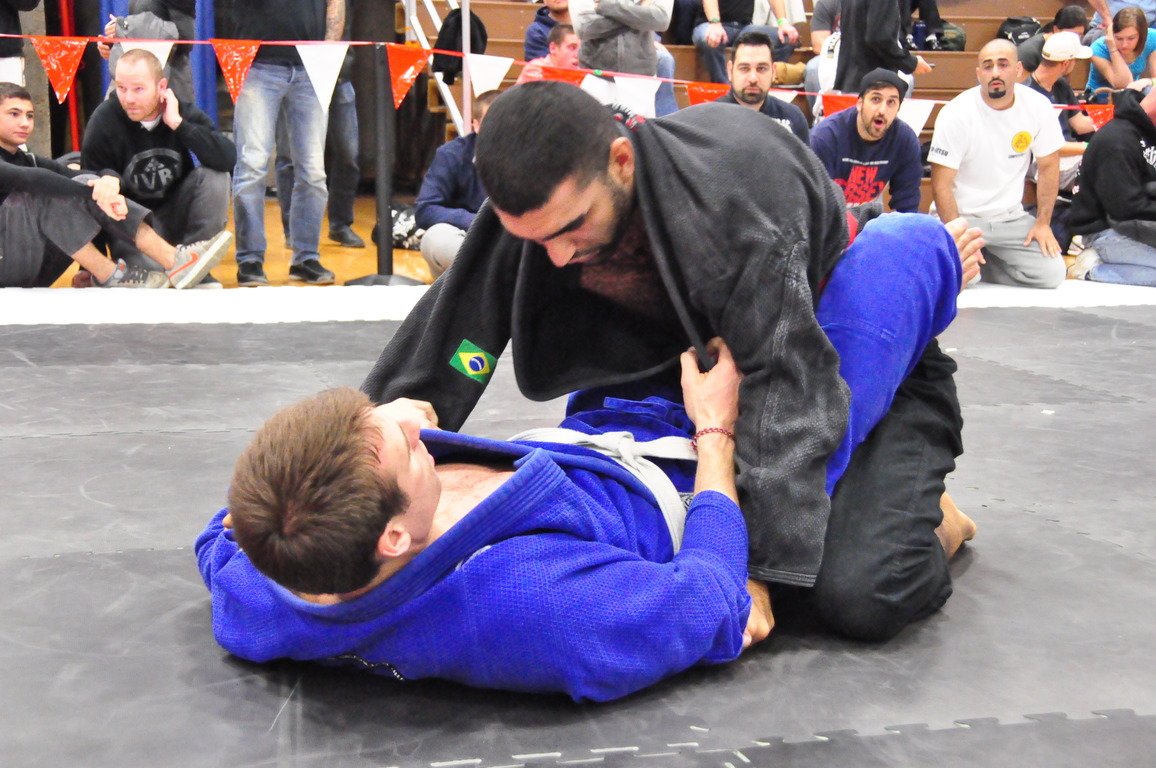
What to Wear Under Your Gi (BJJ Base Layers)
Under the gi
Beneath the kimono, men typically wear compression shorts or a rash guard; women wear a sports bra, rash guard, and compression shorts or spats. Never go shirtless under an open gi, and skip cotton T-shirts — they soak up sweat, stretch out, and create awkward gaps. A snug, moisture-wicking base layer keeps you dry and protects your skin from mat burn.
For no-gi
Your kit is a rash guard on top and grappling shorts, spats, or both on the bottom. The golden rule for no-gi is everything tight. Baggy shorts and loose tees get caught between limbs, hide choke grips, and trap heat. Board shorts with a Velcro fly and internal drawstring are the standard; many grapplers layer spats underneath for extra grip and warmth in air-conditioned Texas gyms.
A quick word on rash guards: you do not need an $80 name-brand top for day one. Any fitted, synthetic, moisture-wicking shirt (often sold as a compression shirt or surf rash guard) does the job. Just make sure there are no zippers, pockets, or loose drawstrings — they scratch training partners and are banned at most gyms.
What about the belt? If you are borrowing a gi, the academy hands you a white belt. If you buy a gi, a white belt is usually included. Tying it takes practice, so ask a higher belt to show you the superlock knot before class starts.
Footwear, Jewelry, and BJJ Hygiene Rules
BJJ happens barefoot — but that does not mean anything goes.
Footwear
Train barefoot or in dedicated, clean grappling socks. Never wear the same shoes you walked in with onto the mat. The standard ritual at every respectable gym: wear sandals or slides from the locker room to the edge of the mat, then step off them barefoot. Street shoes track in the bacteria and grime that cause ringworm and staph, the two skin infections every grappler dreads.
Jewelry and nails
Remove all rings, watches, necklaces, and piercings before stepping on the mat — they tear skin, snag fabric, and can be ripped out during a scramble. If a piercing cannot come out, cover it securely with athletic tape. Trim your fingernails and toenails short; long nails scratch training partners and are a fast way to get asked to sit out.
Hygiene
Shower as soon as possible after class, wash your gi and rash guard after every single session (never re-wear a sweaty gi), and never train with an open cut or active skin infection. A clean gi and a clean body are basic respect for your partners — and the simplest way to stay healthy on the mats.
What to Pack in Your Gym Bag
A well-stocked bag removes the stress from your first day. Here is the beginner checklist:
- For a gi class: gi (or confirmation the gym loans one), compression shorts or rash guard, white belt, water bottle.
- For a no-gi class: rash guard, grappling shorts or spats, water bottle.
- Sandals or slides for walking to and from the mat.
- A small towel — BJJ is a sweaty sport.
- A mouthguard if you grind your teeth or have dental work (optional but smart).
- A change of clothes so you do not drive home in a soaked gi.
- A plastic bag for your sweaty gear.
- Deodorant and face wipes for a quick freshen-up if there is no time to shower at the gym.
That is it. You do not need the fanciest gear to start — you need clean, fitted, mat-safe basics. The rest you will figure out after a few classes.
Conclusion
The short answer to what to wear to your first BJJ class is this: for gi, borrow a uniform and wear a snug base layer; for no-gi, wear a tight rash guard and fitted shorts or spats. Keep everything clean, skip the jewelry, and bring sandals for the mat edge. That is genuinely all you need for day one.
Remember, every black belt once showed up as a nervous beginner wondering the same thing about their wardrobe. No one judges a newcomer in borrowed gear — they judge attitude, effort, and hygiene. Show up clean, ask questions, and focus on learning, not looking the part.
Ready to find the right academy? Explore the BJJ and jujitsu schools across Texas on CombatTX, compare classes in Houston, Austin, or Dallas, and book your free trial class today.
Frequently Asked Questions
Q: What should I wear to my first BJJ class if I do not have a gi?
A: Call the academy ahead of time — most loan or rent a clean gi to first-timers for free. If you cannot borrow one, ask whether your first session is a no-gi class; for no-gi you only need a fitted rash guard and grappling shorts or spats.
Q: Do I need to buy a gi before my first Brazilian jiu-jitsu class?
A: No. Wait until you have tried a class and confirmed you want to continue. Borrow a gi for your first few sessions, then invest in a basic white or blue single-weave gi (about $70 to $150), which is durable and accepted at every Texas gym.
Q: Can I wear a regular T-shirt and shorts to BJJ?
A: For a no-gi class, avoid loose cotton T-shirts and baggy shorts — they snag between limbs and trap sweat. Wear a tight rash guard or compression shirt and fitted grappling shorts or spats instead. Tight, synthetic, and pocket-free is the rule.
Related Guides
- How Much Does Martial Arts Training Cost in Texas
- What to Expect at Your First BJJ Class
- How to Choose Your First MMA Gym in Texas
- BJJ vs. Wrestling: Which Is Right for You?
- 5 Boxing Training Tips for Beginners
- Browse all jujitsu schools in Texas
- Combat sports gyms in Houston
- Combat sports gyms in Austin