
Walking into your first martial arts gym is exciting — until you realize how many striking arts there are to choose from. If you have narrowed it down to boxing vs Muay Thai, you are already ahead of most beginners. Both are world-class combat sports, but they build very different skill sets, demand different conditioning, and suit different goals. Boxing teaches you to move, slip, and counter with just your hands — the “sweet science” of footwork and timing. Muay Thai, the “Art of Eight Limbs,” adds elbows, knees, and kicks, making it one of the most complete striking systems on the planet.
This guide breaks down the real differences so you can stop second-guessing and start training. By the end, you will know exactly which art fits your fitness goals, budget, and personality — and where to find a gym in Texas.
The Basics: What Each Art Actually Teaches
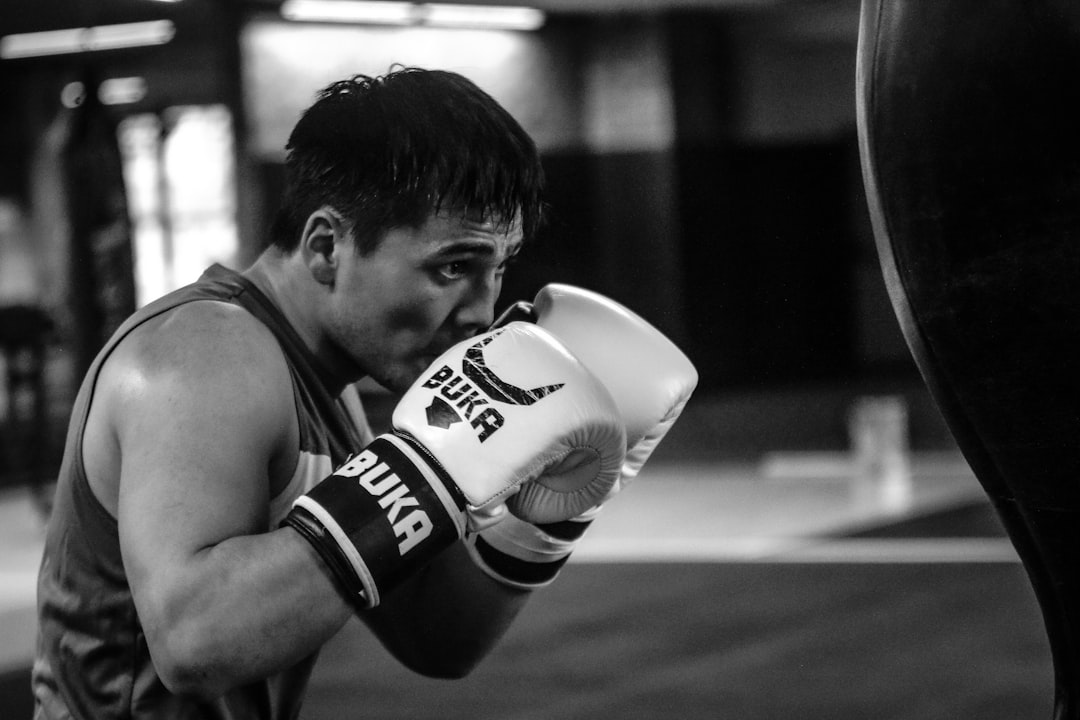
Boxing is built around two weapons: your fists. Every technique — the jab, cross, hook, and uppercut — is delivered from a tight, mobile stance. You learn head movement, footwork, distance management, and the rhythm of slipping punches and countering. The beauty of boxing is its depth: the rules are simple, but mastering them takes years.
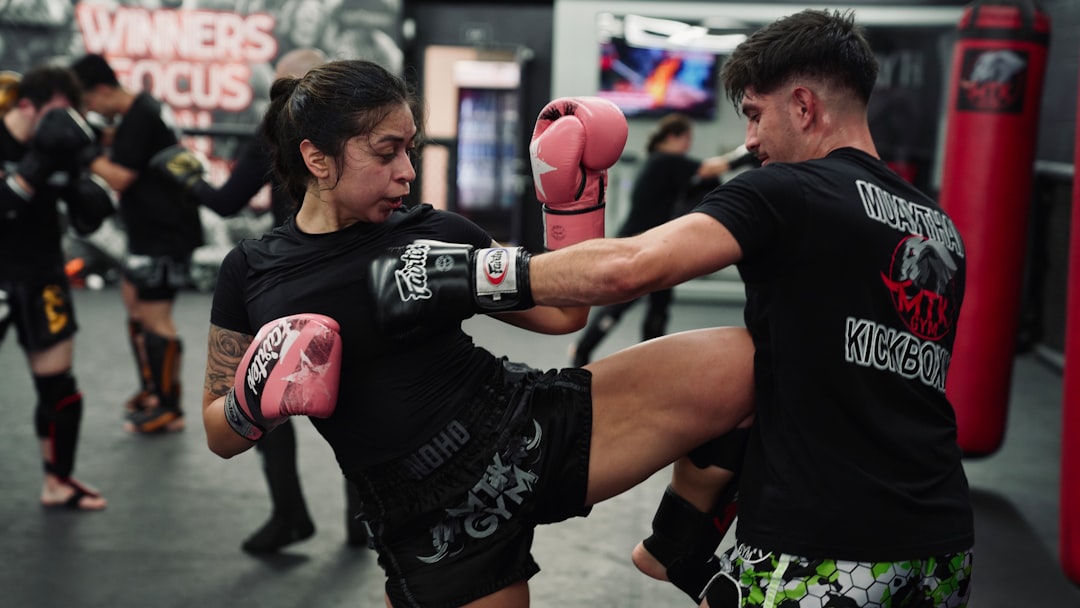
Muay Thai expands your arsenal dramatically. In addition to punches, you learn kicks (especially the signature roundhouse and teep push kick), knees, elbows, and the clinch — a close-range grappling battle where you control an opponent’s posture and deliver strikes. That is why it is called the Art of Eight Limbs. Where boxing rewards evasion, Muay Thai often rewards pressure and the willingness to exchange.
The practical upshot: boxing makes your hands and footwork elite, while Muay Thai makes you a well-rounded striker who can attack from any range. Neither is objectively “better” — it depends on whether you want to specialize or generalize. Most MMA fighters eventually train both, because boxing sharpens the hands and Muay Thai covers the rest.
Boxing vs Muay Thai: Techniques and Weapons Compared
The boxing vs Muay Thai debate really comes down to range. Boxing is a mid-range, hands-only art; Muay Thai is a full-range art that works from the outside (kicks), the mid-range (punches), and the inside (knees, elbows, clinch).
In boxing, the stance is bladed (sideways) to present a smaller target and load the rear hand. Footwork is constant — you are always angling off, pivoting, and cutting off the ring. Defense relies on slipping, rolling, and blocking with the gloves. In Muay Thai, the stance is more square and weight sits slightly back to allow fast kicks and checks (blocking kicks with your shins). The clinch is an art in itself: you tie up an opponent’s arms, off-balance them, and strike with knees. This close-range work simply does not exist in boxing.
Neither style is “safer” by default — both involve contact — but boxing sparring is typically hands-only and easier to control early on, while Muay Thai’s kicks and clinch take longer to feel comfortable with. If you want a faster path to competent striking, boxing gets you functional quickly. If you want a complete stand-up game, Muay Thai is hard to beat.
Fitness, Difficulty, and the Learning Curve
Both arts are incredible workouts, but they feel different. A boxing class is high-intensity interval training disguised as a sport: three-minute rounds of bag work, shadowboxing, and pad drills with short rests. You will build explosive cardio, lean muscle, and serious shoulder and core endurance — expect to burn 400–600 calories in a typical session.
Muay Thai training is equally demanding but taxes your whole body. Kicking builds powerful hips and legs, and the clinch develops raw isometric strength. Sessions often run 60–90 minutes and can burn 600–800 calories. On difficulty, boxing is generally easier to start: two weapons, clear fundamentals, and a stance that feels natural. You can look competent within a few months. Muay Thai has a steeper early curve — the roundhouse, the teep, and the clinch all require flexibility, balance, and timing that take time to develop, and shin conditioning is a months-long process.
That said, boxing has the deeper “mastery” curve: the gap between a good boxer and a great one is enormous, and small details in head movement and distance separate the levels. Muay Thai is more forgiving early but rewards aggression and conditioning.
Which Is Better for Self-Defense?
For real-world self-defense, both work — with caveats. Boxing gives you functional, fast hands and, crucially, the footwork and head movement to avoid getting hit. Against an untrained attacker, a boxer’s ability to slip a wild punch and counter is devastating, and the training teaches you to stay calm under pressure. The limitation is the bladed stance, which is less stable against takedowns or kicks.
Muay Thai covers more scenarios. Knees and elbows are brutal at close range — exactly where street altercations happen — and a well-placed low kick can end a confrontation fast. The clinch teaches you to control someone grabbing you. The trade-off is that kicking high leaves you vulnerable, and some techniques assume a trained opponent. Bottom line: boxing gives you fast, effective hands and evasion; Muay Thai gives you more tools and better close-range control. Many coaches recommend starting with boxing for fundamentals, then layering in Muay Thai.
The Verdict: Which Should You Choose?
So, which should you choose? Pick boxing if you want to master your hands, build fast reflexes, and get into fighting shape with a relatively gentle learning curve. Pick Muay Thai if you want a complete striking arsenal, do not mind a steeper start, and love the idea of using every limb as a weapon. Either way, the best martial art is the one you will actually stick with — and the only way to know is to try a class.
Ready to start? CombatTX lists boxing gyms and Muay Thai gyms across Texas. Browse our directory to compare schools in your city and book a free intro session today.
Frequently Asked Questions
Which is better for beginners, boxing or Muay Thai?
Boxing is generally easier for beginners because it focuses on just two weapons — your hands — and uses a natural, mobile stance. Most people feel competent within 2–3 months. Muay Thai has a steeper learning curve due to kicks, the clinch, and shin conditioning, but it produces a more complete striker long-term. CombatTX lists beginner-friendly boxing and Muay Thai gyms across Texas — search your city to get started.
How much do boxing and Muay Thai classes cost in Texas?
In Texas, both boxing and Muay Thai typically cost $100–$180 per month for unlimited classes, with drop-in rates around $15–$25. Muay Thai can run slightly higher because specialized gear (shin guards, Thai pads) costs more. See our full breakdown of martial arts training costs in Texas for details and budget tips.
Which burns more calories, boxing or Muay Thai?
Both are excellent for fat loss. A typical boxing session burns roughly 400–600 calories per hour, while Muay Thai can burn 600–800 calories because kicking and clinching engage the entire body. If weight loss is your main goal, either will work — consistency matters more than which art you pick.
Related Guides on CombatTX
- Find a boxing gym near you
- Browse Muay Thai gyms in Texas
- Kickboxing schools in Texas
- Combat sports gyms in Houston
- Combat sports gyms in Austin
- Combat sports gyms in Dallas
- 5 Boxing Training Tips for Beginners
- The Benefits of Muay Thai for Fitness
- How Much Does Martial Arts Training Cost in Texas
- BJJ vs. Wrestling: Which Is Right for You?