
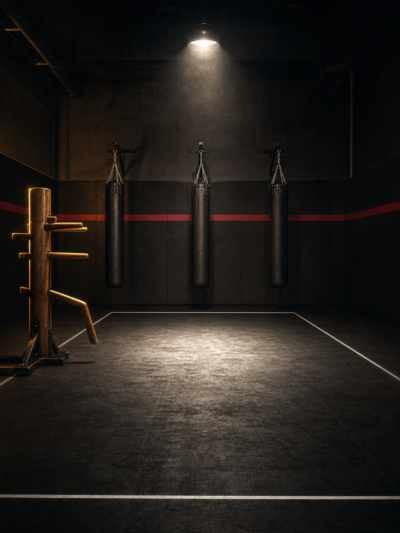
2,056 Listings

Martial arts

The premier directory of martial arts schools in Texas. With over 2,000 verified training facilities across the state, CombatTX is the most comprehensive resource for finding martial arts instruction in Texas. Whether you are a complete beginner looking for your first class or an experienced practitioner seeking advanced training, our directory connects you with qualified martial arts schools in your area. Martial arts training offers benefits for all ages, including improved physical fitness, discipline, self-confidence, and practical self-defense skills. According to a 2025 study by the Martial Arts Industry Association, over 6.5 million Americans actively train in martial arts, with Texas ranking among the top 5 states for martial arts participation. The most popular disciplines in Texas include Karate, Taekwondo, Brazilian Jiu-Jitsu, Boxing, and Muay Thai. What should you look for in a martial arts school? Key factors include instructor credentials and lineage, class schedule flexibility, a clean and well-maintained training facility, a welcoming atmosphere for beginners, trial class availability, and transparent pricing. Many of the schools in our directory offer free or low-cost introductory classes so you can experience their teaching style before committing. Use CombatTX to search martial arts schools by city, discipline, or rating. Each listing includes verified contact information, hours of operation, class offerings, and reviews from real students. <h2>Frequently Asked Questions</h2><h3>What is the best martial art for beginners?</h3><p>For beginners, Karate, Taekwondo, and Brazilian Jiu-Jitsu are the most accessible martial arts. Karate and Taekwondo focus on striking techniques and structured belt progressions, while BJJ emphasizes ground grappling. The best martial art for you depends on your goals: self-defense (BJJ or Krav Maga), fitness (Muay Thai or boxing), or discipline and tradition (Karate or Judo). Most schools offer free trial classes so you can try before committing.</p><h3>How much do martial arts classes cost in Texas?</h3><p>Martial arts classes in Texas typically cost $125-$175 per month for unlimited training, with some schools charging as little as $80 or as much as $250 depending on the discipline and location. Most schools require an enrollment fee of $50-$150. Brazilian Jiu-Jitsu tends to be on the higher end ($150-$200/month), while Karate and Taekwondo are often more affordable ($100-$150/month).</p><h3>How long does it take to get a black belt?</h3><p>Earning a black belt typically takes 3-5 years of consistent training (2-3 classes per week) in most martial arts. Brazilian Jiu-Jitsu takes longer, averaging 8-12 years to reach black belt. Children's programs often have intermediate belt levels that keep students motivated. The journey varies by individual commitment, school requirements, and the specific martial art.</p><h3>What age should children start martial arts?</h3><p>Most martial arts schools accept children starting at age 4-6 in dedicated Little Dragons or Tiny Tigers programs. These focus on coordination, discipline, and basic movements rather than combat. Full martial arts training typically begins around age 7-8. Martial arts training for children improves focus, confidence, and physical fitness while teaching respect and anti-bullying skills.</p><h3>Is martial arts training safe?</h3><p>Martial arts training is generally safe when practiced at a reputable school with qualified instructors. The injury rate in martial arts is comparable to other youth sports like soccer or basketball. Beginner classes focus on technique and controlled practice. Look for schools with padded flooring, proper safety equipment requirements, and certified instructors.</p>
265 Listings

Boxing

Find the best boxing gyms in Texas with CombatTX. Our directory lists over 265 boxing gyms across the state, from competitive fight gyms to fitness-oriented boxing clubs. Whether you want to compete in amateur or professional boxing, or simply use boxing training to get in the best shape of your life, there is a gym in Texas for you. Boxing is one of the most effective cardiovascular workouts available. A one-hour boxing session can burn between 500 and 800 calories while building lean muscle, improving hand-eye coordination, and reducing stress. According to a 2024 study published in the Journal of Sports Science and Medicine, regular boxing training significantly improves cardiovascular health, body composition, and mental well-being. What is the difference between a boxing gym and a regular gym? Boxing gyms specialize in boxing-specific training with heavy bags, speed bags, double-end bags, a boxing ring, and coaches with competitive experience. Many boxing gyms in Texas also offer group fitness classes that incorporate boxing techniques for a full-body workout without the contact. When choosing a boxing gym, consider the coaching staff credentials, class sizes, equipment quality, gym atmosphere, and whether the gym focuses on competition, fitness, or both. Many Texas boxing gyms offer first-class-free promotions. Browse our listings to find a boxing gym near you with verified hours, reviews, and contact details. <h2>Frequently Asked Questions</h2><h3>How much does a boxing gym membership cost in Texas?</h3><p>Boxing gym memberships in Texas range from $50-$200 per month. Fitness-oriented boxing classes (like Title Boxing Club) cost $80-$150/month, while traditional boxing gyms focused on competitive training may charge $50-$100/month. Many gyms offer day passes ($10-$25) or free trial classes for new members.</p><h3>Is boxing a good workout for weight loss?</h3><p>Boxing is one of the most effective workouts for weight loss, burning 500-800 calories per hour. A typical boxing session combines cardio, strength training, and high-intensity interval training. Regular boxing training can help you lose 1-2 pounds per week when combined with proper nutrition. Boxing also builds lean muscle, which increases your resting metabolic rate.</p><h3>What equipment do I need to start boxing?</h3><p>For your first boxing class, most gyms provide the essential equipment: hand wraps, gloves, and heavy bags. Once you decide to continue, invest in your own hand wraps ($10-$15), boxing gloves ($30-$80 for training gloves), and a mouthguard ($10-$30). Some gyms require boxing shoes ($50-$120) for ring work. Your gym will advise you on specific requirements.</p><h3>What is the difference between fitness boxing and competitive boxing?</h3><p>Fitness boxing focuses on bag work, pad drills, and boxing-inspired cardio without sparring or competition. It is designed for getting in shape and stress relief. Competitive boxing includes sparring, technical drilling, and preparation for amateur or professional bouts. Most boxing gyms in Texas offer both tracks, allowing you to choose based on your comfort level and goals.</p>
106 Listings

Karate

Discover top-rated Karate schools in Texas through CombatTX. Our directory features over 100 verified Karate dojos and training centers across the state, covering major styles including Shotokan, Goju-Ryu, Shito-Ryu, Wado-Ryu, and American Karate. Karate remains one of the most popular martial arts in the United States, with over 1.5 million active practitioners nationwide. What is Karate? Karate is a traditional Japanese martial art developed in Okinawa that emphasizes striking techniques including punches, kicks, knee strikes, and elbow strikes. Modern Karate training typically includes kihon (basic techniques), kata (forms), and kumite (sparring). Karate became an Olympic sport at the 2020 Tokyo Games, further boosting its global popularity. Karate training provides significant benefits for children and adults alike. For children, Karate builds discipline, respect, focus, and coordination. A 2024 study in the Journal of Pediatrics found that children who practiced Karate for six months showed measurable improvements in attention span, academic performance, and social behavior. For adults, Karate offers stress relief, flexibility, full-body conditioning, and practical self-defense skills. How do you choose the right Karate school? Look for certified instructors with recognized rank credentials (such as black belt certification from a national or international governing body), a structured belt progression system, age-appropriate classes, a clean training environment, and positive reviews from current students. The average cost of Karate classes in Texas ranges from $80 to $150 per month. Search CombatTX for Karate schools near you with verified reviews, class schedules, and contact information. <h2>Frequently Asked Questions</h2><h3>What are the main styles of Karate?</h3><p>The four major styles of Karate recognized by the World Karate Federation are Shotokan (emphasizes powerful linear techniques and deep stances), Goju-Ryu (combines hard striking with soft circular movements), Shito-Ryu (combines elements of both hard and soft styles), and Wado-Ryu (emphasizes evasion and body shifting). American Kenpo and other derivative styles are also popular in Texas.</p><h3>How long does it take to get a black belt in Karate?</h3><p>Earning a black belt in Karate typically takes 3-5 years of consistent training at 2-3 classes per week. Children's programs may take 4-6 years due to adjusted requirements. The progression goes through 10 kyu (colored belt) ranks before reaching shodan (first-degree black belt). After black belt, there are 10 dan degrees that can take a lifetime to achieve.</p><h3>Is Karate good for self-defense?</h3><p>Karate is effective for self-defense, teaching striking techniques (punches, kicks, knee and elbow strikes), blocking, and awareness. Shotokan and Goju-Ryu styles emphasize practical self-defense applications. However, Karate does not typically include ground fighting, so some practitioners cross-train in Brazilian Jiu-Jitsu for a more complete self-defense skill set.</p><h3>How much do Karate classes cost in Texas?</h3><p>Karate classes in Texas typically cost $100-$150 per month for 2-3 classes per week. Family packages are often available at $200-$300/month for multiple family members. Most dojos charge an enrollment fee of $50-$100 and require a uniform (gi) purchase of $30-$60. Testing fees for belt promotions are usually $25-$75 per test.</p>
95 Listings

Taekwondo school

Find Taekwondo schools in Texas with CombatTX. Our directory features nearly 100 verified Taekwondo dojangs across the state, representing World Taekwondo (WT/Kukkiwon) and International Taekwondo Federation (ITF) styles. Texas has one of the highest concentrations of Taekwondo schools in the nation, reflecting the art's massive popularity among families and competitive athletes. What is Taekwondo? Taekwondo is a Korean martial art that emphasizes high, fast kicks, jumping and spinning kicks, and head-height kicks. The name translates to "the way of the foot and the fist." Taekwondo has been an Olympic sport since 2000 and is practiced by over 80 million people worldwide, making it one of the most widely practiced martial arts on the planet. Taekwondo is especially popular for children's martial arts programs. According to the National Center for Education Statistics, Taekwondo is the most enrolled-after-school martial art in the United States. The structured belt system, emphasis on respect and discipline, and dynamic kicking techniques make it engaging for young students while building coordination, flexibility, and confidence. How long does it take to earn a black belt in Taekwondo? Most students achieve their first-degree black belt (1st Dan) in approximately 3 to 5 years of consistent training, typically training 2 to 3 times per week. The average cost of Taekwondo classes in Texas ranges from $75 to $140 per month, with many schools offering family discounts and trial programs. Search our directory to find Taekwondo schools near you with verified reviews and class information. <h2>Frequently Asked Questions</h2><h3>What is Taekwondo?</h3><p>Taekwondo is a Korean martial art known for its emphasis on high, fast kicks, jumping and spinning kicks, and head-height kicks. It is one of the most popular martial arts in the world and has been an Olympic sport since 2000. Taekwondo training includes forms (poomsae), sparring (gyeorugi), board breaking, and self-defense techniques.</p><h3>Is Taekwondo good for kids?</h3><p>Taekwondo is excellent for children. It develops coordination, flexibility, discipline, and respect. Most Texas Taekwondo schools start accepting children at age 4-5 in specialized programs. The structured belt system provides clear goals and motivation, and the emphasis on kicking develops balance and leg strength that benefits other sports.</p><h3>How much does Taekwondo cost in Texas?</h3><p>Taekwondo classes in Texas typically cost $100-$160 per month for 2-3 classes per week. Many schools offer family discounts and after-school pickup programs for $150-$250/week. Testing fees for belt promotions range from $30-$75, and a dobok (uniform) costs $30-$60. Most schools offer a free trial class.</p>
76 Listings

Self defense school

Find self defense schools in Texas that teach practical, real-world personal protection skills. CombatTX lists over 100 verified self defense training facilities across the state, covering a range of approaches from reality-based self defense and Krav Maga to women's self defense programs and tactical training courses. Why learn self defense? According to the FBI's 2024 Uniform Crime Report, there were over 1.2 million violent crimes reported in the United States. Self defense training provides the skills, awareness, and confidence to protect yourself and your loved ones in dangerous situations. Beyond physical techniques, quality self defense instruction teaches situational awareness, threat assessment, de-escalation strategies, and the legal aspects of self defense. What should you look for in a self defense school? The best self defense programs incorporate scenario-based training, pressure testing, and techniques that work against larger and stronger attackers. Look for instructors with law enforcement, military, or competitive martial arts backgrounds. Programs should address standing defense, ground defense, weapon defense, and multiple attacker scenarios. Self defense training is not just about physical techniques. According to a 2025 study in the Journal of Interpersonal Violence, individuals who completed a self defense course reported a 62% increase in self-confidence and a 48% decrease in fear of victimization. Many Texas self defense schools offer specialized programs for women, children, seniors, and college students. Browse our directory to find self defense schools near you with verified reviews, class schedules, and pricing information. <h2>Frequently Asked Questions</h2><h3>What is the best self-defense class for women?</h3><p>The best self-defense programs for women combine practical physical techniques with situational awareness and verbal de-escalation. Brazilian Jiu-Jitsu is highly recommended because it teaches how to escape from larger attackers. Many Texas self-defense schools offer women-only classes that cover ground defense, strike avoidance, and personal safety strategies.</p><h3>How long does it take to learn self-defense?</h3><p>Basic self-defense skills can be learned in a 4-8 week course covering situational awareness, verbal de-escalation, and fundamental escape techniques. However, developing reliable self-defense skills that work under stress typically requires 6-12 months of regular training in a martial art like BJJ, Muay Thai, or Krav Maga. The key is consistent practice.</p><h3>What should I look for in a self-defense school?</h3><p>Choose a self-defense school with certified instructors who have real-world experience, a curriculum that includes scenario-based training, classes that practice at full intensity against resisting partners, and a supportive environment for beginners. Check CombatTX reviews and visit schools for a trial class before committing.</p>
69 Listings

Jujitsu school

Find Jujitsu and Brazilian Jiu-Jitsu schools in Texas with CombatTX. Our directory features nearly 70 verified Jujitsu academies across the state, making Texas one of the strongest BJJ communities in the country. From Houston and San Antonio to Austin, Dallas, and smaller cities throughout the state, you will find world-class Jujitsu instruction for every level. What is Jujitsu? Jujitsu (also written as Jiu-Jitsu or Ju-Jitsu) is a Japanese martial art that focuses on close-combat techniques including throws, joint locks, chokes, and ground fighting. Brazilian Jiu-Jitsu (BJJ), the most widely practiced form today, was developed from traditional Japanese Jujitsu by the Gracie family in Brazil. BJJ emphasizes ground fighting and submission holds, allowing a smaller practitioner to defeat a larger opponent through leverage and technique. Brazilian Jiu-Jitsu is one of the fastest-growing martial arts in the world. The sport's competitive scene has exploded, with the International Brazilian Jiu-Jitsu Federation (IBJJF) hosting tournaments that attract thousands of competitors globally. According to industry data, BJJ academy revenue in the United States exceeded $1.2 billion in 2025, with Texas ranking third nationally in total academies. How do you choose a Jujitsu school? Look for instructors with recognized rank under verified lineages, a clean mat area with proper hygiene protocols, structured fundamentals programs for beginners, competition team opportunities for advanced students, and a positive training environment. The average cost of BJJ membership in Texas ranges from $100 to $180 per month. Browse our listings to find Jujitsu schools near you with verified reviews and contact information. <h2>Frequently Asked Questions</h2><h3>What is the difference between Jujitsu and Brazilian Jiu-Jitsu?</h3><p>Traditional Japanese Jujitsu is a centuries-old martial art covering strikes, throws, joint locks, and weapons defense. Brazilian Jiu-Jitsu (BJJ) evolved from Judo and focuses almost exclusively on ground fighting, submissions, and positional control. BJJ is far more popular in the U.S. today and is the style you will find at most 'Jujitsu schools' listed on CombatTX.</p><h3>How much does BJJ cost in Texas?</h3><p>Brazilian Jiu-Jitsu memberships in Texas range from $120-$220 per month, with most academies charging $150-$180. Drop-in fees are typically $20-$30 per class. Competition teams and advanced programs may cost more. Many BJJ schools offer fundamentals programs included in the base membership and free trial classes for beginners.</p><h3>Is BJJ good for self-defense?</h3><p>Brazilian Jiu-Jitsu is highly effective for self-defense, especially in one-on-one situations. BJJ teaches you to control and submit a larger opponent using leverage, joint locks, and chokes rather than striking. It is considered one of the best martial arts for self-defense because it can be practiced at full intensity against a resisting opponent, making techniques pressure-tested and reliable.</p><h3>Can beginners start BJJ with no experience?</h3><p>Absolutely. Most BJJ academies have dedicated beginners or fundamentals programs designed for people with zero experience. You will learn basic movements, positions, and submissions in a controlled environment. BJJ is practiced at varying intensities, and experienced training partners will match your level. Start with a free trial class at a school near you on CombatTX.</p>
68 Listings

Gym

Find gyms and fitness training centers in Texas through CombatTX. Our directory lists nearly 80 gyms that offer martial arts and combat sports training alongside traditional fitness programs. These facilities combine weight training areas, cardio equipment, and group fitness classes with dedicated spaces for martial arts instruction. What should you look for in a gym with martial arts programs? The best hybrid gyms offer qualified martial arts instructors alongside certified personal trainers, flexible class schedules that accommodate work and family commitments, a variety of training modalities under one roof, and a supportive community of members at all fitness levels. The fitness industry in Texas continues to grow, with the Bureau of Labor Statistics reporting that fitness training and instruction is one of the fastest-growing occupations in the state. Many Texas gyms now incorporate functional fitness, HIIT training, and martial arts-based group classes as members increasingly seek dynamic, engaging workouts over traditional machine-based routines. Combat sports training in a gym setting provides measurable fitness results. According to a 2025 American College of Sports Medicine study, participants in mixed martial arts and boxing-based fitness programs showed greater improvements in cardiovascular endurance, body composition, and agility compared to traditional gym-goers over a 12-week period. Search our directory to find gyms in your Texas city with verified reviews, hours, amenities, and contact details. <h2>Frequently Asked Questions</h2><h3>What is the difference between a gym and a martial arts school?</h3><p>A traditional gym focuses on fitness equipment, weight training, and group exercise classes. A martial arts school specializes in combat disciplines like Karate, BJJ, or boxing. Many facilities in Texas combine both, offering martial arts programs alongside standard gym amenities. CombatTX lists martial arts-focused gyms and training facilities across Texas.</p><h3>Do martial arts gyms offer fitness classes?</h3><p>Many martial arts gyms offer fitness-oriented classes alongside traditional martial arts training. These include boxing fitness, kickboxing cardio, and martial arts-inspired HIIT workouts. These classes burn 500-800 calories per hour and require no prior martial arts experience. Check individual listings on CombatTX for class offerings.</p><h3>What should I bring to my first gym class?</h3><p>For your first martial arts gym class, wear comfortable athletic clothing and bring a water bottle. Most gyms provide loaner gloves, pads, and other equipment for beginners. Avoid wearing jewelry, and trim your fingernails for safety. Your gym will provide specific guidance when you book your free trial class.</p>
42 Listings

Wrestling

Find wrestling schools and clubs in Texas through CombatTX. Our directory lists over 40 wrestling training facilities across the state, covering folkstyle wrestling, freestyle wrestling, and Greco-Roman disciplines. Texas has a deep wrestling tradition, with the University Interscholastic League (UIL) sanctioning high school wrestling programs at over 500 schools statewide. What are the main types of wrestling? Folkstyle (scholastic) wrestling is the style practiced in American high schools and colleges. Freestyle wrestling is an Olympic sport that allows attacks on both the upper and lower body with an emphasis on exposure (turning the opponent's back to the mat). Greco-Roman wrestling, also an Olympic sport, forbids holds below the waist and emphasizes throws and upper-body technique. Wrestling is widely considered one of the best foundational martial arts for mixed martial arts (MMA). According to a 2024 analysis of UFC champions, over 40% had a wrestling background, more than any other single martial art. Wrestling develops exceptional cardiovascular conditioning, balance, body control, mental toughness, and the ability to dictate where a fight takes place (standing or on the ground). When choosing a wrestling school, consider the coaches' competitive credentials, whether the program serves youth, high school, or adult athletes, the training schedule and intensity level, and opportunities for competition. Many Texas wrestling clubs offer off-season training for scholastic wrestlers and beginner-friendly programs for adults looking to learn the sport. Search our directory to find wrestling programs near you in Texas. <h2>Frequently Asked Questions</h2><h3>What age can kids start wrestling in Texas?</h3><p>Children can start wrestling as young as 4-5 years old in youth wrestling programs. Texas has a strong wrestling culture with UIL high school wrestling programs across the state. Most wrestling clubs accept beginners at any age and group athletes by weight and experience level.</p><h3>Is wrestling good for self-defense?</h3><p>Wrestling is excellent for self-defense because it teaches takedowns, ground control, and how to dominate physical confrontations without striking. Wrestlers learn to control opponents through leverage and positioning, skills that transfer directly to real-world self-defense situations. Many MMA champions have wrestling backgrounds.</p><h3>How much do wrestling clubs cost in Texas?</h3><p>Youth wrestling clubs in Texas typically charge $50-$150 per month, with seasonal programs available for $200-$500 per season. High school wrestling is free through UIL programs. Adult wrestling clubs are less common but usually cost $75-$125 per month.</p>
30 Listings

Muay Thai boxing gym

Find Muay Thai boxing gyms in Texas through CombatTX. Our directory features 30 verified Muay Thai training facilities across the state. Known as "The Art of Eight Limbs," Muay Thai is Thailand's national sport and one of the most effective striking martial arts in the world, utilizing punches, kicks, elbows, and knee strikes. What is Muay Thai? Muay Thai is a combat sport that originated in Thailand and has been practiced for centuries. It is called the "Art of Eight Limbs" because practitioners use eight points of contact: fists, elbows, knees, and shins. Muay Thai is renowned for its devastating striking techniques, clinch work, and exceptional conditioning requirements. It has become a cornerstone discipline for MMA fighters worldwide. Muay Thai training provides one of the most intense cardiovascular workouts available. A typical Muay Thai class can burn 600 to 1,000 calories per hour while building core strength, flexibility, and mental resilience. According to a 2024 study in the Journal of Strength and Conditioning Research, Muay Thai practitioners showed superior aerobic capacity, reaction time, and lower-body power compared to practitioners of most other combat sports. How do you choose a Muay Thai gym? Look for instructors with training experience in Thailand or under Thai-certified coaches, proper equipment including heavy bags, Thai pads, and a ring, structured classes for beginners through advanced students, and sparring opportunities appropriate to your experience level. The average monthly membership at a Texas Muay Thai gym ranges from $90 to $160. Browse our directory to find Muay Thai gyms in your Texas city with verified reviews and class details. <h2>Frequently Asked Questions</h2><h3>What is Muay Thai?</h3><p>Muay Thai is a combat sport from Thailand known as the Art of Eight Limbs because it uses punches, kicks, elbows, and knee strikes. It is one of the most effective striking martial arts and a foundation for MMA training. Muay Thai emphasizes clinch work, powerful roundhouse kicks, and conditioning.</p><h3>Is Muay Thai good for beginners?</h3><p>Muay Thai is very beginner-friendly. Most gyms offer fundamentals classes that teach basic stance, footwork, and strikes at a pace suitable for new students. You do not need to be in shape to start. Muay Thai will get you in shape. Classes typically include pad work, bag work, and technique drills without sparring until you are ready.</p><h3>How many calories does Muay Thai burn?</h3><p>A typical Muay Thai class burns 600-1,000 calories per hour, making it one of the highest-calorie-burning workouts available. Pad work and heavy bag drills keep your heart rate in the 145-175 BPM range, equivalent to high-intensity interval training. Regular Muay Thai training can lead to significant weight loss and improved cardiovascular fitness.</p><h3>Do I need to spar in Muay Thai?</h3><p>No. Sparring is optional at most Muay Thai gyms, especially for beginners. Most students train for fitness using pad work, heavy bags, and technique drills. Sparring is typically reserved for intermediate and advanced students who want to compete. Your coach will let you know when you are ready.</p>
19 Listings

Fitness center

Find fitness centers with martial arts programs in Texas through CombatTX. Our directory lists fitness centers across the state that combine traditional gym amenities with martial arts and combat sports training. These facilities offer the best of both worlds: strength training, cardio equipment, and group fitness classes alongside dedicated martial arts instruction. What is the difference between a fitness center and a traditional martial arts school? Fitness centers typically offer a broader range of services including weight rooms, cardio machines, swimming pools, and group exercise classes, with martial arts programs as an additional offering. This makes them ideal for individuals who want to combine combat sports training with a general fitness routine in a single membership. The integration of martial arts into fitness centers has grown significantly. According to IHRSA's 2025 Global Fitness Industry Report, combat-based fitness programming is the second-fastest-growing segment in the fitness industry, with a 28% year-over-year increase in participation. Texas ranks among the top states for fitness center revenue, with over 4,000 facilities operating across the state. When choosing a fitness center with martial arts programs, consider the qualifications of the martial arts instructors, the variety and schedule of martial arts classes, the quality and maintenance of training equipment, overall facility cleanliness, and membership value including access to all amenities. Search our directory to find fitness centers near you in Texas that offer martial arts training alongside comprehensive fitness facilities. <h2>Frequently Asked Questions</h2><h3>What martial arts programs do fitness centers offer?</h3><p>Many fitness centers in Texas offer martial arts-inspired group classes including boxing fitness, kickboxing cardio, and self-defense workshops. These are designed for all fitness levels and focus on calorie burning and conditioning rather than competition. Some fitness centers also host dedicated martial arts schools as resident programs.</p><h3>How much does a fitness center membership cost in Texas?</h3><p>Fitness center memberships in Texas range from $20-$100+ per month. Budget gyms like Planet Fitness charge $10-$25/month, while full-service fitness centers with martial arts programs typically cost $50-$100/month. Many offer month-to-month contracts with no long-term commitment and free trial periods.</p>
14 Listings

Kickboxing school

Find kickboxing schools in Texas with CombatTX. Our directory lists 14 verified kickboxing training facilities across the state. Kickboxing combines elements of boxing with karate-style kicks to create a dynamic, high-energy combat sport and fitness activity that continues to grow in popularity across Texas. What is kickboxing? Kickboxing is a group of stand-up combat sports based on kicking and punching, historically developed from karate mixed with boxing. There are several styles including American kickboxing (which prohibits strikes below the waist), Japanese kickboxing, and Muay Thai (which allows elbow and knee strikes). Cardio kickboxing, a non-contact fitness version, has become one of the most popular group fitness classes in gyms worldwide. Kickboxing provides exceptional fitness benefits. According to a 2025 study by the American Council on Exercise, kickboxing burns an average of 750 calories per hour while simultaneously improving cardiovascular endurance, coordination, flexibility, and core strength. It is one of the most efficient full-body workouts available. How do you choose a kickboxing school? Consider whether you want competitive kickboxing training or fitness-oriented classes, the instructor's competitive background and certifications, class sizes and student-to-instructor ratios, the training facility's equipment and safety measures, and whether the school offers beginner-friendly introductory programs. The average cost of kickboxing classes in Texas ranges from $80 to $150 per month, with many schools offering trial classes. Browse our directory to find kickboxing schools near you with verified reviews and class schedules. <h2>Frequently Asked Questions</h2><h3>What is the difference between kickboxing and Muay Thai?</h3><p>Kickboxing is a broad term for combat sports using punches and kicks. American kickboxing does not allow elbows, knees, or clinch fighting. Muay Thai permits all eight striking tools (punches, kicks, elbows, knees) and includes clinch work. For fitness purposes, both provide excellent workouts. Muay Thai is more comprehensive for self-defense.</p><h3>Is kickboxing a good workout for weight loss?</h3><p>Kickboxing is one of the best workouts for weight loss, burning 600-900 calories per hour. A typical class combines high-intensity pad work, bodyweight exercises, and core training. Regular kickboxing training 3 times per week can help you lose 1-2 pounds per week while building lean muscle and improving coordination.</p><h3>How much do kickboxing classes cost in Texas?</h3><p>Kickboxing classes in Texas cost $80-$180 per month for unlimited classes. Drop-in rates are typically $15-$25 per class. Cardio kickboxing programs at fitness chains tend to be less expensive than traditional kickboxing schools. Most schools offer a free trial class.</p>
12 Listings

Personal trainer

Find personal trainers specializing in martial arts and combat sports in Texas through CombatTX. Our directory lists personal trainers across the state who combine fitness expertise with martial arts knowledge to deliver customized training programs for clients of all levels. Why work with a martial arts personal trainer? A personal trainer with martial arts experience can design a program that builds functional strength, cardiovascular endurance, flexibility, and self-defense skills simultaneously. According to the Bureau of Labor Statistics, personal training is projected to grow 14% through 2030, with combat sports-informed training being one of the fastest-growing specialties. Martial arts personal trainers typically hold certifications from recognized organizations such as NASM, ACE, or NSCA, combined with rank in one or more martial arts disciplines. They can provide one-on-one instruction in boxing technique, kickboxing workouts, self-defense skills, or sport-specific conditioning for competitive martial artists. What does a martial arts personal training session include? Sessions typically combine technique instruction with conditioning drills, pad work, bag work, and functional fitness exercises. Your trainer will assess your current fitness level and goals to create a personalized program, whether you want to lose weight, learn self-defense, prepare for competition, or improve overall fitness. The average cost of a martial arts personal trainer in Texas ranges from $50 to $100 per session, with many offering package deals. Browse our directory to find qualified trainers near you. <h2>Frequently Asked Questions</h2><h3>Can a personal trainer teach martial arts?</h3><p>Some personal trainers specialize in martial arts conditioning and can teach basic techniques, pad work, and combat fitness exercises. However, for proper martial arts instruction, look for a trainer who holds rank in a specific discipline. CombatTX lists personal trainers in Texas who offer martial arts-focused training programs.</p><h3>How much does a martial arts personal trainer cost in Texas?</h3><p>Martial arts personal training in Texas costs $50-$120 per hour depending on the trainer's experience and location. Package deals (10+ sessions) often reduce the rate to $40-$80 per hour. Some trainers offer semi-private sessions for 2-3 students at a reduced per-person rate.</p>
11 Listings

Judo

Find Judo clubs and training centers in Texas through CombatTX. Our directory lists Judo programs across the state, connecting you with qualified instructors and welcoming dojos for this Olympic martial art. What is Judo? Judo is a Japanese martial art and Olympic sport founded by Jigoro Kano in 1882. The word Judo means "the gentle way," and the art emphasizes using an opponent's force against them through throws, pins, and submission techniques including chokes and armlocks. Judo became an Olympic sport in 1964 and is practiced by over 28 million people worldwide according to the International Judo Federation. Judo training develops exceptional physical attributes including balance, coordination, core strength, and explosive power. A 2024 study published in the Journal of Sports Medicine found that Judo practitioners demonstrated superior balance, spatial awareness, and fall-breaking skills compared to athletes in other sports. The art's emphasis on proper falling technique (ukemi) also makes it valuable for injury prevention in daily life. How do you choose a Judo club? Look for instructors certified by USA Judo (the national governing body), a structured ranking system from white belt through black belt, classes for different age groups and skill levels, a focus on safety with proper mat surfaces and supervision, and opportunities for competition if desired. The average cost of Judo classes in Texas ranges from $60 to $120 per month, making it one of the most affordable martial arts to learn. Browse our directory to find Judo programs near you with verified reviews and contact information. <h2>Frequently Asked Questions</h2><h3>What is Judo?</h3><p>Judo is a Japanese martial art and Olympic sport focused on throws, takedowns, and ground grappling. Created by Jigoro Kano in 1882, Judo emphasizes using an opponent's momentum and balance against them rather than relying on strength. It is the foundation for many modern martial arts including Brazilian Jiu-Jitsu and Sambo.</p><h3>Is Judo good for self-defense?</h3><p>Judo is effective for self-defense because it teaches you to throw and control attackers without striking. A well-executed Judo throw can end a confrontation immediately. Judo also includes ground control techniques and submission holds. The emphasis on grip fighting and balance makes it practical for real-world situations.</p><h3>How much does Judo cost in Texas?</h3><p>Judo classes in Texas typically cost $60-$120 per month, making it one of the more affordable martial arts. Many Judo clubs are community-based or nonprofit and charge less than commercial martial arts schools. USA Judo membership (required for competition) is approximately $75 per year.</p>
10 Listings

Tai chi school

Find Tai Chi schools in Texas through CombatTX. Our directory lists Tai Chi training centers across the state, connecting you with qualified instructors in this ancient Chinese martial art that is practiced worldwide for both its health benefits and self-defense applications. What is Tai Chi? Tai Chi (also written as Taiji or Tai Chi Chuan) is a Chinese martial art that originated as a combat system but is now practiced worldwide primarily for its health benefits. Tai Chi is characterized by slow, flowing movements performed with deep breathing and mental focus. Major styles include Chen, Yang, Wu, and Sun, each with distinct characteristics but all emphasizing relaxation, balance, and internal energy development. Tai Chi has been extensively studied for its health benefits. According to Harvard Medical School, Tai Chi is described as "medication in motion," with research showing it improves balance, reduces fall risk in older adults by up to 47%, lowers blood pressure, reduces stress and anxiety, improves sleep quality, and enhances immune function. A 2025 meta-analysis published in the British Journal of Sports Medicine found that Tai Chi was as effective as conventional exercise for improving cardiovascular health. Is Tai Chi a martial art? Yes. While often practiced slowly for health, Tai Chi was developed as a combat system and retains its martial applications including strikes, throws, joint locks, and pressure point techniques. Many Texas Tai Chi schools teach both the health and martial aspects of the art. When choosing a Tai Chi school, look for instructors with verifiable lineage, a clear curriculum, classes appropriate for your age and fitness level, and a focus on proper form and body mechanics. <h2>Frequently Asked Questions</h2><h3>What is Tai Chi?</h3><p>Tai Chi (Tai Chi Chuan) is a Chinese martial art practiced for both self-defense and health benefits. It features slow, deliberate movements combined with deep breathing and mental focus. Often called meditation in motion, Tai Chi is practiced worldwide by millions for stress reduction, balance, and overall wellness.</p><h3>Is Tai Chi good for seniors?</h3><p>Tai Chi is one of the best exercises for older adults. Research shows regular Tai Chi practice reduces fall risk by up to 47%, improves balance and coordination, lowers blood pressure, and reduces arthritis pain. The gentle, low-impact movements make it accessible for all fitness levels and ages.</p><h3>Can Tai Chi be used for self-defense?</h3><p>Yes. Tai Chi is fundamentally a martial art, and its slow movements encode practical self-defense applications including strikes, joint locks, throws, and pressure point techniques. However, most Tai Chi classes in the U.S. focus on health and wellness. For self-defense application, look for schools that teach Tai Chi as a martial art rather than solely for exercise.</p>
10 Listings

Kung fu school

Find Kung Fu schools in Texas through CombatTX. Our directory lists Kung Fu training centers across the state, representing both Northern and Southern Chinese martial arts styles. Kung Fu encompasses hundreds of distinct martial arts styles developed over thousands of years in China, each with unique techniques, forms, and training methods. What is Kung Fu? Kung Fu (also written as Gung Fu) is a Chinese term that literally means "skill achieved through hard work." In the context of martial arts, Kung Fu refers to the diverse family of Chinese martial arts that include both external styles emphasizing strength, speed, and power, and internal styles focusing on energy cultivation, breathing, and fluid movement. Popular styles taught in Texas include Wing Chun, Shaolin Kung Fu, Tai Chi, Praying Mantis, and Northern Long Fist. Kung Fu training provides comprehensive physical and mental development. According to research published in the Journal of Aging and Physical Activity, practitioners of Chinese martial arts showed significantly better balance, flexibility, and cognitive function compared to non-practitioners. The diverse movement patterns in Kung Fu develop full-body coordination, spatial awareness, and body control that transfer to everyday activities. When choosing a Kung Fu school, look for instructors with verifiable lineage tracing back to recognized masters, a curriculum that includes forms (taolu), sparring (sanda), and conditioning, a training environment that respects the cultural traditions of the art, and programs suitable for your experience level and goals. Browse our directory to find Kung Fu schools in your Texas city with verified reviews and contact information. <h2>Frequently Asked Questions</h2><h3>What are the main styles of Kung Fu?</h3><p>Kung Fu encompasses hundreds of Chinese martial arts styles. The most popular in the U.S. include Wing Chun (close-range combat), Shaolin Kung Fu (traditional animal forms), Tai Chi (internal/health-focused), and Wushu (performance-oriented). Northern styles emphasize kicks and long-range techniques, while Southern styles focus on hand techniques.</p><h3>Is Kung Fu effective for self-defense?</h3><p>Traditional Kung Fu can be effective for self-defense, particularly styles like Wing Chun that were designed for real combat. However, effectiveness depends heavily on how the school trains. Schools that include sparring and pressure-tested techniques produce more practically skilled students. Look for schools that balance traditional forms with live practice.</p><h3>How much do Kung Fu classes cost in Texas?</h3><p>Kung Fu classes in Texas typically cost $100-$150 per month for 2-3 classes per week. Some traditional schools charge less, operating as nonprofit cultural organizations. Uniform and equipment costs are generally $50-$100 to start. Most schools offer a free introductory class.</p>
10 Listings

Physical fitness program

Find physical fitness programs in Texas through CombatTX. Our directory lists training programs across the state that focus on structured fitness development, often incorporating martial arts conditioning, functional training, and sport-specific athletic preparation alongside general fitness programming. What is a physical fitness program? Unlike open gym access, a structured fitness program provides a planned progression of exercises and training sessions designed to achieve specific goals such as weight loss, strength building, improved endurance, or athletic performance. Many programs in our directory incorporate combat sports conditioning, bodyweight training, and martial arts drills as part of a comprehensive fitness approach. The benefits of structured fitness programs are well-documented. According to the American College of Sports Medicine, individuals who follow a structured program are 73% more likely to achieve their fitness goals compared to those who exercise without a plan. Programs that include martial arts elements provide additional benefits including improved coordination, stress relief, and practical self-defense skills. Physical fitness programs that incorporate combat training typically include cardiovascular conditioning, strength and power development, flexibility and mobility work, agility and coordination drills, and recovery and injury prevention strategies. These programs are suitable for all fitness levels, with modifications available for beginners through advanced athletes. Browse our directory to find physical fitness programs near you in Texas with verified reviews and enrollment information. <h2>Frequently Asked Questions</h2><h3>What should I look for in a martial arts fitness program?</h3><p>Look for programs with certified instructors, structured curricula, classes matched to your fitness level, and a supportive training environment. The best programs offer a free trial class, have clear progression goals, and include both technique instruction and conditioning. Read reviews on CombatTX to find programs with positive student experiences.</p><h3>How often should I train martial arts for fitness?</h3><p>For general fitness, 2-3 martial arts classes per week is ideal. This provides enough frequency to build skills and improve conditioning while allowing recovery time. For weight loss or competition goals, 3-5 classes per week may be appropriate. Consistency matters more than intensity when starting out.</p>
10 Listings

Fencing school

Find fencing schools in Texas through CombatTX. Our directory lists fencing clubs and training centers across the state. Fencing is one of only four sports to have been featured in every modern Olympic Games since 1896, combining athletic agility with strategic thinking in a unique combat sport. What is fencing? Fencing is a combat sport in which two competitors fight using specialized swords — the foil, the epee, or the saber — following specific rules for each weapon. Foil fencing targets the torso and emphasizes right-of-way rules. Epee fencing allows hits anywhere on the body with no right-of-way. Saber fencing targets everything above the waist (except the back of the head) and allows cutting as well as thrusting actions. Fencing develops exceptional reflexes, footwork, hand-eye coordination, and tactical thinking. According to the United States Fencing Association, Texas is home to over 60 registered fencing clubs and has produced numerous national champions and Olympic qualifiers. The sport is growing rapidly among youth athletes, with fencing providing a path to college scholarships and international competition. When choosing a fencing school, consider which weapons are taught, the coaches' competitive credentials and certifications, the availability of beginner programs, equipment rental options, and opportunities for local and national competition. Many Texas fencing clubs offer introductory packages that include equipment use. Search our directory to find fencing schools near you in Texas. <h2>Frequently Asked Questions</h2><h3>What is fencing?</h3><p>Fencing is an Olympic combat sport using three weapon types: foil, epee, and sabre. Each weapon has distinct rules and target areas. Fencing develops agility, strategic thinking, and hand-eye coordination. It is one of the safest combat sports with a lower injury rate than most contact sports.</p><h3>How much does fencing cost in Texas?</h3><p>Fencing classes in Texas typically cost $80-$150 per month for group instruction. Individual lessons cost $30-$60 per session. Starter equipment (mask, jacket, glove, weapon) costs $150-$250. Most fencing clubs provide loaner equipment for beginners. USA Fencing membership is required for competition.</p>
9 Listings

Aikido school

Find Aikido schools in Texas through CombatTX. Our directory lists Aikido dojos across the state where you can study this Japanese martial art that emphasizes blending with and redirecting an attacker's energy rather than meeting force with force. What is Aikido? Aikido is a modern Japanese martial art developed by Morihei Ueshiba in the early 20th century. The word Aikido translates roughly to "the way of harmony with energy." Aikido techniques include throws, joint locks, pins, and immobilizations that redirect an attacker's momentum. Unlike many martial arts, Aikido does not involve competition or sparring in its traditional form, focusing instead on cooperative practice and personal development. Aikido training develops balance, coordination, body awareness, and the ability to remain calm under pressure. According to a 2024 study in the Journal of Martial Arts Anthropology, Aikido practitioners showed significantly higher scores in conflict resolution skills, emotional regulation, and non-violent response to aggression compared to practitioners of competitive combat sports. How long does it take to learn Aikido? Aikido is often considered a lifelong study. Most students achieve a black belt (shodan) in approximately 4 to 6 years of consistent training. The art emphasizes continuous refinement of technique and deepening understanding of body mechanics and energy dynamics. When choosing an Aikido school, look for instructors affiliated with recognized organizations such as the Aikikai Foundation, USAF, or ASU, a welcoming training environment, classes structured for beginners, and a focus on safe, progressive practice. Browse our directory to find Aikido schools in Texas with verified reviews and contact information. <h2>Frequently Asked Questions</h2><h3>What is Aikido?</h3><p>Aikido is a Japanese martial art developed by Morihei Ueshiba that focuses on redirecting an attacker's energy rather than opposing it with force. Techniques include throws, joint locks, and pins. Aikido is non-competitive and emphasizes harmony, blending with attacks, and resolving conflict without violence.</p><h3>Is Aikido effective for self-defense?</h3><p>Aikido teaches valuable self-defense principles including awareness, redirection, and joint manipulation. It is effective for learning how to handle grabs, holds, and strikes without escalating violence. However, Aikido typically does not include sparring against fully resistant opponents, so some practitioners cross-train in arts like BJJ for pressure-tested skills.</p><h3>How much does Aikido cost in Texas?</h3><p>Aikido classes in Texas generally cost $80-$130 per month. Many Aikido dojos are nonprofit organizations with reasonable rates. A uniform (gi) costs $30-$60, and a hakama (traditional pleated pants) costs $60-$150 for advanced students. Most dojos offer a free trial class.</p>
8 Listings

Sports school

Find sports schools in Texas through CombatTX. Our directory lists multi-sport training facilities across the state that offer martial arts alongside other athletic disciplines, providing comprehensive sports education and physical development programs for athletes of all ages. What is a sports school? Sports schools are multi-discipline training facilities that offer instruction in several sports or physical activities, with martial arts as one of their core programs. These schools serve families and individuals who want exposure to multiple athletic pursuits in a single location, from martial arts and gymnastics to swimming and team sports. Multi-sport training provides significant developmental advantages. According to the American Academy of Pediatrics, children who participate in multiple sports before age 12 develop better overall athleticism, experience fewer overuse injuries, and are more likely to maintain long-term physical activity compared to early sports specialization. Sports schools that include martial arts programming provide the added benefits of discipline, respect, and self-defense skills alongside traditional athletic development. When evaluating a sports school, consider the range of programs offered, the credentials of instructors across all disciplines, facility quality and equipment, scheduling flexibility, and whether the school supports both recreational participation and competitive development. Browse our directory to find sports schools in Texas that combine martial arts with comprehensive athletic programming. <h2>Frequently Asked Questions</h2><h3>What sports programs combine well with martial arts?</h3><p>Wrestling, gymnastics, and track complement martial arts training by developing strength, flexibility, and conditioning. Many combat sports athletes cross-train in these disciplines. Sports schools that offer martial arts programs alongside traditional athletics provide well-rounded athletic development for students of all ages.</p><h3>How do I find a sports school with martial arts in Texas?</h3><p>CombatTX lists sports schools across Texas that offer martial arts programs. Use the directory to search by city, discipline, or program type. Each listing includes contact information, class schedules, and reviews to help you find the right fit for your training goals.</p>
8 Listings

After school program

Find after school martial arts programs in Texas through CombatTX. Our directory lists schools across the state that offer structured after school programs combining homework supervision, martial arts instruction, and character development activities for school-age children. Why choose a martial arts after school program? After school martial arts programs provide a safe, structured environment for children during the critical afternoon hours between school dismissal and parent work schedules. According to the Afterschool Alliance, over 11 million children in the United States are unsupervised after school, and quality after school programs have been shown to improve academic performance, reduce behavioral problems, and increase physical activity levels. What do martial arts after school programs include? Most programs provide school pickup and transportation, supervised homework time, a daily martial arts class, character education focused on respect, discipline, and perseverance, structured physical activity and games, and a snack time. Many programs in Texas also offer full-day camps during school holidays and summer break. The benefits of martial arts training for children are well-documented. A 2025 study published in the Journal of Developmental and Behavioral Pediatrics found that children enrolled in martial arts after school programs showed significant improvements in attention, behavior, academic performance, and social skills compared to children in standard after school care. When choosing an after school program, look for proper licensing and insurance, qualified staff with background checks, a structured curriculum, clear communication with parents, and positive reviews from other families. The average cost of martial arts after school programs in Texas ranges from $85 to $150 per week. Search our directory to find after school martial arts programs near you in Texas. <h2>Frequently Asked Questions</h2><h3>What do martial arts after-school programs include?</h3><p>Martial arts after-school programs typically include school pickup, structured martial arts classes, homework time, and character development activities. Programs run from school dismissal until 5:30-6:30 PM on school days. Many also offer full-day camps during school holidays and summer break.</p><h3>How much do martial arts after-school programs cost in Texas?</h3><p>Martial arts after-school programs in Texas cost $100-$200 per week, which often includes school pickup, daily martial arts instruction, and snack time. This compares favorably to traditional after-school care ($75-$150/week) while adding the benefit of martial arts training. Many programs offer sibling discounts.</p><h3>What age is appropriate for martial arts after-school programs?</h3><p>Most martial arts after-school programs in Texas accept children ages 5-12, with some programs extending to age 15. Programs are typically grouped by age to ensure appropriate instruction and supervision. Children learn discipline, focus, and self-confidence alongside martial arts techniques.</p>
8 Listings

Yoga studio

Find yoga studios in Texas that complement martial arts training through CombatTX. Our directory lists yoga studios across the state that serve the martial arts community, offering classes that improve flexibility, balance, breath control, and mental focus — all essential elements for martial arts performance. How does yoga benefit martial artists? Yoga and martial arts share deep historical connections, with both traditions emphasizing breath control, body awareness, and mental discipline. For martial artists, yoga provides improved flexibility for high kicks and throws, enhanced balance and proprioception, better breathing efficiency during intense training, faster recovery between sessions, and mental clarity and stress management. A 2024 study in the International Journal of Yoga found that martial artists who practiced yoga regularly showed a 23% improvement in flexibility and a 15% improvement in balance compared to those who did not. Popular yoga styles for martial artists include Vinyasa (dynamic flow matching breath to movement), Ashtanga (rigorous series of postures building strength and flexibility), Yin Yoga (deep stretching holding poses for several minutes, ideal for recovery), and Hatha Yoga (gentle foundational practice suitable for beginners). When choosing a yoga studio, consider the variety of class styles offered, instructor experience and certifications (such as Yoga Alliance RYT-200 or RYT-500), class sizes and atmosphere, proximity to your martial arts training facility, and whether the studio offers classes specifically designed for athletes or martial artists. Browse our directory to find yoga studios in Texas that support your martial arts training. <h2>Frequently Asked Questions</h2><h3>How does yoga complement martial arts training?</h3><p>Yoga improves flexibility, balance, core strength, and mental focus, all of which enhance martial arts performance. Many martial artists practice yoga to improve hip mobility for kicks, recover from intense training sessions, and develop breath control. The mindfulness aspect of yoga also supports the mental discipline required in martial arts.</p><h3>Can yoga studios offer martial arts classes?</h3><p>Some yoga studios in Texas offer complementary movement classes including martial arts-inspired workshops, self-defense seminars, and mobility training designed for combat athletes. These crossover programs focus on the flexibility, breathing, and body awareness aspects that benefit both yoga practitioners and martial artists.</p><h3>How much does yoga cost in Texas?</h3><p>Yoga classes in Texas cost $10-$25 per drop-in class or $80-$150 per month for unlimited classes. Many studios offer introductory specials like $30 for 30 days. Yoga at martial arts schools is often included in the membership or available at a discounted rate for enrolled students.</p>
3 Listings

Wing chun school

Find Wing Chun schools in Texas through CombatTX. Wing Chun is a Southern Chinese martial art famous for its efficiency, speed, and directness. Known worldwide as the martial art studied by Bruce Lee and Ip Man, Wing Chun specializes in close-range combat using rapid punches, trapping hands, and low kicks. What is Wing Chun? Wing Chun (also written as Ving Tsun or Wing Tsun) is a concept-based martial art that emphasizes efficiency of movement, simultaneous attack and defense, and a centerline theory that protects the practitioner's vulnerable areas while targeting the opponent's center. The system was developed in Southern China approximately 300 years ago and was popularized globally by the legendary Ip Man and his most famous student, Bruce Lee. Wing Chun training develops exceptional hand speed, reflexes, and structural body mechanics. The art's training methods include Siu Nim Tao (the first form), Chi Sao (sticking hands drills that develop sensitivity and reflexes), Wooden Dummy training (Muk Yan Jong), and practical application drills. A 2024 study in the Journal of Asian Martial Arts found that Wing Chun practitioners demonstrated faster hand reaction times than practitioners of most other striking arts. How long does it take to learn Wing Chun? Wing Chun's curriculum is relatively compact compared to many martial arts, with the complete system consisting of three empty-hand forms, the wooden dummy form, and two weapon sets. However, mastery requires years of dedicated practice. Most students can develop functional self-defense skills within 6 to 12 months of consistent training. Browse our directory to find Wing Chun schools in Texas with verified reviews and contact information. <h2>Frequently Asked Questions</h2><h3>What is Wing Chun?</h3><p>Wing Chun is a Chinese martial art known for its close-range combat techniques, rapid straight punches, and efficiency of movement. Developed in southern China, Wing Chun emphasizes simultaneous attack and defense, trapping hands, and center-line theory. Bruce Lee famously trained in Wing Chun under Ip Man before developing Jeet Kune Do.</p><h3>Is Wing Chun effective for street self-defense?</h3><p>Wing Chun is designed for practical self-defense in close-quarters situations. Its techniques focus on ending confrontations quickly using rapid strikes, trapping, and controlling the center line. Effectiveness depends on the school and training methods. Schools that include chi sao (sticky hands) practice and realistic drills tend to produce more capable practitioners.</p><h3>How much does Wing Chun cost in Texas?</h3><p>Wing Chun classes in Texas typically cost $80-$150 per month. Because Wing Chun schools are less common than Karate or BJJ academies, prices vary more. Some schools are affiliated with larger organizations that standardize pricing. Most offer a free trial class.</p>
3 Listings

Gymnastics center

Find gymnastics centers in Texas that offer martial arts cross-training through CombatTX. Our directory lists gymnastics facilities across the state that provide martial arts instruction alongside gymnastics programs, combining the benefits of both disciplines for comprehensive athletic development. How does gymnastics complement martial arts training? Gymnastics and martial arts share a strong foundation in body control, spatial awareness, and physical conditioning. Gymnastics training develops exceptional balance, flexibility, core strength, and the ability to control the body in dynamic movements. For martial artists, these attributes translate directly to improved kicking technique, throwing ability, fall safety, and overall athleticism. Many successful martial artists, particularly in disciplines like Taekwondo, Capoeira, and MMA, have gymnastics backgrounds. The tumbling skills, balance work, and body awareness developed in gymnastics give martial artists a significant advantage in techniques that require aerial awareness, rotational control, and explosive power. When choosing a gymnastics center with martial arts programs, consider whether the facility has dedicated areas for both activities, the qualifications of instructors in both disciplines, age-appropriate programming, safety certifications and equipment maintenance, and scheduling options that allow participation in both programs. Browse our directory to find gymnastics centers in Texas that combine gymnastics training with martial arts instruction. <h2>Frequently Asked Questions</h2><h3>How does gymnastics help with martial arts?</h3><p>Gymnastics develops exceptional body control, spatial awareness, flexibility, and explosive power that directly benefit martial arts training. Gymnasts who transition to martial arts often excel at kicks, throws, and acrobatic techniques. Many MMA fighters and martial artists include gymnastics-based conditioning in their training.</p><h3>What age should kids start gymnastics?</h3><p>Parent-and-child gymnastics classes start as young as 18 months. Independent gymnastics programs typically accept children at age 3-4 in preschool classes. For martial arts crossover benefits, starting gymnastics before age 8 allows children to develop fundamental movement skills that will serve them in any athletic pursuit.</p>

Sign In

Register

Reset Password

Please enter your username or email address, you will receive a link to create a new password via email.