
Walking into your first Brazilian Jiu-Jitsu class can feel intimidating, especially if you have no idea what to wear. Unlike a regular gym where you can just throw on a t-shirt and shorts, BJJ has a specific dress code designed for safety, hygiene, and movement. The good news? Getting it right is much simpler than you might think, and most gyms will happily rent or lend you gear for your trial class.
In this guide, we will walk you through exactly what to wear to your first BJJ class, whether you are doing gi (the traditional kimono) or no-gi (rash guard and shorts) training. By the end, you will know exactly what to pack, what to leave at home, and how to show up looking and feeling like you belong on the mats. Ready to start your grappling journey? Let us dive in.
Gear Picks for Your First BJJ Class
CombatTX is reader-supported. When you buy through links on our site, we may earn an affiliate commission at no extra cost to you. As an Amazon Associate, CombatTX earns from qualifying purchases.


Gi vs No-Gi: Understanding the Two BJJ Training Styles
Before we talk about specific clothing, you need to understand the fundamental distinction in Brazilian Jiu-Jitsu: gi vs no-gi training. Most BJJ gyms in Texas offer both, and what you wear depends entirely on which style your class uses.
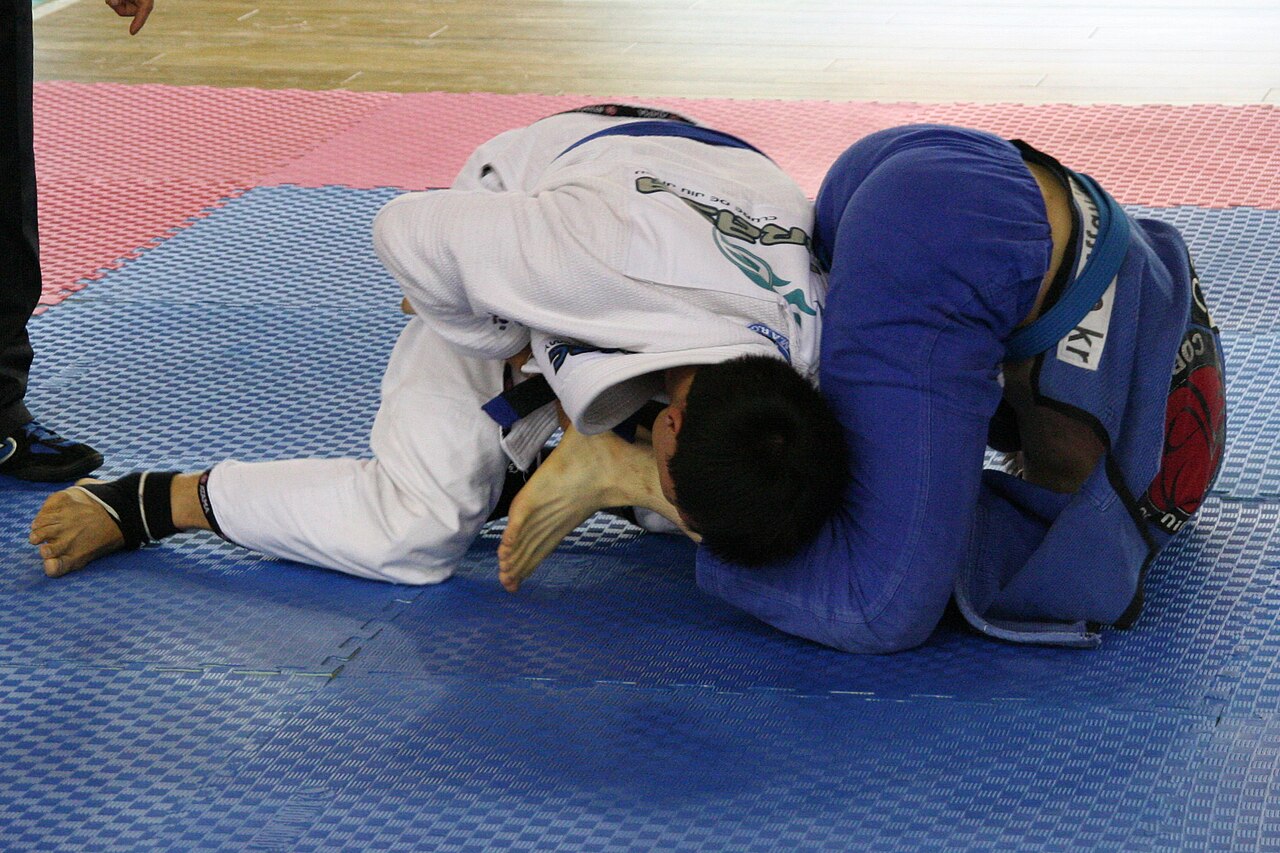
Gi training involves wearing the traditional uniform, a thick woven jacket and pants made from cotton, tied with a colored belt. The gi is used for gripping, choking, and controlling your opponent. It is the classic image of martial arts you have seen in movies.
No-gi training strips away the uniform. Instead, practitioners wear a fitted rash guard and shorts (or spats). Without grips from the gi, no-gi is faster-paced and more wrestling-like. It is popular for MMA cross-training and during the summer months.
For your first class: Ask the gym which style the beginner class uses. Many Texas BJJ schools run gi classes for fundamentals, so that is the most likely scenario. If they say no-gi or grappling, you will need rash guard gear instead. When in doubt, the gym can almost always loan you a gi for a trial session, just call ahead.
The Gi: What You Need for Traditional BJJ Class
If you are attending a gi class, here is the breakdown of what to wear:
- The gi (kimono): A jacket and pants set. For your first class, you can usually borrow one from the gym. If buying your own, starter gis from brands like Fuji, Sanabul, or Hayabusa cost 0 to 20 and come in white or blue.
- Rash guard underneath: Worn under the gi jacket to prevent mat burn and wick sweat. Any fitted athletic shirt works for beginners.
- Compression shorts or briefs: Wear these under the gi pants. Avoid loose boxer shorts, they will bunch up uncomfortably during grappling.
- Belt: If you are brand new, you will start as a white belt. The gym provides one if you borrow a gi. Once you buy your own gi, a white belt is typically included.
Important fit tip: A properly fitted gi should be snug but not restrictive. Overly baggy gis give your training partners more material to grip, which puts you at a disadvantage. When buying your first gi, follow the manufacturer sizing chart, BJJ gis use a specific sizing system (A0 through A6 for men, and a separate F-series for women).
No-Gi Gear: What to Wear When There Is No Gi
If your beginner class is no-gi, the wardrobe is actually simpler and more affordable. Here is your checklist:
- Rash guard: A tight-fitting synthetic athletic shirt. Board shorts with drawstrings do not count, you need a proper rash guard that will not ride up during grappling. Brands like Tatami, Sanabul, and RVCA sell them for 5 to 0.
- Grappling shorts (fight shorts): Shorts designed for BJJ, no pockets, no zippers, no metal hardware. They should have a flexible waistband and sit above the knee. Expect to pay 0 to 0.
- Spats (optional): Full-length compression leggings worn under or instead of shorts. Popular for cold mornings and for preventing mat burn on the legs.
- Compression underwear: Always worn underneath. No exceptions.
The golden rule of no-gi: Nothing loose, nothing with pockets, and nothing with metal. Your training partners will be sliding across your body, loose clothing causes fingers to get caught, and pockets become finger traps. Stick to fitted, smooth fabrics.
What NOT to Wear: Common Beginner Mistakes
Just as important as knowing what to wear is knowing what to leave at home. These items are banned on most BJJ mats for safety and hygiene reasons:
- Any jewelry: Rings, earrings, necklaces, watches, all must come off. They can snag, cut, or be damaged. If you cannot remove a ring, use athletic tape to cover it.
- Loose t-shirts or tank tops: In no-gi, loose shirts get twisted and tangled. In gi class, a loose shirt under the jacket can be ripped during training.
- Shorts with pockets, zippers, or buttons: These scratch training partners and snag on the gi fabric. Gym shorts are a no-go.
- Untrimmed finger and toe nails: Long nails cause scratches, the most common injury in BJJ. Trim them short before class.
- Strong cologne, perfume, or body lotion: Scents transfer to your training partners and the gi. Train clean.
- Dirty or unwashed gi: If you own a gi, wash it after every single session. A smelly gi will get you banned from the gym faster than anything else.
Hygiene Essentials: The Unwritten Rules of the Mats
Beyond clothing, there is a hygiene protocol every BJJ practitioner follows. This is not optional, it is about keeping everyone healthy and preventing the spread of skin infections like ringworm and staph:
- Shower immediately after class. Use an antibacterial soap (like Defense Soap). Do not wait until you get home.
- Wash your gi after every session. Never rewear a gi without washing it. Have a backup gi if you train twice a day.
- Never train with an open cut. Cover any cuts or abrasions with athletic tape or a bandage before stepping on the mat.
- Wear flip-flops off the mat. Bare feet on the bathroom floor, then bare feet on the mat, spreads bacteria. Wear slides or flip-flops whenever you are off the training area.
These rules are not about being uptight, they are about respect for your training partners and the gym community. Following them from day one signals that you take training seriously, which earns respect from coaches and higher belts.
Your First Class Checklist: Pack This Bag
Here is a simple packing list so you arrive fully prepared:
- Gi (or borrow from gym) OR rash guard and grappling shorts (for no-gi)
- Rash guard to wear under the gi
- Compression shorts or briefs
- Mouthguard (recommended if you have one)
- Water bottle
- Flip-flops or slides for off-mat areas
- Towel (you will sweat, a lot)
- Change of clothes for after class
Conclusion: Show Up Ready to Learn
Walking into your first Brazilian Jiu-Jitsu class does not require a massive wardrobe investment. If you are doing gi training, borrow one from the gym, most Texas BJJ academies are happy to set you up for a trial class. For no-gi, a fitted rash guard and proper grappling shorts will run you about 0 to 0 total, and they will last years.
The three things to remember: nothing loose, nothing with metal, and wash everything after every class. Get those right, and you will fit right in from day one. BJJ is one of the most welcoming communities you will find, nobody expects a white belt to show up perfectly equipped. They just want you on the mats, ready to learn. Ready to find your gym? Browse our directory of BJJ schools across Texas and start training this week.
Frequently Asked Questions
Q: Do I need to buy a gi before my first BJJ class?
No. Most Brazilian Jiu-Jitsu gyms in Texas will lend or rent you a gi for your trial class. Call ahead and ask. If you decide to keep training, a starter gi costs 0 to 20.
Q: Can I wear a regular t-shirt and shorts to no-gi class?
No. Regular t-shirts are too loose and will ride up, and gym shorts have pockets and metal that can injure training partners. You need a fitted rash guard and grappling shorts with no pockets or zippers.
Q: How much does it cost to get started with BJJ gear?
For no-gi training, expect to spend 0 to 0 for a rash guard and grappling shorts. For gi training, a starter gi with belt costs 0 to 20. Most beginners in Texas pay 0 to 30 total for their first full setup.
Comments