
Walk into any combat sports gym in Texas and you will eventually hear the same debate: Krav Maga vs MMA, which one actually works when it matters? One is a military-born self defense system designed for street violence. The other is the most pressure-tested combat sport on the planet, refined against live opponents for decades. If you are choosing your first gym in Houston, Dallas, or anywhere else in Texas, the honest answer depends on what real world effectiveness means to you. In this guide, we break down what Krav Maga and MMA each teach, how their training methods differ, and where each system genuinely shines. By the end, you will know which path fits your goals, your schedule, and the situations you are actually preparing for — and how to evaluate the gyms near you, because gym quality matters more than the style name on the door.
Krav Maga vs MMA: What Each System Actually Teaches
Krav Maga was developed for the Israeli military, and every detail of the system reflects that origin. It assumes you are attacked by surprise, possibly by someone bigger, possibly by several attackers, possibly with a weapon. Training focuses on aggressive counters to common street attacks — chokes, bear hugs, headlocks, and grabs — combined with strikes to high-value targets like the eyes, throat, and groin. The goal is never to win a fight. The goal is to create an escape window and take it immediately.
MMA is a sport, and that is exactly why it works so well. A modern mixed martial arts gym blends boxing, Muay Thai, wrestling, and Brazilian Jiu-Jitsu into a single system that has been tested through millions of live rounds. You learn to strike, clinch, take down, and grapple against an opponent who is fully resisting. Nothing stays in the curriculum unless it survives contact with someone genuinely trying to beat you.
That core difference — military self defense versus pressure-tested sport — drives every other difference between the two, from class structure to the kind of confidence you build.
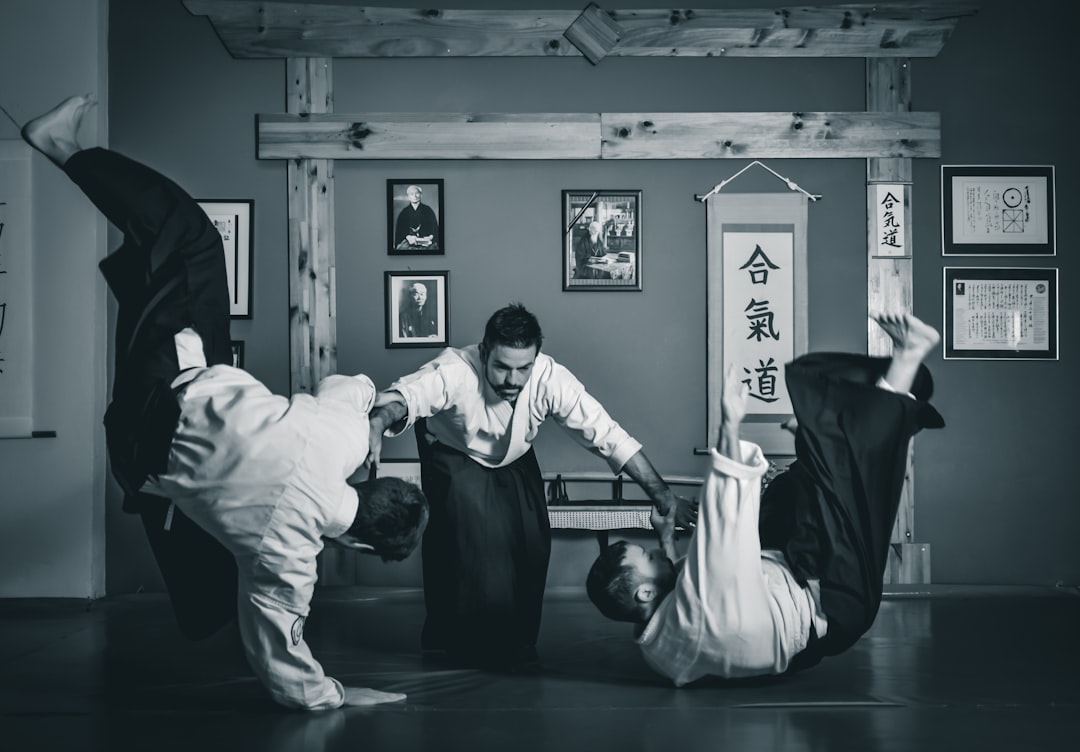
How Krav Maga and MMA Gyms Train You Differently
The biggest practical difference is live resistance. In an MMA gym, sparring is the backbone of training. Within your first few months you grapple against partners giving full resistance, and as you progress you strike with training partners throwing real, controlled shots. You learn what adrenaline feels like, how to keep thinking while someone hits back, and which techniques hold up under pressure.
Krav Maga classes lean on scenario drilling instead. A partner plays the attacker, and you rehearse the response at rising intensity. Good schools add stress inoculation — fatigue, surprise, shouting — and many now include sparring nights. But quality varies enormously from gym to gym, because there is no competition circuit forcing every technique to prove itself the way the MMA rule set does.
That is not a flaw in Krav Maga. You simply cannot safely drill full-force strikes to the eyes or throat against a resisting partner. As a beginner, your job is to visit gyms and ask one question: how much of class happens against live resistance? The answer tells you most of what you need to know.
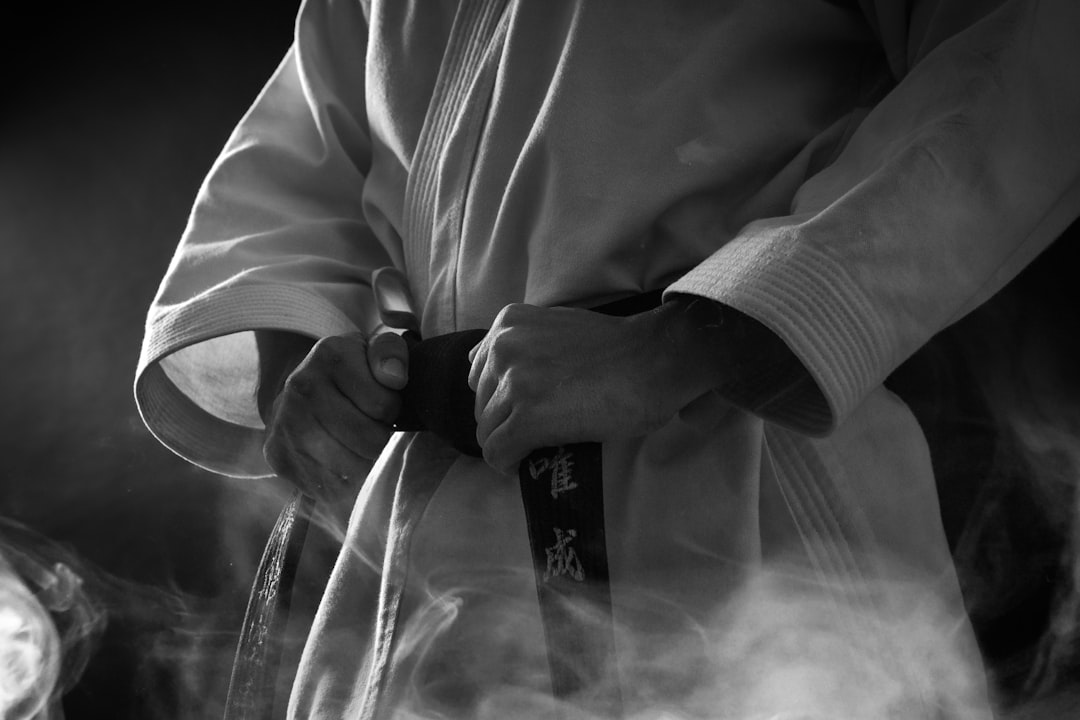
Real World Effectiveness: The Honest Verdict
Real violence includes ambushes, weapons, multiple attackers, and no referee. Krav Maga was engineered around exactly these problems. Weapon defenses, situational awareness, and an escape-first mindset are real strengths, and no standard MMA class will teach you how to react when a blade appears or when a second attacker joins.
But narrow the situation to a one-on-one, unarmed confrontation, and the evidence flips hard toward MMA. A trained MMA athlete brings proven conditioning, tested composure, distance management, and control of where the fight happens, standing or on the ground. These skills are demonstrated nightly against fully resisting opponents who are also trained.
So the honest verdict on Krav Maga vs MMA: for an unplanned one-on-one fight, the MMA athlete’s evidence base is unmatched. For messier scenarios involving weapons or groups, Krav Maga trains problems that MMA does not address — though no martial art makes you invincible. Awareness, de-escalation, and simply running remain the most effective techniques ever invented.
Which One Should You Start With in Texas?
Choose by goal. If you want competition, serious fitness, and skills proven in live sparring, an MMA gym is the clear pick, and Texas has one of the deepest MMA scenes in the country. If your priority is practical self defense on a limited schedule — awareness, escapes, weapon responses — a quality Krav Maga program delivers real value in a short time frame.
Before you commit, trial both. Nearly every gym in Texas offers a free intro class. When you visit, watch the sparring, notice how many students stay after class, and ask how instructors pressure-test what they teach. Gym culture predicts whether you will still be training in a year far better than the style name on the window.
The CombatTX directory makes comparison easy. Browse self defense schools and mixed martial arts gyms across the state, or start with a local guide like Houston combat sports or Dallas combat sports to see what trains near you.
The Bottom Line on Krav Maga vs MMA
Three takeaways. First, MMA remains the most pressure-tested way to build unarmed fighting skill, period. Second, Krav Maga covers scenarios — weapons, multiple attackers, ambushes — that sport training ignores. Third, the gym you actually attend beats the style you theoretically chose. Pick three gyms near you in the CombatTX directory, book trial classes this week, and let the training answer the debate for you.
Frequently Asked Questions
Q: Is Krav Maga better than MMA for street self defense?
A: Krav Maga trains weapon defense and multiple-attacker scenarios that MMA does not cover, which matters in real street violence. However, MMA’s constant live sparring builds fighting skill with a far stronger evidence base for one-on-one situations. The best choice is a high-quality gym in either style — compare options in the CombatTX directory.
Q: Can an MMA fighter beat a Krav Maga practitioner in a street fight?
A: In a one-on-one, unarmed encounter, the MMA athlete’s experience against full resistance usually gives a decisive advantage. Real street fights are unpredictable, though — weapons, extra attackers, and ambushes can erase any skill gap quickly.
Q: Is Krav Maga or MMA better for beginners?
A: Both are beginner-friendly, so the better question is which matches your goals. Choose MMA for fitness, competition, and proven fighting skills; choose Krav Maga for fast, practical self defense with less emphasis on sport sparring. Trial classes at both types of gyms make the decision obvious.
Comments