
Learning how to wrap hands for boxing is the first skill every new boxer masters — before the jab, before footwork, before your first round on the heavy bag. A proper wrap stabilizes the twenty-seven small bones in each hand, cushions your knuckles, and locks your wrist in line so a misplaced punch becomes a bruise instead of a fracture. Walk into any boxing gym in Texas and you will see the same ritual: experienced fighters spend five quiet minutes wrapping before every session, treating it as part of the warm-up rather than a chore. The technique is simpler than it looks. Once you understand the basic pattern — wrist, knuckles, between the fingers, wrist again — you can wrap both hands in under five minutes and train with confidence. This guide covers why wrapping matters, what you need, and a step-by-step method you can follow today, plus the mistakes most beginners make on their first attempt.
Hand Wraps We Recommend
CombatTX is reader-supported. When you buy through links on our site, we may earn an affiliate commission at no extra cost to you. As an Amazon Associate, CombatTX earns from qualifying purchases.


Why Hand Wraps Matter More Than You Think
Your hand is a collection of twenty-seven small bones, and punching is one of the most repetitive impacts in all of sport. Every punch you throw transfers force from your shoulder through the knuckles and into those small bones. Hand wraps do two jobs at once: they compress the bones of the hand into a single stable unit so they move as one, and they support the wrist so it cannot fold on impact. Without wraps, the most common injuries are a boxer’s fracture (a break at the knuckle), sprained wrists, and torn skin over the knuckles — any of which can sideline you for weeks. With wraps, the same training volume becomes dramatically safer. That is why coaches at every serious gym, from Houston combat sports gyms to boxing gyms in Dallas, will not let students touch a bag without them.
What You Need Before You Wrap Your Hands
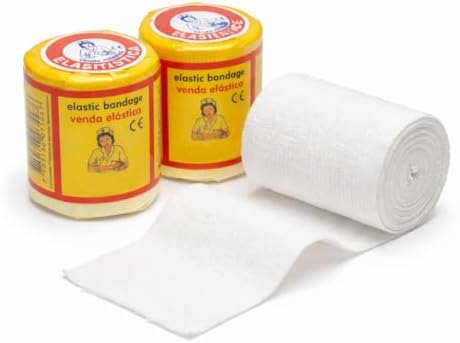
You only need two things, and neither is expensive. First, a pair of hand wraps. The standard training length is 180 inches; shorter 120-inch wraps work for smaller hands but leave less material for wrist support. Mexican-style wraps are semi-elastic, so they contour to your hand, while traditional cotton wraps hold their shape and are easier to learn with. Second, clean, dry hands — wrapping over sweaty skin lets the wrap slide and loosen mid-round. If you are still building your kit, see our recommended hand wraps near the top of this guide. Quick wraps (slip-on gel guards) exist, but most coaches treat them as a backup, not a replacement for learning the real thing.
How to Wrap Hands for Boxing: The Step-by-Step Method
This is the classic method taught in most boxing gyms. Run through it once slowly in front of a mirror, and it becomes muscle memory within a week.
- Hook the loop over your thumb with the wrap rolling away from your body, then circle your wrist three times — snug, not tight.
- Cross up over the back of your hand and circle your palm once, just below the knuckles.
- Wrap your knuckles three times, keeping your fingers spread as the wrap goes around.
- Cross back down over the back of the hand to the wrist and wrap once — this anchors the knuckle section.
- Return to the knuckles and feed the wrap between your index and middle finger, then across the back of the hand to the wrist.
- Repeat between the middle and ring finger, then between the ring and pinky finger, crossing the back of the hand each time.
- After the third finger split, circle the knuckles once more to lock everything down.
- Finish with two or three wraps around the wrist and secure the Velcro.
- Clench a fist and check the fit: it should feel like a firm glove. Your fingertips should stay pink and you should still be able to spread your fingers.
- If anything pinches, unwrap and redo it — a wrap that hurts at rest will hurt far more inside a glove.
Common Hand Wrapping Mistakes to Avoid
Most wrapping problems come down to tension and direction. These are the five errors coaches correct most often:
- Wrapping too tight. Numb or white fingertips mean the wrap is cutting circulation. Unwrap and start over with less pull.
- Wrapping too loose. If the wrap slides when you roll a fist, it will bunch inside your glove and rub blisters.
- Ignoring the wrist. The knuckles get all the attention, but the wrist is where most beginner injuries actually happen.
- Wrapping over the thumb joint. Wrap around the base of the thumb, never across the joint itself.
- Reusing sweaty wraps. Bacteria and odor build fast — wash wraps after every session and let them air dry completely.
If you want your wraps checked by a human, any coach at a martial arts school near you will happily correct your technique — wrapping is one of the first things they teach new students.
Wrap Up, Then Show Up
Hand wrapping is five minutes that protect the next five years of your training. Remember the three anchors: a stable wrist, compressed knuckles, and a snug — never tight — fit that still lets you spread your fingers. Learn it once, slowly, and it becomes automatic. When you are ready to put those wrapped hands to work, browse the boxing gyms in our directory, check city guides like our San Antonio combat sports guide, and find a gym where a coach can check your wraps in person. And if you run a gym, you can list your gym on CombatTX for free.
Frequently Asked Questions About Hand Wrapping
How tight should boxing hand wraps be?
Wraps should feel like a firm, supportive glove. You should be able to spread your fingers and make a fist without pinching, and your fingertips should stay a normal color. Numbness or white skin means the wrap is too tight — unwrap and redo it.
How long should hand wraps be for boxing?
180 inches is the standard for adults and gives enough material for wrist support, knuckle protection, and finger splits. Smaller hands can use 120-inch wraps, but most coaches recommend learning on 180s so you never run short.
Do I need hand wraps for heavy bag work?
Yes. Bag work is exactly where wraps matter most, because the same impact repeats hundreds of times per round. Gloves cushion the punch, but they do not stabilize the small bones of the hand — that is the wrap’s job.
Comments