
Wrestling Gear Essentials
CombatTX is reader-supported. When you buy through links on our site, we may earn an affiliate commission at no extra cost to you. As an Amazon Associate, CombatTX earns from qualifying purchases.


Where to Train Wrestling in Texas: A 2026 Guide
Wrestling is one of the oldest and most foundational combat sports, and Texas has been quietly building a reputation as a powerhouse for the discipline. Whether you are a parent looking for a youth wrestling program for your child, a high school athlete seeking off-season training, or an adult wanting to learn the grappling fundamentals that form the backbone of mixed martial arts, the Lone Star State offers wrestling training at every level. From folkstyle programs rooted in the Texas school system to freestyle and Greco-Roman clubs affiliated with USA Wrestling, the options span every major city. This guide breaks down where to train wrestling in Texas, what to look for in a program, and how to choose the right gym for your goals and experience level. You can also browse wrestling schools on CombatTX to find facilities near you.
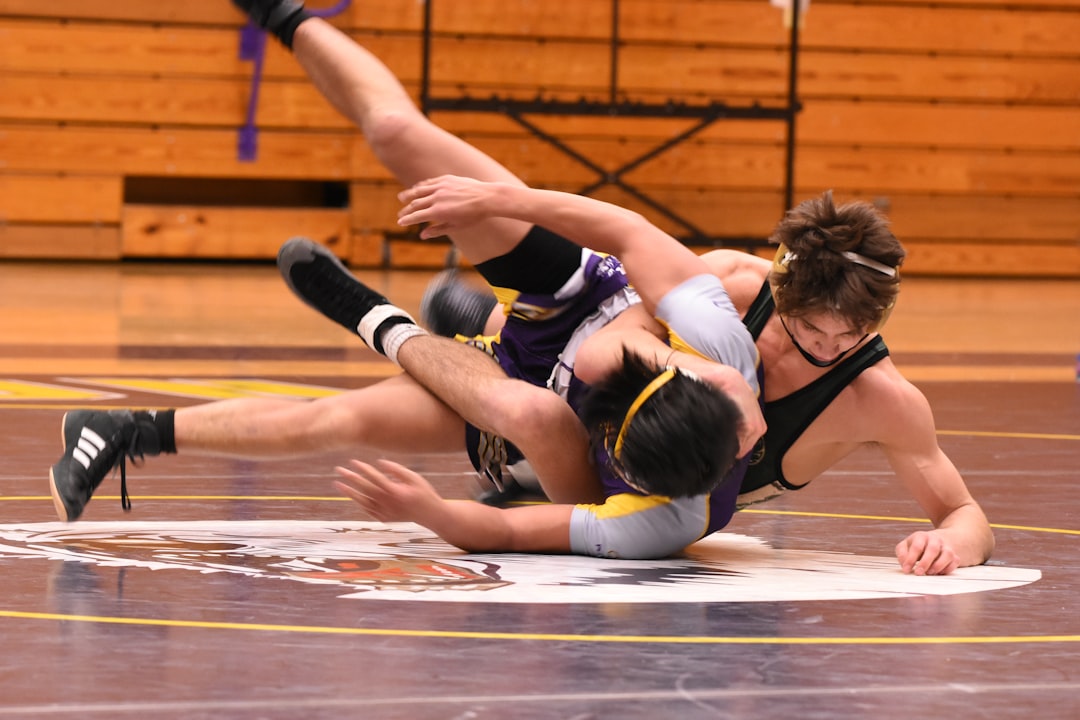
Why Wrestling Training Matters in Texas
Texas has historically been better known for football than for wrestling, but that landscape has shifted dramatically. The University Interscholastic League (UIL) sanctions wrestling as a championship sport, and participation numbers have grown steadily over the past decade. According to the National Federation of State High School Associations, Texas has one of the fastest-growing high school wrestling participation rates in the country. That growth has created demand for year-round training facilities, not just school-season programs.
Wrestling is also the single most important foundational discipline for anyone interested in MMA. The ability to dictate whether a fight stays standing or goes to the ground — the takedown game — is what separates elite mixed martial artists from the rest. Many of the top MMA gyms in Texas employ dedicated wrestling coaches precisely because of this advantage. Even if you never plan to compete in a cage, the conditioning, balance, body awareness, and mental toughness developed through wrestling translate to every other combat sport.
For parents, youth wrestling offers structure, discipline, and a team environment that builds character. Most clubs in Texas start accepting kids as young as five or six, with age-appropriate drilling and games that introduce positions before any live competition.
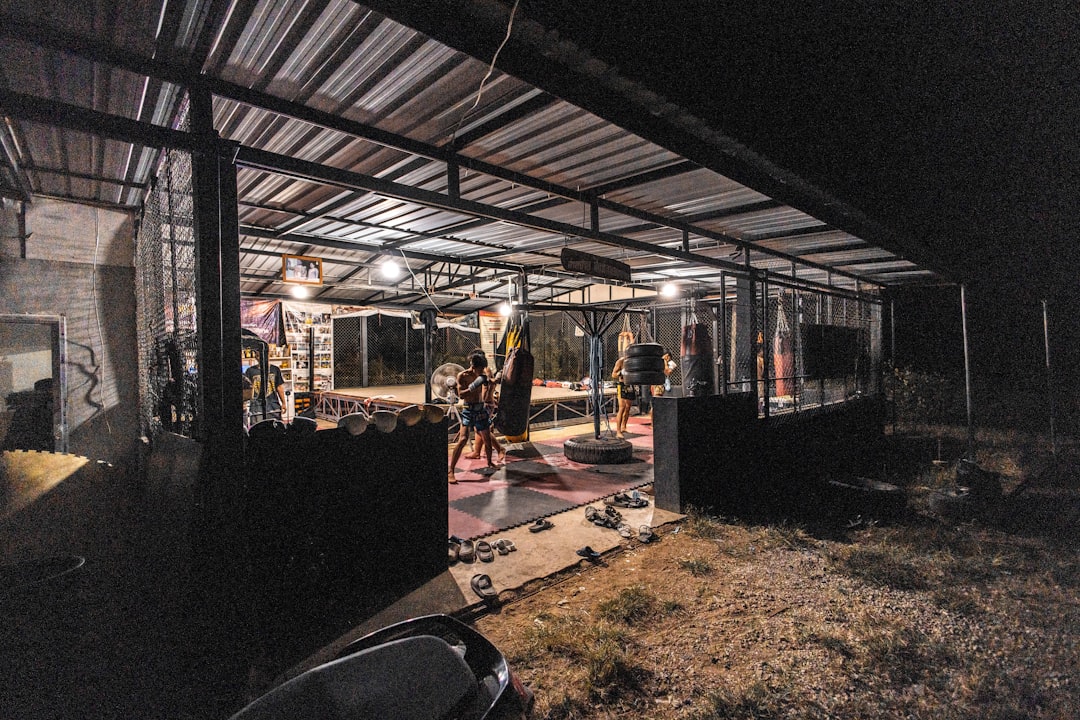
Types of Wrestling Programs Available in Texas
Before choosing a gym, it helps to understand the three main styles of wrestling you will encounter:
- Folkstyle (Scholastic): The style used in American high school and college wrestling. Emphasizes control and riding time. This is what most Texas school programs teach.
- Freestyle: An Olympic style focused on explosive takedowns and back exposure. Points are awarded for throws and high-amplitude moves. Many Texas clubs add freestyle sessions in the spring and summer.
- Greco-Roman: Another Olympic style that forbids holds below the waist. All throws and clinch work happen from the upper body. Less common in Texas but available at select clubs.
Most clubs in Texas focus on folkstyle during the school season (November–February) and transition to freestyle in the off-season. If your goal is self-defense or MMA, a gym that teaches freestyle takedowns alongside folkstyle fundamentals will give you the most well-rounded skill set.
Where to Train Wrestling in Major Texas Cities
Houston
Houston has a strong wrestling scene thanks to its large school district programs and several private clubs. The Houston combat sports scene includes dedicated wrestling rooms within MMA gyms, as well as stand-alone clubs affiliated with USA Wrestling. Look for programs that offer open mat sessions if you are an adult beginner — many school-affiliated clubs are youth-only.
Dallas–Fort Worth
The DFW metroplex has one of the most competitive wrestling regions in the state, with strong programs at the high school level feeding into club teams. Whether you are in Dallas or Fort Worth, you will find clubs offering youth folkstyle, high school off-season training, and adult beginner classes. Several DFW MMA gyms also have wrestling-for-MMA programs that teach takedown offense and defense in a no-gi context.
Austin and San Antonio
Austin’s wrestling community is growing rapidly, with several clubs offering year-round training for all ages. The Austin combat sports landscape blends wrestling with BJJ and MMA, making it easy to cross-train. San Antonio similarly has a mix of school programs and private clubs, particularly strong in the youth divisions. Check San Antonio combat sports for facility listings.
What to Look for in a Wrestling Gym
Not every wrestling program is the right fit. Here are the key factors to evaluate when choosing where to train:
- Coaching credentials: Look for coaches with competitive backgrounds (college wrestling, USA Wrestling certification) or coaching experience at the high school or collegiate level.
- Mat space and cleanliness: Wrestling involves constant skin contact. A clean facility with adequate mat space is non-negotiable. Ask about their daily mat-cleaning protocol.
- Age and skill structure: The best programs separate kids, teens, and adults into distinct classes. You do not want a 30-year-old beginner drilling with a 7-year-old.
- Competition pathway: If you or your child want to compete, ask whether the club enters USA Wrestling tournaments or UIL regional events.
- Trial options: Reputable clubs offer a free or low-cost trial class. Take advantage of this before committing.
For adults specifically, look for a gym that offers a dedicated beginner or fundamentals class. Wrestling has a steep learning curve, and jumping straight into live wrestling with experienced athletes can be frustrating and injury-prone. Programs that emphasize drilling, positional sparring, and conditioning before live competition will keep you safer and more motivated.
How Much Does Wrestling Training Cost in Texas?
Wrestling is generally one of the more affordable combat sports to train in, partly because many programs are run through schools or nonprofit clubs. Youth club dues typically range from $50 to $120 per month, often with a USA Wrestling membership fee of around $45 per year. Private MMA gym wrestling programs tend to be pricier — expect $100 to $180 per month — but they often include access to other disciplines like BJJ and boxing.
Some clubs charge per season rather than monthly. A full folkstyle season (November through February) might cost $200 to $400 total, which works out to roughly $50–$100 per month. Off-season freestyle clubs often have separate seasonal fees. Always ask about hidden costs: tournament entry fees, singlets, headgear, and travel expenses can add up quickly for competitive wrestlers.
Conclusion
Wrestling in Texas has grown from a niche school sport into a thriving year-round training ecosystem spanning every major city. Whether you are a parent seeking a youth program, a teen chasing a state title, or an adult looking to add takedown skills to your MMA or BJJ game, the right gym is out there. Focus on coaching quality, cleanliness, and a structure that matches your experience level — and do not be afraid to try two or three clubs before committing. Ready to find a wrestling gym near you? Browse wrestling schools on CombatTX or explore our full blog for more combat sports guides.
Frequently Asked Questions
Is wrestling popular in Texas?
Yes. Texas is one of the fastest-growing states for high school wrestling participation, with UIL-sanctioned championships and a strong network of USA Wrestling-affiliated clubs. Major cities like Houston, Dallas, Austin, and San Antonio all have multiple wrestling facilities offering year-round training for all ages.
What age should my child start wrestling?
Most Texas wrestling clubs accept children as young as five or six, though the ideal starting age is typically seven to nine. At young ages, programs focus on fun, coordination, and basic positions rather than competition. Starting early gives kids a head start on the balance and body awareness that wrestling demands.
Can adults learn wrestling in Texas?
Absolutely. Many MMA gyms in Texas offer wrestling-for-adults classes that teach takedowns, positioning, and scrambling without requiring any prior experience. These programs are popular among BJJ practitioners and self-defense students who want to round out their grappling game. Browse CombatTX to find adult-friendly wrestling programs near you.
Comments