
When most people think about martial arts, they picture physical feats — powerful punches, lightning-fast kicks, and grueling conditioning. But ask anyone who has trained for more than a few months, and they will tell you the mental benefits of martial arts changed their life far more than the physical ones. Training in boxing, Brazilian Jiu-Jitsu, Muay Thai, or any combat discipline reshapes how you think, how you handle stress, and how you carry yourself in every area of life. In Texas, where the combat sports community is growing rapidly across cities like Houston, Austin, and Dallas, thousands of practitioners are discovering that the mat is as much a mental gym as a physical one. In this guide, we will break down the science-backed mental benefits of martial arts training and explain why stepping onto the mat could be the best decision you ever make for your mind.
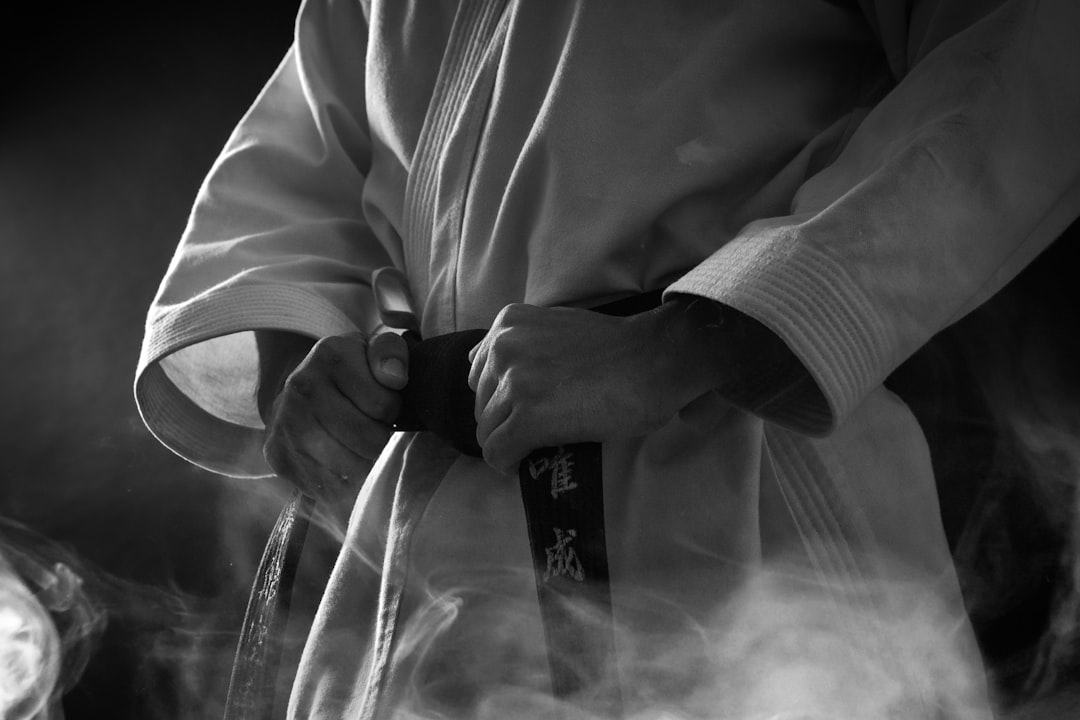
Stress Relief: How Martial Arts Melts Away Daily Pressure
One of the most immediate mental benefits of martial arts training is profound stress relief. When you step onto the mat, the outside world disappears. You cannot worry about your job, your bills, or your inbox when someone is trying to sweep you in BJJ or counter your jab in boxing. This forced presence — sometimes called flow state — gives your nervous system a break from the chronic stress loop that plagues modern life.
The science backs this up. A 2019 study published in the journal Psychology of Sport and Exercise found that martial arts practitioners had significantly lower levels of perceived stress and anxiety compared to non-practitioners. The combination of intense physical exertion, deep breathing, and focused attention triggers a cascade of neurochemical benefits:
- Endorphin release — natural mood elevators that combat depression and anxiety
- Reduced cortisol — the stress hormone drops sharply after intense training sessions
- Improved sleep quality — physical exhaustion promotes deeper, more restorative rest
- Social connection — training partners become a support network that fights isolation
For busy professionals in cities like Houston and San Antonio, a one-hour boxing or Muay Thai class after work can be more effective at decompressing than any meditation app. You leave the gym physically tired but mentally clear, and that clarity carries into the next day.

Focus, Discipline, and Mental Toughness on the Mat
Martial arts is a masterclass in mental toughness. Every discipline demands sustained concentration — whether you are memorizing a BJJ sequence, reacting to a sparring partner’s feint, or pushing through the fatigue of round five on the heavy bag. This kind of focused, repetitive training literally rewires your brain for better attention control.
Here is what happens mentally when you train consistently:
- Sustained attention improves — you learn to stay present for extended periods without distraction
- Emotional regulation strengthens — getting tapped out or losing a sparring round teaches you to stay calm under pressure
- Goal-setting becomes habitual — belt systems and competition goals train your brain to pursue long-term rewards
- Resilience compounds — every time you show up after a hard roll or a tough loss, you build grit that transfers to work and relationships
This is why martial arts is increasingly recommended by therapists and counselors as a complement to traditional mental health treatment. The discipline you build on the mat — showing up consistently, respecting your training partners, accepting feedback from coaches — naturally extends into your personal and professional life. If you are looking for a gym in Texas to start building that discipline, browse our directory of boxing gyms, BJJ schools, and Muay Thai gyms.
Confidence and Self-Efficacy: The Hidden Power of Combat Training
Perhaps no mental benefit of martial arts is more transformative than the boost in self-confidence. This is not the loud, bragging confidence of someone who has never been tested. It is the quiet, earned confidence of someone who has been pushed to their limits and survived — who has faced a bigger, stronger opponent and found a way to win, or lost and come back the next day.
Psychologists call this self-efficacy — the belief in your ability to accomplish tasks and overcome challenges. Every martial arts class is a series of small victories that build this belief: mastering a new technique, surviving a hard sparring round, earning a stripe or belt, helping a newer student learn a move. These wins compound over weeks and months into an unshakable sense of capability.
For adults who have never been in a physical confrontation, knowing you can defend yourself if needed eliminates a low-level anxiety that many people carry without realizing it. For kids and teens, the confidence built through martial arts is even more critical — it reduces bullying, improves academic performance, and sets the foundation for a lifetime of healthy self-esteem.
Conclusion
The mental benefits of martial arts training are real, measurable, and accessible to anyone willing to step onto the mat. From dramatic stress reduction and improved focus to unshakeable confidence and emotional resilience, combat sports training offers a holistic mental health boost that no app or supplement can match. The key is consistency — show up two or three times a week, trust the process, and within a few months you will notice the changes in how you think, how you feel, and how you handle whatever life throws at you.
Ready to experience these benefits yourself? CombatTX lists hundreds of martial arts schools across Texas — from boxing gyms in Houston to BJJ academies in Austin. Find a gym near you, take that first class, and discover why martial arts is the most effective mental fitness program on earth.
Frequently Asked Questions
Does martial arts help with anxiety and depression?
Yes. Regular martial arts training reduces symptoms of anxiety and depression through a combination of intense physical exercise, forced mindfulness, social connection with training partners, and the confidence that comes from mastering new skills. Many practitioners in Texas report significant mental health improvements within the first two to three months of consistent training.
Which martial art is best for mental health?
There is no single best art for mental health, but Brazilian Jiu-Jitsu is often praised for its problem-solving nature — it feels like physical chess and demands full presence. Boxing and Muay Thai are excellent for stress release through striking. The best martial art for your mind is the one you enjoy enough to practice consistently. Browse gyms on CombatTX to find the right fit.
How often should I train to see mental health benefits?
Most practitioners report noticeable mental health improvements — better mood, reduced stress, improved sleep — after training two to three times per week for four to six weeks. You do not need to be an elite athlete. Even light sessions at a local Texas martial arts gym can deliver significant mental benefits when done consistently.
Related Guides
- CombatTX Blog — more guides on training, gear, and Texas martial arts
- BJJ Gyms in Texas — find a school near you
- Boxing Gyms in Texas — stress-busting striking classes
- Muay Thai Gyms in Texas — the art of eight limbs
- Kids Martial Arts in Texas — confidence-building programs for children
- Combat Sports in Houston — city training guide
- Combat Sports in Austin — city training guide
- Combat Sports in Dallas — city training guide
Comments