
If you’re about to step into a boxing gym for the first time, one of the biggest questions on your mind is probably: what gear do I need for boxing? The good news is that unlike many martial arts that require specialized uniforms, boxing has a relatively short and straightforward equipment list. The even better news is that most beginner-friendly gyms across Texas provide the heavy bags and basic equipment you’ll need, so you’re only responsible for your personal gear. In this guide, we’ll walk through every piece of boxing equipment a beginner needs, explain what each item does, and help you understand what’s worth investing in versus what you can skip or borrow at first. Whether you’re training in Houston, Austin, Dallas, or anywhere else in the Lone Star State, this checklist will have you ready for your first session.
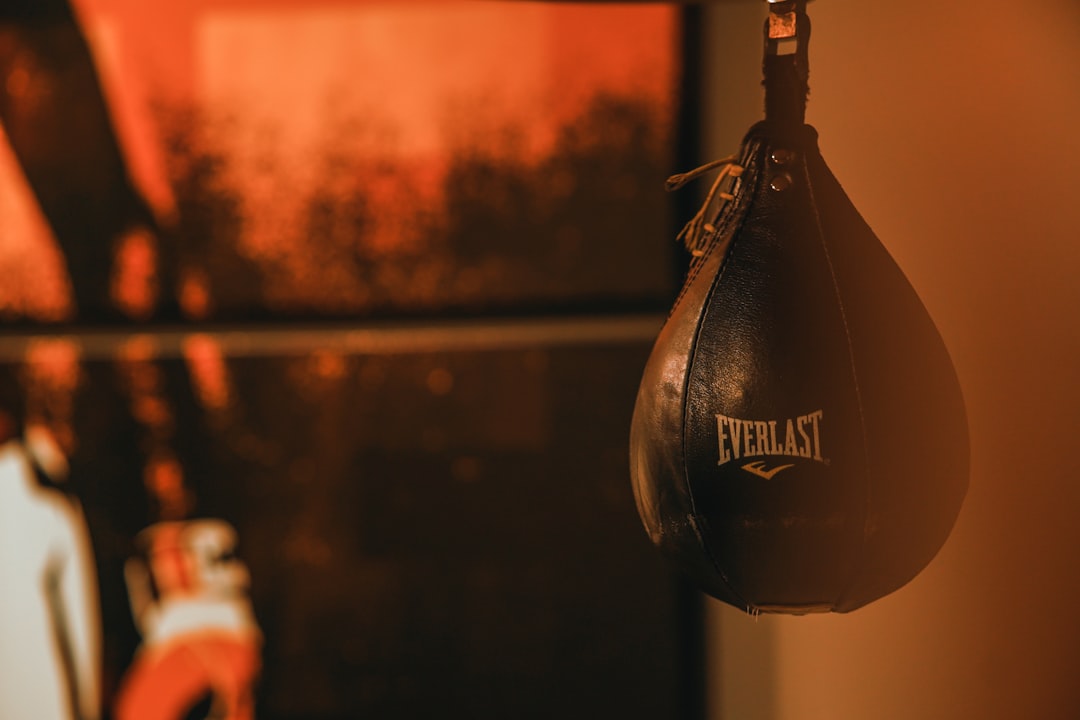
Beginner Boxing Gear Worth Buying
CombatTX is reader-supported. When you buy through links on our site, we may earn an affiliate commission at no extra cost to you. As an Amazon Associate, CombatTX earns from qualifying purchases.


The Essential Boxing Gear Every Beginner Needs
When people ask what gear do I need for boxing, the answer comes down to five core items. These are the pieces you should own before your first real training session, because they protect your body and are typically not loaned out by gyms for hygiene reasons. Let’s break them down one by one.
1. Hand Wraps
Hand wraps are the single most important piece of boxing gear you’ll ever buy. They protect the small bones in your hands, support your wrists, and prevent the kind of injuries that can sideline you for months. When you throw a punch, the impact travels through twenty-seven small bones in your hand — without proper wrapping, those bones shift, bruise, and sometimes fracture. Cotton or semi-elastic wraps measuring 180 inches (also sold as Mexican style) are the standard recommendation for most adults. You’ll need to learn to wrap correctly: start from the knuckles, loop the thumb, support the wrist, and finish with a secure wrap around the wrist. Most boxing coaches in Texas will happily teach you proper wrapping technique during your first session, so don’t stress about getting it perfect at home.
2. Boxing Gloves
Boxing gloves are the iconic piece of equipment, and choosing the right pair matters. For beginners, 16-ounce gloves are the standard recommendation — they provide enough padding for bag work and sparring while being heavy enough to build shoulder endurance. If you have smaller hands or are on the lighter side, 12-ounce gloves can work for bag work, but most coaches prefer 16 ounces for beginners because the extra padding protects both you and your training partners. Look for gloves with good wrist support, a secure Velcro strap (laced gloves are for advanced users), and synthetic leather construction which is durable and affordable. A quality beginner pair runs between $40 and $80, and they’ll last you a year or more of regular training.
3. Mouthguard
A mouthguard is non-negotiable for boxing. Even if you’re only doing bag work and pad drills, accidents happen — a stray elbow during footwork drills, a partner’s glove grazing your face during mitt work. A basic boil-and-bite mouthguard from any sporting goods store costs under $5 and takes five minutes to mold. If you plan to spar, invest in a custom-fitted mouthguard from a dentist (around $100-$200) for maximum protection. Many boxing gyms in Texas require a mouthguard before allowing you to participate in any contact drill, so have one from day one.
Recommended but Optional Boxing Equipment for Beginners
Now that we’ve covered the essentials, let’s talk about the gear that’s helpful but not strictly necessary on day one. As you progress in your boxing journey, you’ll want to start picking these up — but they’re not dealbreakers for your first few weeks.
- Boxing shoes — Specialized shoes with thin, flat soles provide better grip and pivoting ability on the canvas. Regular cross-trainers work fine for beginners, but once you start sparring you’ll want proper boxing shoes for ankle support and traction.
- Jump rope — A staple of boxing conditioning, and having your own means you can warm up properly even when the gym’s ropes are taken. Speed ropes cost $10-$15 and last forever.
- Hand wrap wash bag — A mesh laundry bag that keeps your wraps from tangling in the washing machine. A small convenience that extends wrap life significantly.
- Gym towel — Boxing is a sweaty sport. A small towel keeps sweat out of your eyes and off the equipment.
- Water bottle — Hydration is critical. Most Texas boxing gyms don’t provide cups, so bring a large bottle.
What Boxing Gear You Should NOT Buy as a Beginner
Just as important as knowing what gear you need for boxing is knowing what to skip. Many beginners walk into a sporting goods store, get overwhelmed, and walk out with hundreds of dollars of equipment they’ll never use. Here’s what to hold off on:
- A heavy bag for home — Unless you have a dedicated space and proper mounting hardware, a home bag is a poor investment early on. Train at a gym first to develop technique; bad habits on a home bag are hard to unlearn.
- Focus mitts — These are for the person holding them, not hitting them. Your coach will provide these. Buying your own only makes sense if you plan to train regularly with a partner.
- Headgear — You don’t need headgear until you start sparring, which typically happens after 2-3 months of consistent training. When the time comes, your gym can recommend the right type.
- Multiple glove pairs — One good pair of 16-ounce gloves is plenty for a beginner. Some boxers keep a separate lighter pair (10-12 oz) for bag work, but that’s a refinement for later.
- Expensive custom gear — A $300 pair of gloves won’t make you a better boxer than an $80 pair. Invest in technique, not brand names.
Conclusion: Start Simple, Build Over Time
The answer to what gear do I need for boxing is refreshingly simple: hand wraps, boxing gloves, a mouthguard, comfortable athletic clothing, and proper shoes. That’s it. You can get everything on this list for under $100 total, and it will serve you well through your first several months of training. The key is to focus on fundamentals — learn to wrap properly, develop your jab, master your footwork — rather than accumulating equipment. As you progress, you’ll discover which additional gear suits your training style. Ready to find a gym and put that new gear to use? Browse boxing gyms across Texas on CombatTX and start your training journey today.
Frequently Asked Questions
What size boxing gloves should a beginner buy?
Most coaches recommend 16-ounce gloves for adult beginners. They provide excellent padding for bag work and sparring, and the extra weight helps build shoulder endurance. Youth boxers (under 100 lbs) can start with 12-ounce gloves. Every boxing gym in Texas will confirm that 16 oz is the safest and most versatile starting point.
How much does it cost to get started with boxing gear?
A complete beginner’s boxing gear set — hand wraps, gloves, and a mouthguard — typically costs between $50 and $100 total. Add athletic shoes and clothing you likely already own, and you’re ready to train. CombatTX lists boxing gyms across Texas, many of which offer free trial classes so you can test the waters before committing to gear purchases.
Do boxing gyms provide equipment for beginners?
Most boxing gyms provide heavy bags, speed bags, and focus mitts for all members. However, personal items like hand wraps, gloves, and mouthguards are rarely loaned out for hygiene reasons. Some Texas gyms offer a free or discounted gear starter kit with your first membership, so ask about packages when you find a gym near you.
Comments