
Austin, Texas has quietly become one of the most exciting cities in the country for Brazilian Jiu-Jitsu. Whether you are a white belt stepping onto the mats for the very first time or a seasoned competitor chasing your next medal, the BJJ schools in Austin offer world-class instruction, a tight-knit community, and a training environment that pushes you to grow. From academies rooted in traditional Gracie self-defense to modern competition-focused gyms, the variety here is staggering for a city of this size. The challenge is not finding a place to train — it is finding the right place for your goals, schedule, and budget. That is where this guide comes in. Rather than simply handing you a ranked list, we break down what makes Austin such a magnet for grapplers, what factors should drive your decision, and how to evaluate the best BJJ schools in Austin for your specific situation. By the end, you will know exactly what to look for and where to start your search.
Why Austin Is a BJJ Hotspot
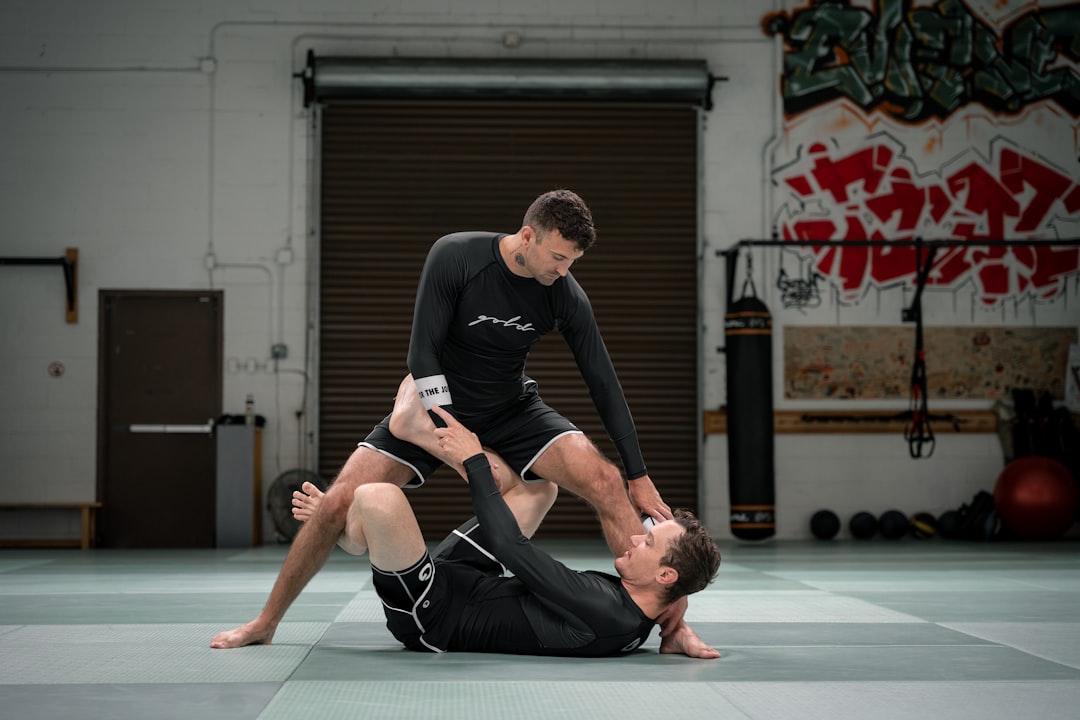
Austin has earned its reputation as a premier destination for martial arts, and Brazilian Jiu-Jitsu is at the center of that growth. The city hosts and attracts competitors from across Texas and beyond, with major tournaments, superfights, and seminars rolling through the area on a regular basis. Whether it is a local IBJJF event or an in-house competition organized by one of the many academies, there is almost always a reason to test your skills against new training partners.
The University of Texas community has played a major role in building this culture. College students, faculty, and alumni bring energy and curiosity to the mats, and several schools offer programs that cater specifically to beginners looking for a welcoming on-ramp. The city’s broader combat sports scene in Austin — which includes MMA, wrestling, and judo — also feeds into the BJJ ecosystem, creating cross-trained athletes who raise the level for everyone.
Beyond competition, Austin’s academies are known for their inclusive, ego-free culture. You will find black belts who started as hobbyists, parents who train alongside their kids, and professionals who use the mats as their primary outlet for stress relief and fitness. The result is a training environment that welcomes newcomers while still producing high-level athletes.
What to Look for in a BJJ School
Not every academy is the right fit for every student, and that is a good thing. The key is knowing which criteria matter most for your situation. Here are the core factors to evaluate when comparing BJJ schools:
- Instructor lineage and credentials: Look for instructors with verifiable lineage and a track record of developing students from white belt to black belt. A clear promotion path and legitimate affiliation with recognized BJJ organizations matters.
- Trial classes and beginner programs: The best schools offer free or low-cost trial classes and structured fundamentals programs. If a gym pressures you to sign a long-term contract before you have even rolled, that is a red flag.
- Class schedule and flexibility: Do they offer morning, noon, and evening classes? Is there open mat on weekends? Your training consistency depends on a schedule that fits your life, not the other way around.
- Atmosphere and culture: Visit during a regular class, not just a trial. Watch how upper belts treat lower belts. A healthy gym is welcoming, safe, and focused on mutual improvement — not dominated by egos or intimidation.
- Facility cleanliness: Mat hygiene is non-negotiable. Clean facilities, regular mat sanitization, and adequate space all signal a school that takes its students’ health seriously. If you are concerned about injury risk, read our guide on whether BJJ is safe for beginners.
Finding the Right Gym for Your Goals
Before you commit to a school, take an honest look at what you want to get out of training. Your goals should drive your decision more than any ranking or reputation, and different academies in Austin specialize in different things.
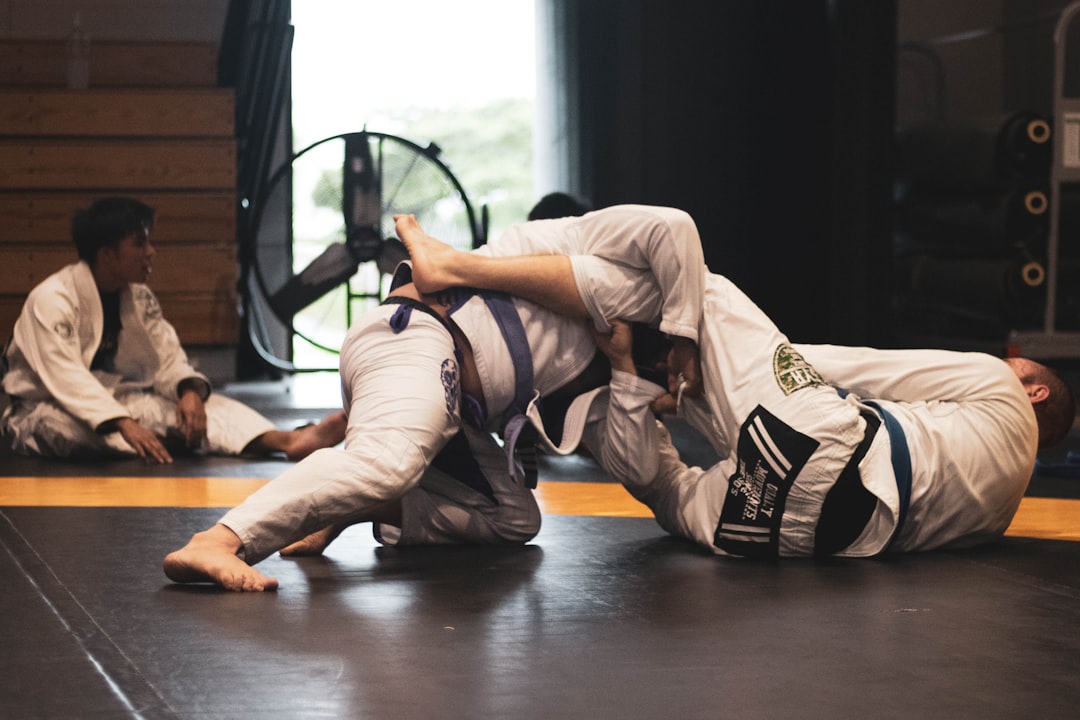
Competition focus. If your dream is to stand on the podium at the IBJJF World Championships or compete in submission-only events like ADCC trials, you need a gym with a proven competition team. Look for academies that regularly send athletes to major tournaments, have active competition classes, and foster an environment where rolling hard is encouraged. These schools tend to have higher-intensity training and may expect more from their members.
Fitness and lifestyle. Many practitioners come to BJJ for the workout, the community, and the mental clarity that comes with grappling. If that sounds like you, prioritize schools with strong fundamentals programs, plenty of daytime classes, and a culture that values consistency over intensity. Austin has several academies that excel at welcoming working professionals, parents, and people who simply want a sustainable training habit.
Self-defense and fundamentals. If your primary interest is real-world self-defense, seek out schools with programs rooted in Gracie or self-defense Jiu-Jitsu. These curriculums typically emphasize situational awareness, positional control, and techniques that work against larger, untrained opponents — skills that competition BJJ does not always prioritize.
Once you know your priority, use the CombatTX BJJ school directory to filter academies by location and compare what each one offers. Most schools will let you schedule a free trial — take advantage of that. Visit at least two or three before making a decision. And if you are new to the sport, our guide on what to wear to your first BJJ class will make sure you show up prepared.
Conclusion
Austin is one of the best cities in Texas — and arguably the country — to train Brazilian Jiu-Jitsu. The quality of instruction, the depth of the community, and the range of training styles available mean there is a perfect academy for everyone, from first-day beginners to world-class competitors. The most important step is simply walking through the door. Use the criteria above to narrow your options, take advantage of free trial classes, and trust your gut about the culture and atmosphere. Ready to find your academy? Browse the full directory of BJJ schools in Austin on CombatTX and start your journey today.
Frequently Asked Questions
How much does BJJ cost in Austin?
Most BJJ schools in Austin charge between $100 and $200 per month for unlimited adult membership, though prices vary based on the academy’s reputation, location, and included programs. Some schools offer discounted rates for students, military, and law enforcement, and many provide free trial classes or drop-in options so you can test the waters before committing. For a detailed breakdown of costs across martial arts, check our guide on how much martial arts training costs in Texas.
Is Austin good for BJJ?
Yes — Austin is widely considered one of the best cities for BJJ in Texas. The area boasts a high concentration of academies with legitimate black-belt instructors, a thriving competition circuit, and a supportive community that spans from hobbyists to professional fighters. Whether you want to compete at the highest level or simply train for fitness and self-defense, you will find quality instruction and training partners in Austin.
What should I wear to my first BJJ class?
For your first class, you typically do not need to buy a gi right away — most schools lend or rent one for beginners. Wear a fitted rash guard or t-shirt and board shorts or athletic leggings without zippers or pockets. Bring water, a towel, and flip-flops for walking off the mats. For a full checklist, see our complete guide on what to wear to your first BJJ class.
Comments