
Choosing the right martial art for your child is one of the most rewarding decisions a parent can make — but with dozens of disciplines available across Texas, it can also feel overwhelming. Should you sign your child up for Brazilian Jiu-Jitsu, Taekwondo, karate, wrestling, or something else entirely? Each martial art develops different skills, from striking and grappling to self-defense and competition. The good news is that there is no single “wrong” choice — but there is a best choice for your child’s personality, goals, and temperament. In this guide, we’ll walk you through the most popular martial arts for kids, what each one teaches, how to evaluate schools in your area, and what questions to ask before committing to a program. By the end, you’ll have a clear framework for choosing the right martial art for your child with confidence.
Kids Starter Gear Parents Trust
CombatTX is reader-supported. When you buy through links on our site, we may earn an affiliate commission at no extra cost to you. As an Amazon Associate, CombatTX earns from qualifying purchases.


Popular Martial Arts for Kids: What Each One Teaches
Every martial art offers unique benefits, and understanding the core focus of each discipline will help you match it to your child’s needs. Here’s a breakdown of the most popular options available at Texas martial arts schools:
- Brazilian Jiu-Jitsu (BJJ): A grappling-based art that teaches ground control, submissions, and leverage. Ideal for smaller kids who want to defend themselves against larger opponents without striking. BJJ builds patience, problem-solving, and resilience.
- Taekwondo: A Korean martial art famous for dynamic kicks and footwork. Taekwondo is structured, belt-driven, and great for kids who thrive on clear progression and discipline.
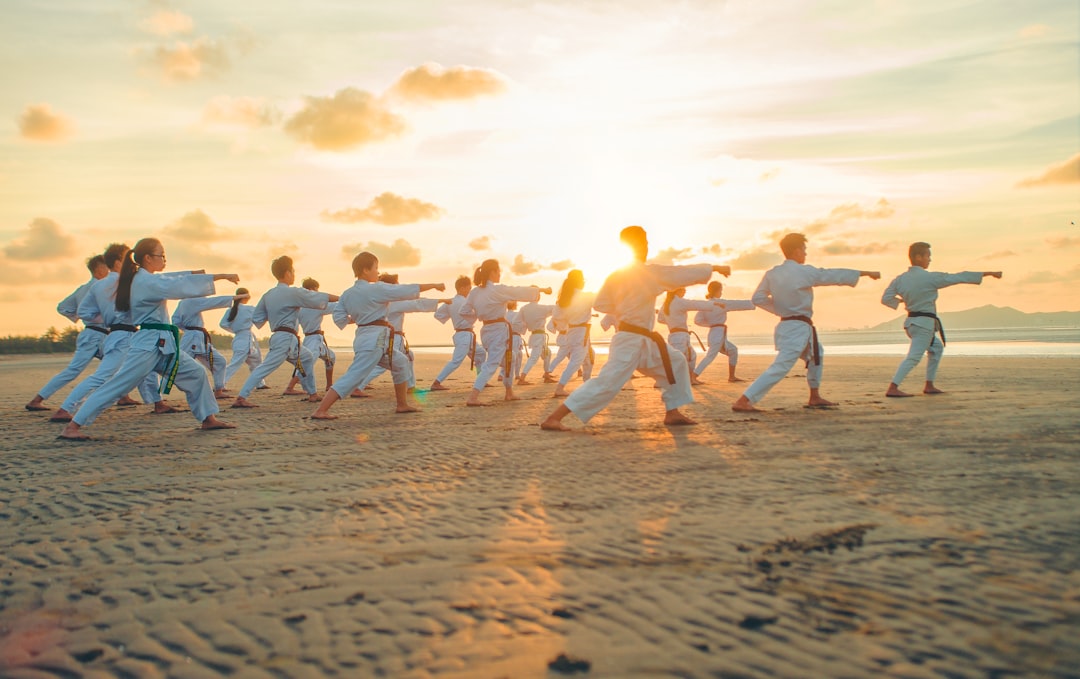
- Karate: A traditional striking art emphasizing punches, blocks, and katas (forms). Karate teaches respect, focus, and self-control — making it excellent for young children developing concentration.
- Wrestling: A competitive grappling sport focused on takedowns and positioning. Wrestling builds explosive power and mental toughness, and is widely available through Texas school programs.
- Muay Thai: Known as the “Art of Eight Limbs,” Muay Thai uses punches, kicks, elbows, and knees. Best suited for older children (8+) who are interested in striking and conditioning.
- MMA (Mixed Martial Arts): Combines striking and grappling from multiple disciplines. Some gyms offer kids’ MMA programs that blend BJJ, wrestling, and kickboxing fundamentals.
For parents who want a structured, traditional environment, karate and Taekwondo schools are excellent starting points. If your child prefers hands-on grappling and problem-solving, BJJ programs tend to be more game-based and engaging for younger kids.
How to Match a Martial Art to Your Child’s Personality
Not every martial art suits every child. Here are practical guidelines to help you decide based on your child’s traits:
- High-energy, always moving: Taekwondo or wrestling — these arts channel energy through dynamic movement and physical exertion.
- Shy or needs confidence: Karate or BJJ — the belt system provides visible milestones, and BJJ’s cooperative training style builds self-esteem gradually.
- Competitive and loves winning: Wrestling or competition-focused BJJ — both offer regular tournament opportunities across Texas.
- Small for their age: BJJ is the clear winner — it was designed so a smaller person can control a larger one using technique over strength.
- Interested in self-defense: BJJ and Muay Thai offer the most practical real-world defense skills, though any martial art builds the awareness and confidence to avoid dangerous situations.
- Very young (ages 3-5): Look for “Little Ninjas” or pre-K programs in karate or Taekwondo — they focus on listening skills, balance, and fun rather than technique.
Most importantly, let your child try a free trial class. Nearly every reputable school in Texas offers at least one complimentary session. Watch how your child responds — do they light up? Are they engaged? That reaction matters more than any recommendation.
What to Look for in a Kids Martial Arts School
Once you’ve narrowed down a martial art, evaluating the school itself is equally critical. A great instructor can make any discipline transformative for your child, while a poor environment can turn them off martial arts entirely. Here’s a checklist for evaluating schools in cities like Houston, Dallas, Austin, and San Antonio:
- Instructor credentials: Look for certified black belts or registered instructors with a verifiable lineage. Ask about their background and teaching experience with children.
- Class structure: Kids’ classes should be age-appropriate (separate groups for 4-6, 7-12, and teens), well-organized, and include both technique and games.
- Safety record: Ask about injury protocols, sparring policies, and whether protective gear is required. A good school prioritizes safety above all else.
- Class size and ratio: Ideally, no more than 10-12 students per instructor. Your child should get individual attention.
- Cleanliness: Mats should be disinfected daily. A clean facility shows the school cares about its students’ health.
- Anti-bullying and character curriculum: The best kids’ programs weave in life skills like respect, discipline, and kindness alongside physical techniques.
- Trial class and observation: Always watch a class before enrolling. Observe how the instructor interacts with kids — are they encouraging? Firm but positive?
You can browse and compare verified kids’ martial arts programs across Texas using the CombatTX kids martial arts directory — each listing includes school details, locations, and categories to help you find the right fit.
Conclusion
Choosing the right martial art for your child doesn’t have to be stressful. Start by considering your child’s personality and what you want them to gain — confidence, discipline, fitness, self-defense, or all of the above. Then, let them try a free class at a school that feels welcoming and professional. The best martial art for your child is the one they’ll stick with, taught by an instructor who makes them excited to come back every week. Texas has an incredible martial arts community with world-class schools in every major city, so you’re sure to find the perfect fit. Ready to explore? Check out the CombatTX directory to find kids’ martial arts schools near you.
Frequently Asked Questions
What age should my child start martial arts?
Most kids can begin martial arts between ages 4 and 6 through specialized “Little Ninjas” or pre-K programs that focus on coordination, listening, and fun. By age 7, children are ready for structured technique training in disciplines like karate, Taekwondo, or BJJ. The best age to start is whenever your child shows interest — there’s no wrong time to begin.
Which martial art is safest for kids?
Brazilian Jiu-Jitsu and Taekwondo are widely considered the safest martial arts for children. BJJ eliminates striking (no punches or kicks to the head), relying on grappling and control instead. Taekwondo is heavily regulated in competition with mandatory protective gear. As with any physical activity, the school’s safety protocols and instructor quality matter most.
How much do kids martial arts classes cost in Texas?
Kids’ martial arts classes in Texas typically cost $100 to $180 per month, depending on the school, location, and discipline. Many schools offer family discounts, multi-child rates, and free trial classes. BJJ and MMA gyms tend to be on the higher end ($130-$180), while traditional karate and Taekwondo schools often range from $100-$150. Use the CombatTX blog for more cost breakdowns and school comparisons.
Comments