
Brazilian Jiu-Jitsu has exploded in popularity across Texas, with dozens of new gyms opening in Houston, Austin, Dallas, and San Antonio. But if you’ve never stepped on a mat, you’re probably wondering: is BJJ safe for beginners? It’s a valid concern. You’ve seen the armbars, the chokes, the twisted limbs — and you’re asking whether your body can handle it.
The short answer is yes. BJJ is one of the safest martial arts you can practice, as long as you train at a reputable gym, follow basic safety protocols, and listen to your body. In this guide, we’ll break down the real injury data, compare BJJ to other combat sports, and give you actionable tips to stay injury-free as a white belt.
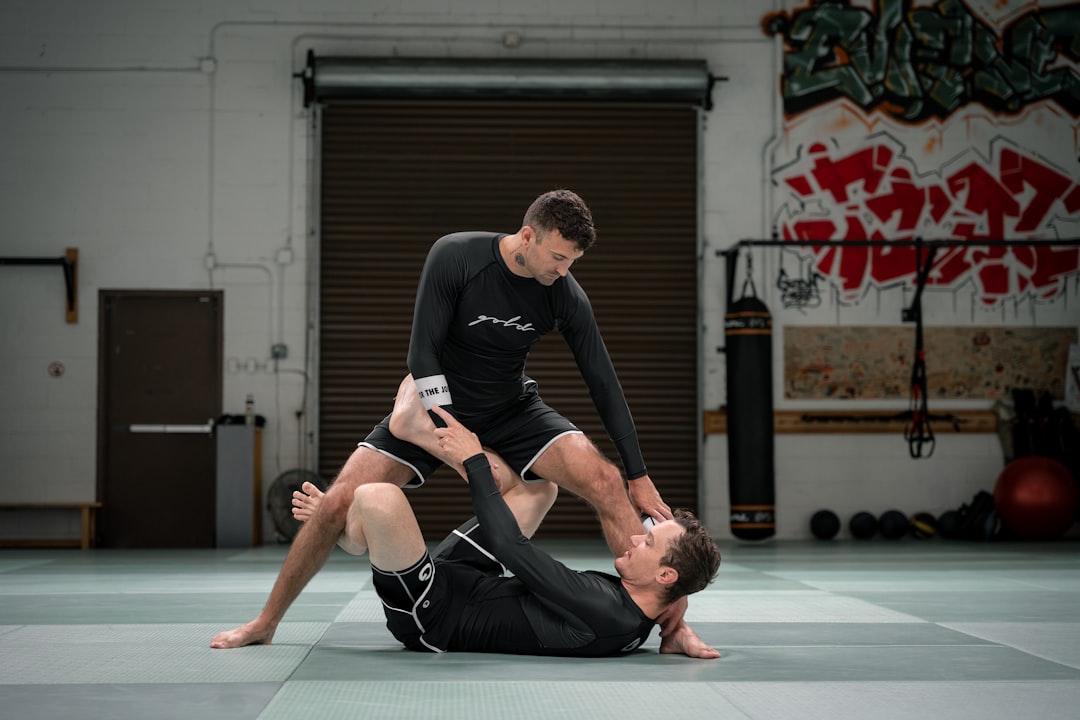
Understanding BJJ Injury Rates: What the Data Says
Let’s start with the numbers. A 2014 study published in the Asian Journal of Sports Medicine found that Brazilian Jiu-Jitsu has a competition injury rate of approximately 9.2 per 1,000 exposures — significantly lower than boxing (17.1), taekwondo (13.5), and mixed martial arts (23.6-28.6). But here’s the key distinction: training injury rates are much lower than competition rates. Most beginners never compete, so their risk profile is dramatically better.
The most comprehensive survey of BJJ injuries, conducted by Dr. Ethan Kreiswirth (a BJJ black belt and sports medicine researcher), found that the vast majority of injuries in recreational BJJ are minor — bruising, jammed fingers, and muscle strains that heal within days. Serious injuries requiring surgery are rare, especially among white belts who are typically paired with higher belts who control the pace and intensity.
What does this mean for you? If you train 3 times a week at a quality gym in Texas, your odds of a serious injury are lower than they would be playing recreational soccer or basketball. The key is choosing the right gym and the right training partners.
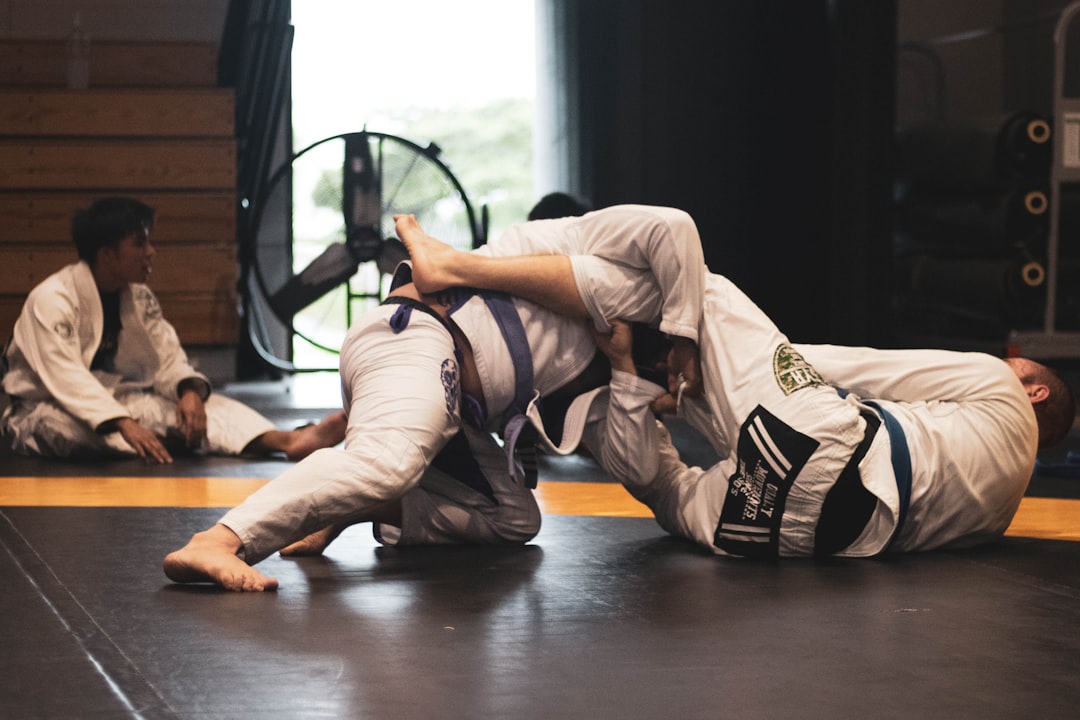
Common BJJ Injuries and How to Prevent Them
While BJJ is relatively safe, certain injuries are more common than others. Here’s what to watch for and how to avoid each one:
- Elbow and shoulder injuries from armbars: The #1 acute injury in BJJ. Prevention: always tap early when caught in a submission. Your ego is not worth a torn ligament. A good training partner will release immediately.
- Jammed fingers (gi training): Gripping the gi (uniform) can jam or sprain fingers over time. Prevention: tape your fingers before class and avoid gripping too tightly as a beginner.
- Knee issues from leg locks: Leg locks are increasingly popular but dangerous for beginners. Prevention: don’t attempt leg locks until your instructor teaches them, and tap immediately if someone applies one.
- Cauliflower ear: Repeated friction and impact to the ear can cause fluid buildup. Prevention: wear wrestling headgear during sparring, and drain any swelling promptly.
- Lower back strain: Guards and sweeps can stress the back. Prevention: stretch before and after class, and strengthen your core with supplemental exercises.
What Makes BJJ Safer Than Other Martial Arts
Brazilian Jiu-Jitsu has several built-in safety advantages compared to striking arts like boxing, Muay Thai, or taekwondo:
- No striking: There’s no punching, kicking, or elbowing. You won’t get a concussion from BJJ sparring (rolling), which is the biggest risk in combat sports.
- Tap-based submission system: You can end any hold instantly by tapping. This gives you complete control over your safety — unlike boxing, where you can’t tap out of a punch.
- Intensity scales with skill: Higher belts roll with beginners at a controlled, low-intensity pace. This mentorship dynamic is built into BJJ culture.
- Gradual physical demand: You start with drilling (practicing techniques without resistance) before moving to live sparring. Your body adapts progressively.
Compare this to boxing, where even light sparring involves repeated head impact. Or Muay Thai, where kicks and knees are fundamental to training. BJJ’s submission-based system lets you train at full resistance without brain trauma.
Tips for Safe BJJ Training as a Beginner
- Tap early, tap often. Don’t wait until a submission is fully locked in. Tap the moment you feel joint pressure or restricted blood flow.
- Choose the right gym. Look for a gym with a structured beginner program, attentive instructors, and a culture of safety first. Browse BJJ schools in Texas to compare options.
- Communicate with training partners. Tell them you’re new. Ask them to go light. Good partners will always accommodate.
- Rest between sessions. BJJ is physically demanding. Start with 2 classes per week and build up. Your body needs recovery time.
- Warm up properly. Take the warm-up seriously. Cold muscles tear. Do some light stretching before class if you arrive early.
Conclusion
BJJ is one of the safest and most effective martial arts you can practice as a beginner. The data is clear: training injury rates are low, the tap system gives you control, and the community culture prioritizes safety. The real question isn’t whether BJJ is safe — it’s whether you’ve found the right gym in your city. A good instructor, a welcoming culture, and smart training habits will keep you on the mats for years.
Frequently Asked Questions
Is BJJ safe for older beginners?
Yes. Many people start BJJ in their 40s and 50s. The key is communicating with your instructor about any pre-existing conditions, starting with 2 sessions per week, and focusing on technique rather than intensity. Many Texas BJJ gyms offer specialized over-40 or fundamentals programs.
How common are injuries in BJJ?
Most BJJ injuries are minor — bruised ribs, jammed fingers, and muscle strains. A large-scale survey found that serious injuries requiring surgery occur in less than 5% of practitioners over their entire training career. Competitive athletes have higher injury rates than recreational practitioners.
Can I do BJJ if I have a bad back or knees?
Many people with pre-existing back or knee issues train BJJ successfully. Consult your doctor first, inform your instructor, and avoid positions that aggravate your condition. No-gi BJJ (without the uniform) can be easier on the fingers, and some gyms offer lighter training sessions specifically for those with injuries.
Comments