
Houston is one of the fastest-growing cities in America, and with that growth comes the everyday reality of staying safe. Whether you’re commuting downtown, working a late shift in the Energy Corridor, or just want to feel more confident walking to your car, learning to protect yourself is one of the most practical investments you can make. The good news is that self defense classes in Houston have never been more accessible, with schools across the metro offering everything from Brazilian Jiu-Jitsu to Krav Maga and reality-based personal safety programs.
This guide breaks down what actually works, what to look for in a school, and how much you can expect to pay. Whether you’re a complete beginner or someone looking to switch disciplines, you’ll walk away knowing exactly how to take the first step.
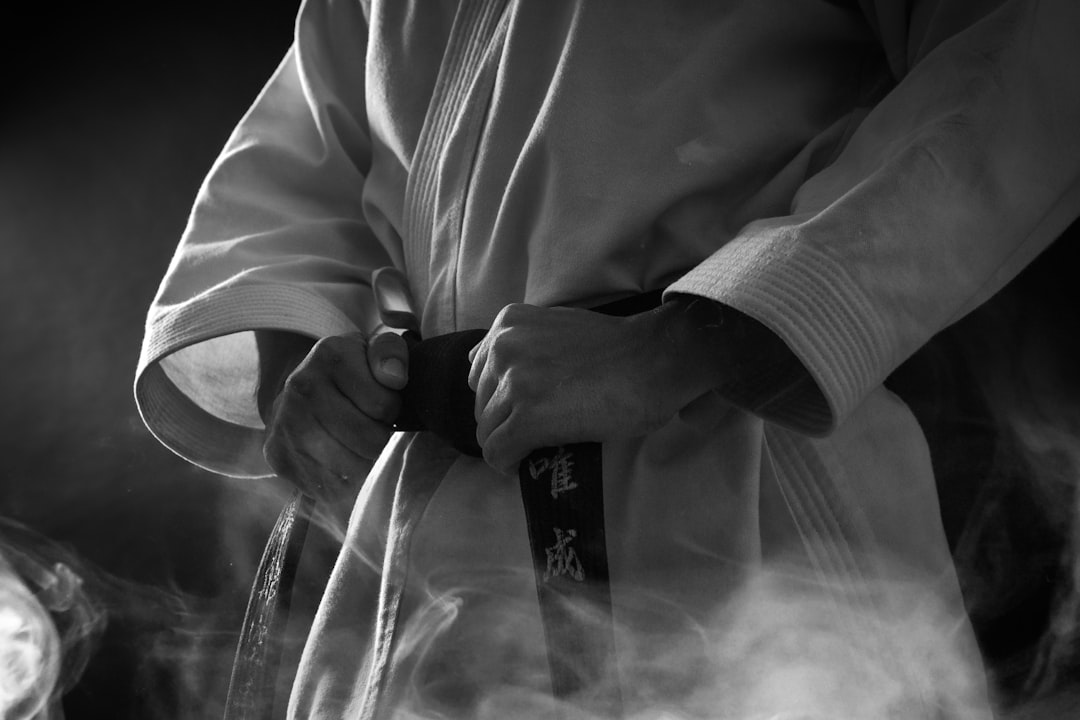
Best Martial Arts for Self-Defense
Not every martial art translates equally to a real-world confrontation. Some are built around sport and competition, while others focus purely on survival. Here’s a breakdown of the most effective disciplines for personal protection and how each one stacks up.
Brazilian Jiu-Jitsu (BJJ)
BJJ is widely considered the best starting point for most people. It teaches you how to control a larger, stronger attacker using leverage and technique rather than brute force. You’ll learn how to escape from being pinned, defend against chokes and grabs, and submit an aggressor from the ground. The biggest advantage is that BJJ is trained live against a resisting partner every class, so you know your techniques actually work under pressure. The downside is that it takes time to become proficient — typically six to twelve months of consistent training before techniques become instinctive — and it doesn’t address multiple attackers or weapons.
Muay Thai
Muay Thai, often called the Art of Eight Limbs, is a striking art from Thailand that uses punches, kicks, elbows, and knees. It’s one of the most effective stand-up striking systems in the world. If you need to create distance, defend against a standing assault, or strike your way out of a bad situation, Muay Thai gives you the tools. The conditioning is intense and the training includes live sparring, which builds real composure under stress. The limitation is that it doesn’t cover ground fighting, so if you end up on the pavement, you’ll need supplemental skills.
Krav Maga
Developed by the Israeli Defense Forces, Krav Maga is a tactical system designed specifically for real-world violence. It emphasizes situational awareness, threat neutralization, and aggressive counterattacks. Most programs incorporate defenses against common attacks — chokes, headlocks, grabs — as well as weapons disarming. Krav Maga is ideal for people whose primary goal is personal safety rather than sport. However, quality varies significantly between schools, so it’s important to find one that pressure-tests its techniques rather than just going through the motions.
Boxing
Boxing is deceptively effective for self-defense. It develops footwork, head movement, distance management, and the ability to throw clean, powerful punches — all of which matter enormously in a street encounter. Boxing also builds cardiovascular conditioning and mental toughness. The trade-off is that it only addresses striking with the hands and doesn’t cover kicks, clinch work, or ground fighting. Many students combine boxing with a grappling art like BJJ for a more well-rounded skill set.
What to Look for in a Self-Defense Class
Walking into the wrong school can waste your time and money — or worse, give you false confidence. Here are the key things to evaluate before signing up.
- Scenario-based training: The best programs rehearse realistic situations — being grabbed from behind, confronted at a car door, or pushed against a wall — not just partner drills in a vacuum. Look for a curriculum that connects technique to context.
- Pressure testing: Techniques that only work against a cooperative partner won’t hold up in reality. A good school includes live, resisted training or controlled sparring so you experience adrenal stress and learn to perform under it.
- Qualified instructors: Check credentials. Look for instructors with verifiable rank, teaching experience, and ideally a background in law enforcement, military, or security. A legitimate coach should be transparent about their lineage and happy to answer questions.
- Beginner-friendly culture: The gym should welcome newcomers, not run an ego-driven hierarchy. Take advantage of free trial classes to gauge the atmosphere before committing.
- Clean, professional facility: Mat hygiene matters. A well-maintained gym signals respect for students’ health and safety.
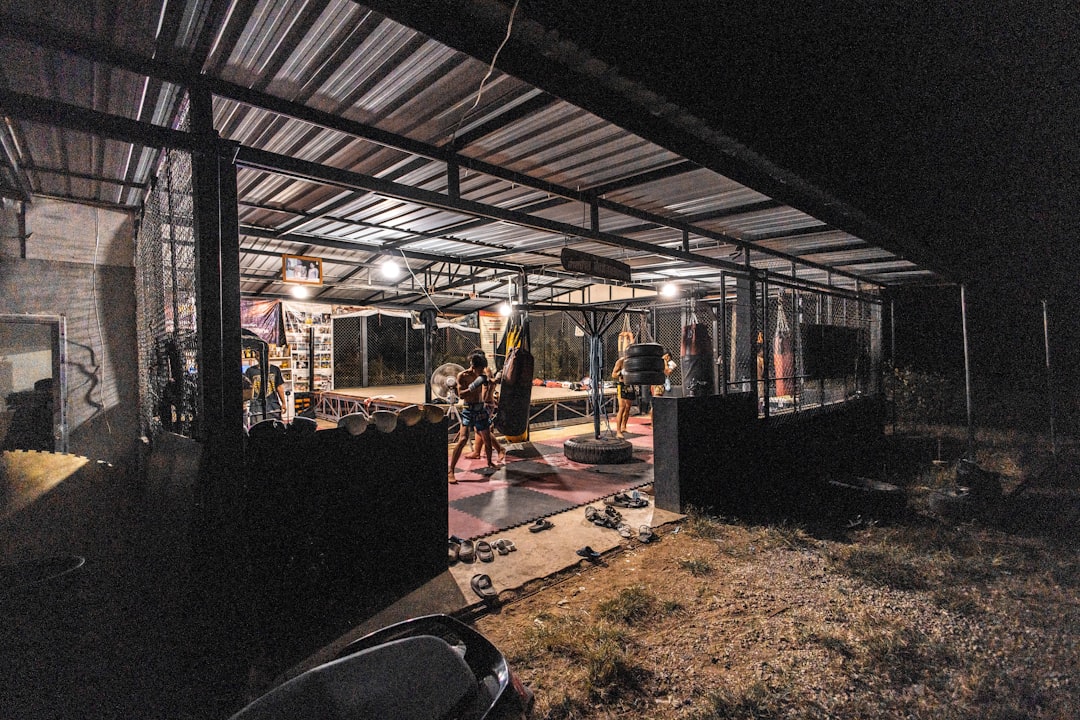
Self-Defense Training Costs in Houston
In the Houston metro, adult martial arts and self-defense memberships typically run between $100 and $180 per month, depending on the school, discipline, and contract length. Some premium academies — particularly those with high-level competition coaches — may charge more, while community-focused gyms and YMCA programs can come in lower. Most schools offer a free or low-cost introductory class, and many provide discounts for paying annually or enrolling multiple family members.
Beyond monthly tuition, budget for a gi or training attire (roughly $60–$150), and possibly a mouthguard or hand wraps. Some Krav Maga programs require periodic level testing fees. Always ask for a full breakdown of costs during your trial — a reputable school will be upfront about every charge.
Conclusion
Learning self-defense is about far more than throwing a punch. It’s about building the awareness, confidence, and physical capability to protect yourself and the people you care about. Houston has a thriving martial arts community with options for every goal, budget, and fitness level. The most important step is simply walking through the door of a school and starting. Pick a discipline that matches your needs — whether that’s BJJ, Krav Maga, Muay Thai, or boxing — take a free trial class, and commit to at least three months of consistent training before judging your progress.
Ready to find a school near you? Browse our self-defense school directory to connect with trusted academies across Houston and the wider Texas region.
Frequently Asked Questions
What is the best martial art for self-defense?
For most people, Brazilian Jiu-Jitsu is the best starting point. It teaches you to defend against larger attackers using leverage, escape dangerous positions, and control an aggressor without relying on striking power. BJJ is also trained live every session, which builds genuine, pressure-tested skill. That said, the ideal approach is often a combination — for example, BJJ for ground defense paired with Muay Thai or boxing for stand-up striking.
How long does it take to learn self-defense?
You can develop a functional baseline of self-defense skills in about three to six months of consistent training (two to three classes per week). In that timeframe, you’ll learn core escapes, basic strikes, and how to manage adrenaline in a confrontation. Becoming genuinely proficient — where reactions are automatic — typically takes one to two years. Mastery is a lifelong journey, but the confidence and capability you gain in the first few months are already significant.
Are self-defense classes worth it?
Yes. Beyond the obvious benefit of knowing how to protect yourself, self-defense training improves fitness, reduces stress, builds confidence, and surrounds you with a supportive community. The skills you develop may never need to be used in a violent encounter — but if they are, the investment pays for itself many times over. Compared to other monthly expenses, a self-defense membership is one of the few that could literally save your life.
Comments