
If you’ve ever watched a striking match and wondered whether you were looking at Muay Thai or kickboxing, you’re not alone. The Muay Thai vs kickboxing debate is one of the most common questions among new martial artists in Texas and beyond. Both sports involve punches and kicks, both deliver an incredible workout, and both are devastatingly effective in competition. Yet beneath the surface, they are profoundly different arts with distinct histories, rulesets, and technique arsenals.
Muay Thai, known as the “Art of Eight Limbs,” originated in Thailand and allows fighters to use fists, elbows, knees, and shins. Kickboxing is a broader umbrella term that encompasses several styles — American, Japanese (K-1), and Dutch — each with its own rule set but generally limiting strikes to punches and kicks. Understanding these differences will help you pick the right discipline for your goals, whether that’s self-defense, fitness, or stepping into the ring.
In this guide, we’ll break down everything you need to know about Muay Thai vs kickboxing: their origins, the specific techniques that set them apart, calorie-burning potential, and which style might be the best fit for you.

Protective Gear for Both Sports
CombatTX is reader-supported. When you buy through links on our site, we may earn an affiliate commission at no extra cost to you. As an Amazon Associate, CombatTX earns from qualifying purchases.


Origins and Rules
Muay Thai traces its roots back hundreds of years to the battlefields of ancient Siam (modern-day Thailand). Developed from the older martial art of Muay Boran, it evolved into a ring sport in the early 20th century. Thai fighters are national heroes, and the sport is deeply woven into the country’s cultural fabric, with traditional rituals like the Wai Kru performed before every bout. Under full Muay Thai rules, fighters may strike with fists, elbows, knees, and kicks, and they are allowed to clinch, sweep, and throw from the neck tie-up.
Kickboxing, by contrast, is a more modern creation with no single country of origin. American kickboxing emerged in the 1970s when karate and boxing practitioners began competing under a unified rule set that prohibited elbow and knee strikes. Japanese kickboxing (made famous by the K-1 promotion) developed around the same time and originally incorporated some knee strikes but still banned elbows and extended clinching. Dutch kickboxing blends Muay Thai techniques with Western boxing combinations and is widely regarded as one of the most aggressive striking styles in the world.
In short, Muay Thai has a deeper, more permissive rule set that rewards clinch fighting and close-range devastation, while kickboxing tends to favor distance striking, combination work, and a faster pace.
Technique Differences
While both arts share punches and kicks, the way those weapons are deployed — and what else is in the arsenal — creates a massive gap between the two. Here’s a detailed breakdown:
- Strikes Allowed: Muay Thai fighters use fists, elbows, knees, and shin kicks — the “eight limbs.” Kickboxing generally limits fighters to punches and kicks, with elbows almost universally banned and knees restricted or prohibited depending on the ruleset.
- Clinch Work: This is arguably the biggest difference. Muay Thai features extensive clinch fighting where athletes battle for dominant neck position, deliver knees to the body, and execute sweeps and dumps. In kickboxing, the referee typically separates fighters within seconds of a clinch, making it a non-factor.
- Kicking Style: The Muay Thai roundhouse is thrown with the shin (not the foot), driven through the hips with a locked supporting leg and no pivot of the planted foot — generating enormous power. Kickboxers often pivot on the ball of the supporting foot and may strike with the instep, prioritizing speed and snap over raw force.
- Footwork and Stance: Muay Thai fighters adopt a more squared, weight-back stance that keeps both legs ready to check kicks and defend takedowns. Kickboxers stand slightly more bladed with weight distributed for quick lateral movement, in-and-out footwork, and boxing-style combinations.
- Pacing: Muay Thai is often fought at a measured, tactical rhythm with an emphasis on reading and countering. Kickboxing tends to have a faster, more volume-driven pace, especially in the Dutch and K-1 styles.
- Defense: Muay Thai emphasizes shin checks, long guards, and catching kicks to set up counters. Kickboxing relies more on footwork, head movement, and parrying, borrowing heavily from Western boxing.
None of these differences make one art “better” than the other — they simply reflect different rules, traditions, and strategic philosophies. Many elite strikers cross-train in both to round out their game.
Which Is Better for Self-Defense?
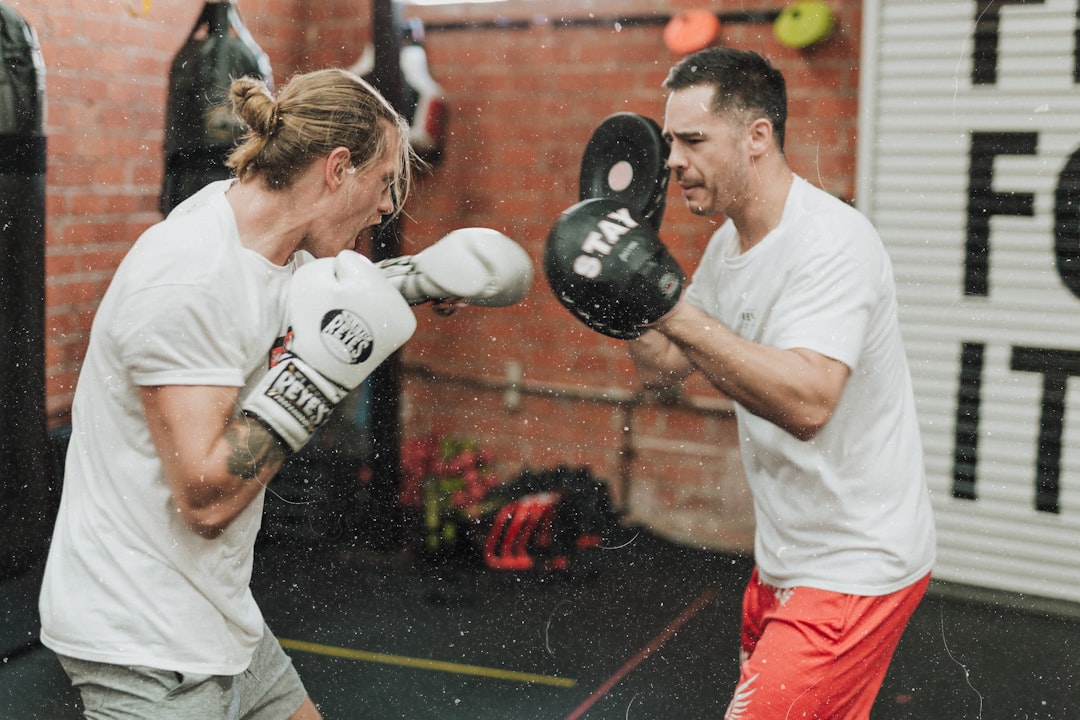
Both Muay Thai and kickboxing are highly effective for self-defense because they are practiced live against resisting opponents — something many traditional martial arts lack. That said, Muay Thai holds a slight edge for real-world scenarios. Elbows and knees are devastating at close range, exactly the distance where most street altercations occur. The clinch skills taught in Muay Thai give you the ability to control an attacker who grabs or charges you, and sweeps can put an aggressor on the ground quickly.
Kickboxing is by no means a poor choice. Its emphasis on footwork, distance management, and fast punch-kick combinations translates well to staying safe and creating escape opportunities. For self-defense purposes, the best art is the one you’ll train consistently — but if you want the most tools for close-quarters violence, Muay Thai’s eight-limb arsenal is hard to beat.
Which Burns More Calories?
If your primary goal is weight loss or cardiovascular fitness, both disciplines will torch calories. A typical one-hour kickboxing class can burn anywhere from 500 to 800 calories, depending on intensity. Pad work, bag rounds, and conditioning drills keep your heart rate elevated throughout.
Muay Thai classes tend to edge out kickboxing slightly in caloric expenditure — often 600 to 900 calories per hour — because of the additional clinch work, neck wrestling, and the physical demands of defending and delivering knee and elbow strikes. The clinch in particular is an isometric full-body workout that builds grip strength, core stability, and muscular endurance.
Ultimately, the difference is modest. The most important factor is showing up and pushing yourself. Either art will dramatically improve your conditioning, shed fat, and build lean muscle when trained consistently.
Which Should You Choose?
There’s no wrong answer — only the answer that fits your goals. Here’s a quick guide:
- Choose Muay Thai if: You want the most complete striking arsenal, you’re interested in clinch fighting and close-range techniques, or you dream of competing under full rules in Thailand-style bouts.
- Choose Kickboxing if: You prefer a faster-paced, boxing-heavy style, you want to avoid clinch work, or you’re drawn to K-1 or Dutch-style competition.
- Choose either if: Your main goals are fitness, stress relief, weight loss, or learning practical self-defense. Both deliver outstanding results.
The best advice? Visit local gyms for both, take a trial class in each, and see which culture and coaching style resonates with you. The right gym and the right coach matter more than the label on the door.
Conclusion
Muay Thai and kickboxing are two of the most effective striking arts on the planet. Muay Thai offers a deeper toolbox with elbows, knees, and clinch fighting, while kickboxing delivers explosive combinations, superior footwork, and a fast-paced style that’s incredibly fun to train. Neither is objectively superior — the right choice depends on your goals, your interests, and the quality of coaching available near you.
Ready to get started? Explore Muay Thai gyms in Texas or find a kickboxing school near you on CombatTX and take your first step into the striking arts today.
Frequently Asked Questions
Is Muay Thai harder than kickboxing?
Muay Thai generally has a steeper learning curve because it involves more weapons — elbows, knees, clinch sweeps, and the distinctive shin-driven roundhouse — all of which require dedicated practice to master. Kickboxing’s smaller technique set (punches and kicks) lets most people become functional more quickly. That said, both arts take years to truly master, and neither is “easy” at a competitive level.
Can I switch from kickboxing to Muay Thai?
Absolutely — and it’s one of the most common transitions in combat sports. Your kickboxing foundation in punches, kicks, footwork, and conditioning will transfer directly. The main adjustments are learning to check kicks without flinching, adapting to the squared stance, getting comfortable in the clinch, and adding elbows and knees to your arsenal. Most kickboxers pick up Muay Thai fundamentals within a few months.
Which is better for beginners?
Both are excellent for beginners, but kickboxing has a slight edge if you want simplicity. With fewer techniques to learn and no clinch work, newcomers can start hitting pads and feeling competent faster. However, many beginners fall in love with Muay Thai’s rich tradition and the satisfaction of mastering its broader skill set. Try a class in each and trust your gut — the best beginner art is the one that keeps you coming back.
Comments