
If you’re a parent watching your child bounce off the walls with boundless energy, or an adult wondering if you missed your window, you’ve probably asked yourself the same question countless others have: what is the best age to start martial arts? It’s one of the most common questions we hear at CombatTX, and the answer might surprise you. There isn’t a single magic number. The truth is, martial arts training offers unique benefits at every stage of life, and the “best” age depends largely on your goals, temperament, and what you hope to get out of training.
Whether you’re considering enrolling your toddler in a Little Ninjas program, thinking about signing up your teenager for Brazilian Jiu-Jitsu, or you’re a 45-year-old who has always wanted to try karate, martial arts has something valuable to offer. Let’s break down what each age group can expect, what to look for in a program, and why the journey is rewarding no matter when you begin.
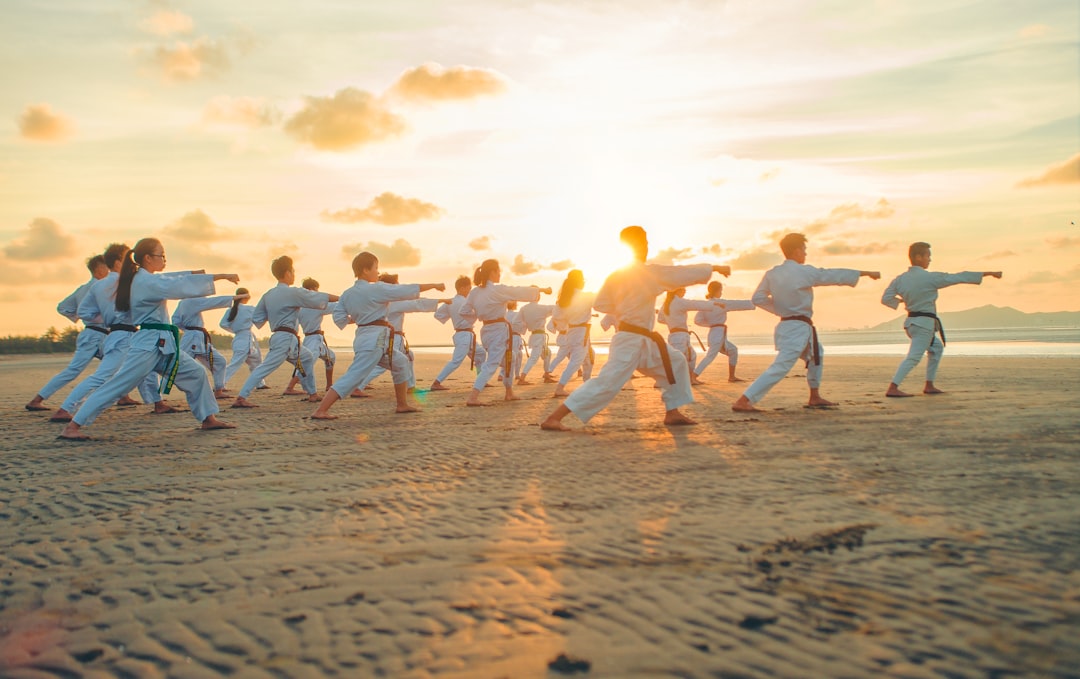
Ages 3-5: Little Ninjas Programs
Many martial arts schools across Texas offer specialized programs for children as young as three years old. These classes are often called “Little Ninjas,” “Tiny Tigers,” or “Lil’ Dragons,” and they’re designed with a very specific purpose: they are not miniature adult classes. Instead, they focus on fundamental motor skills, body awareness, and the building blocks of discipline — all wrapped in games and activities that keep young children engaged and excited.
At this age, the emphasis is on balance, coordination, following directions, taking turns, and having fun. Children learn to listen to an instructor, stand in line, and practice basic movements like front kicks, blocks, and stances. These programs lay an incredible foundation for physical development, but perhaps more importantly, they help young children develop focus, patience, and respect for authority figures outside the home.
It’s worth noting that three and four-year-olds are not learning self-defense techniques in any practical sense, and that’s perfectly okay. The value at this age is in the social, emotional, and physical development. If your child enjoys structured activities and can follow simple instructions, a Little Ninjas program can be a wonderful introduction. Look for schools with instructors who are experienced working with very young children and keep class sizes small.
Ages 6-12: The Golden Window
If there is a universally agreed-upon “best” age to start martial arts, it falls somewhere in the 6-to-12 range. This is the golden window for learning physical skills. Children in this age group have developed enough body control and cognitive ability to absorb technique, understand concepts like strategy and timing, and begin applying them in practice. Their brains are like sponges, and the muscle memory they build now will stay with them for a lifetime.
During these years, kids can start training in earnest across a wide range of disciplines — karate, taekwondo, Brazilian Jiu-Jitsu, wrestling, and judo are all excellent choices. They’ll learn real technique, begin sparring (in age- and skill-appropriate ways), and start progressing through belt ranks or skill levels. The character development at this stage is profound: discipline, perseverance, humility, respect, and confidence become ingrained through the structured environment of a martial arts classroom.
For parents concerned about bullying, focus issues, screen time, or lack of physical activity, this is the ideal time to get kids involved. Martial arts gives children a productive outlet for energy, a sense of achievement as they earn new belts, and a community of peers and mentors who reinforce positive values. Kids who start in this age range often develop a lifelong love of training and a strong sense of self that carries into every area of life.
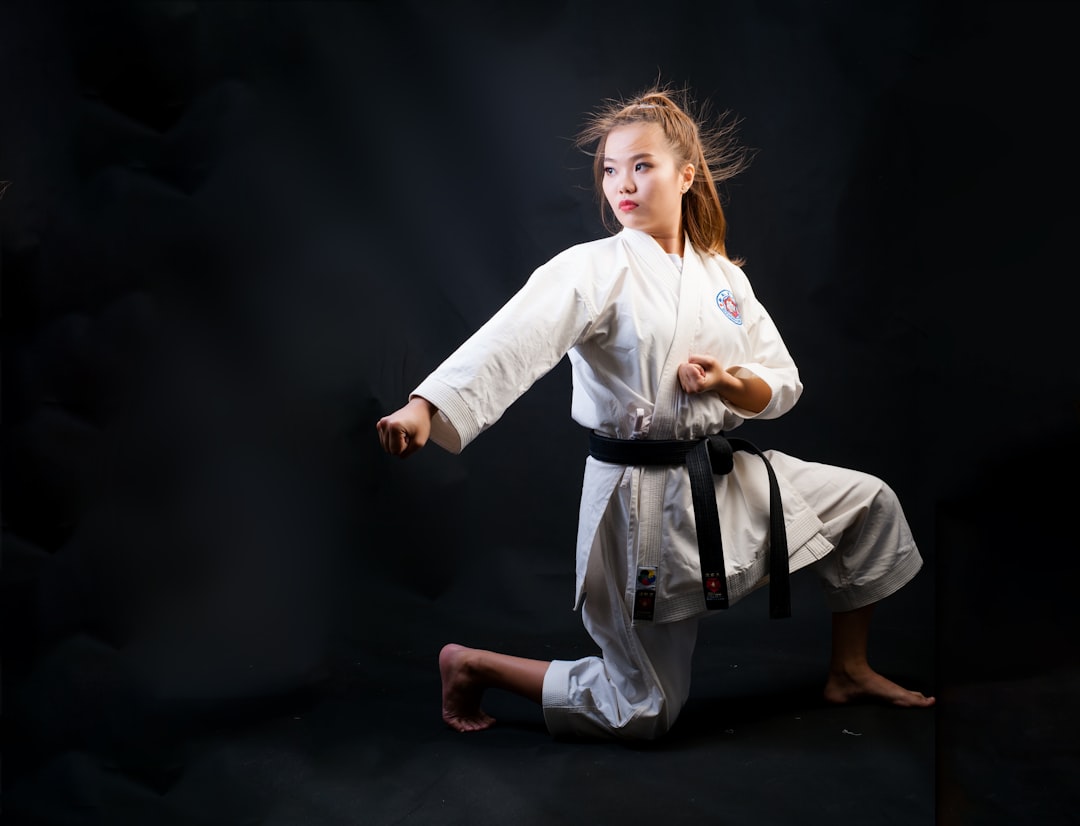
Teenagers: Building Identity Through Training
The teenage years are a time of intense physical, emotional, and social change. Martial arts training during adolescence can be transformative. Teens are old enough to train seriously — they can handle complex techniques, intense conditioning, and full sparring — but they’re also navigating identity formation, peer pressure, and stress. A martial arts gym becomes a second home where they can channel energy, build confidence, and surround themselves with positive influences.
For teenagers, martial arts offers something school sports often can’t: individual achievement at your own pace, a culture of respect and discipline, and mentorship from coaches who genuinely invest in their growth. Whether it’s a teen dealing with anxiety, a high school wrestler looking to add submission skills, or a kid who never clicked with team sports, the mats provide a space where effort and consistency are rewarded. Starting martial arts as a teenager builds physical confidence and mental resilience at exactly the time those qualities matter most.
Adults: It’s Never Too Late
Let’s address the elephant in the room: a huge number of people start martial arts in their 30s, 40s, 50s, and beyond. Brazilian Jiu-Jitsu, in particular, has exploded in popularity among adults precisely because it’s often described as physical chess — a technical, cerebral art where leverage and strategy matter more than raw athleticism. Walk into any BJJ academy in Texas and you’ll find doctors, lawyers, teachers, and parents of all ages on the mats, many of whom started with zero experience.
The benefits for adults are significant. Regular training improves cardiovascular health, flexibility, strength, and body composition. It reduces stress, builds a sense of community, and provides a mental break from the demands of work and family life. Many adults find that martial arts becomes their primary form of exercise because it’s simply more engaging than the treadmill — you’re constantly learning, problem-solving, and progressing.
The key for adults is choosing the right environment. Look for a school with dedicated beginner programs, instructors who understand that adults have day jobs and injuries, and a culture that welcomes newcomers. Many academies offer “fundamentals” classes specifically designed for people walking in the door for the first time. You don’t need to be in shape to start — training gets you in shape. You don’t need experience — that’s the point of showing up. The only real barrier is the one in your mind.
Conclusion
So, what is the best age to start martial arts? The honest answer is: the age you are right now. For young children, it builds coordination and character. For kids and teens, it instills discipline, confidence, and lifelong habits. For adults, it offers fitness, stress relief, community, and the deeply satisfying journey of continuous self-improvement. The mats don’t care how old you are — they only care that you show up. If you’ve been waiting for a sign, this is it.
Ready to find the right school? Explore our directory of martial arts schools across Texas and take the first step today: Find a Martial Arts School Near You.
Frequently Asked Questions
Can a 3-year-old start martial arts?
Yes. Many schools offer specialized “Little Ninjas” or “Tiny Tigers” programs designed specifically for children ages 3-5. These classes focus on basic motor skills, following instructions, and having fun — not on combat techniques. They’re a great way to introduce young children to structure, discipline, and physical activity in a safe, supportive environment. Look for a program with experienced instructors who are skilled at working with very young children.
Is 40 too old to start BJJ?
Not at all. Starting Brazilian Jiu-Jitsu at 40 — or 50, or 60 — is incredibly common. BJJ is often called the “gentle art” because it emphasizes technique and leverage over strength and speed, making it accessible to people of all ages and fitness levels. Many academies have dedicated beginner programs tailored for adults. As long as you listen to your body, communicate with your training partners, and progress at your own pace, age is not a barrier. Some of the most dedicated practitioners on the mat started well into adulthood.
Which martial art is best for young kids?
For young children (ages 4-7), karate and taekwondo are the most popular starting points. Both offer structured belt systems that give kids visible goals, emphasize discipline and respect, and focus on fundamental movements like strikes, blocks, and stances. As children get older (8+), they can explore other options like Brazilian Jiu-Jitsu, wrestling, or judo. The best martial art for your child is ultimately the one at the school with the best instructors and the most positive, welcoming environment near you.
Comments