
One of the most common reasons people hesitate to walk into a boxing gym is the fear that they are not fit enough to start. They imagine every person in the building is already in peak condition, throwing combinations without breaking a sweat, and they assume they will be expected to keep up from day one. Here is the truth: you do not need to be fit to start boxing. Boxing is what makes you fit. Every coach in Texas who has worked with beginners has seen people walk in completely out of shape and transform over months of consistent training. If you have been waiting for the "right time" to start, this guide will explain exactly what to expect, why your current fitness level does not matter, and how to take the first step.

Why You Do Not Need to Be Fit to Start Boxing
Boxing is a skill-based sport, not a fitness prerequisite. When you walk into a beginner boxing class, the coach is not evaluating your stamina or your strength. They are looking at your attitude, your willingness to learn, and your ability to follow basic instructions. The fitness will come as a natural byproduct of showing up.
Think about it this way: nobody expects you to be fluent in Spanish before you take your first Spanish class. The same logic applies to boxing. A good beginner program is designed for people who have never thrown a punch in their lives. The warm-ups are scaled, the drills are introductory, and the pace is set for someone starting from zero. If you can jog lightly for a minute, shadow-box slowly, and pay attention, you can participate in a beginner class.
What matters far more than your starting fitness is your consistency. A person who starts out of shape and trains three times a week will be dramatically fitter in three months than someone who waits until they feel "ready" and never starts at all. Boxing gyms across Texas — from Houston to Dallas to Austin — are full of members who began exactly where you are right now.
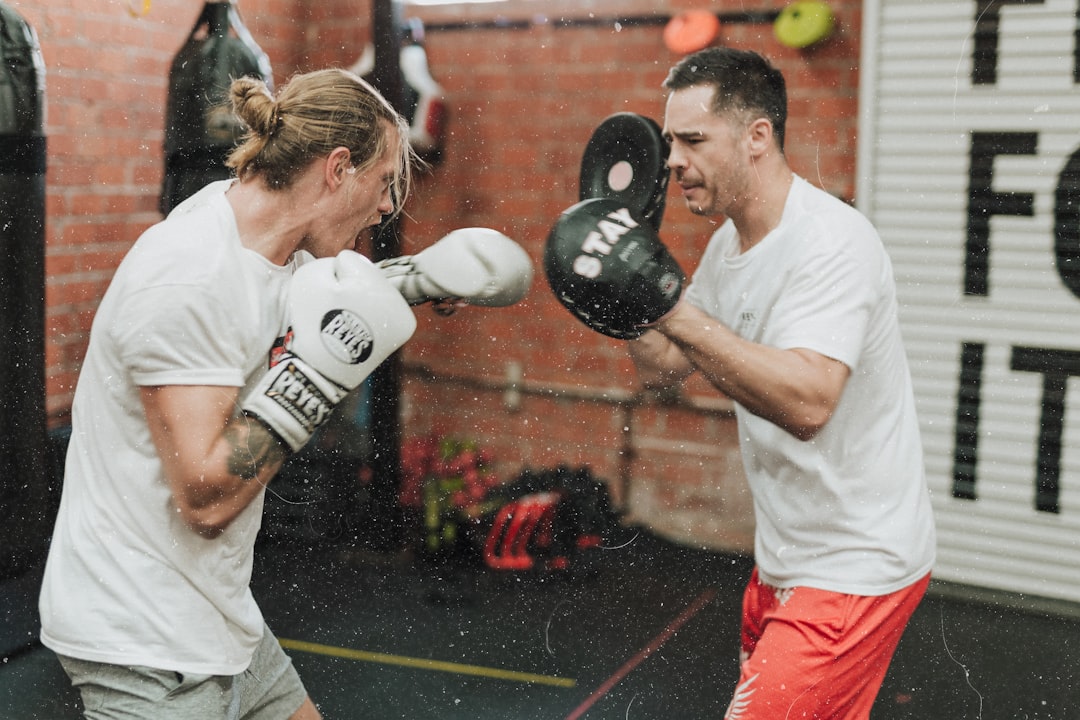
What a Beginner Boxing Class Actually Looks Like
If you have never set foot in a boxing gym, the structure of a typical beginner class will probably surprise you. Most sessions run about 60 minutes and follow a predictable format that gradually builds your conditioning over time. Here is what you can expect:
- Warm-up (10 to 15 minutes): Light jogging, jumping rope, and dynamic stretching. No one expects you to jump rope like a pro on day one — many beginners trip over the rope constantly, and that is completely fine.
- Shadow boxing and technique (15 to 20 minutes): The coach demonstrates punches, footwork, and defense. You practice slowly, focusing on form rather than power or speed.
- Bag work or pad work (15 to 20 minutes): You apply the techniques on a heavy bag or with the coach holding focus mitts. This is where the real workout begins, but the intensity is yours to control.
- Conditioning and cool-down (10 minutes): Core work, bodyweight exercises, and stretching. Coaches scale this to your level.
Notice that nowhere in this structure is there a requirement to already be in shape. The class itself is the workout that will get you there. If you want to see what boxing gyms in your area offer, browse the boxing gyms in our Texas directory to find a beginner-friendly program near you.
How Boxing Builds Fitness From Day One
Boxing is widely considered one of the most effective full-body workouts you can do. A single one-hour session can burn between 400 and 700 calories depending on your weight and intensity, and it develops multiple fitness qualities simultaneously:
- Cardiovascular endurance: Round-based training mirrors high-intensity interval training, improving heart and lung capacity quickly.
- Muscular endurance: Repeated punching, footwork, and defensive movement build stamina in your shoulders, core, and legs.
- Core strength: Every punch generates power from your hips and midsection, so your core gets a serious workout even without sit-ups.
- Coordination and agility: Hand-eye coordination, balance, and reaction time all improve as you learn combinations and footwork patterns.
- Stress relief and mental sharpness: Focusing on technique under pressure builds mental resilience, which is one of the reasons boxing is so addictive.
Within a few weeks of consistent training, most beginners notice their everyday energy levels climbing, their sleep improving, and simple tasks like climbing stairs feeling easier. You do not need to get fit to start boxing — you start boxing to get fit. If you are still weighing your options, our comparison of boxing versus MMA for beginners can help you decide which path fits your goals.
Practical Tips for Starting Boxing Out of Shape
If you are ready to begin but worried about keeping up, a few practical steps will make your first weeks far smoother. The goal is not to perform — it is to show up, learn, and let the conditioning build naturally.
- Talk to the coach before class. Tell them you are new and out of shape. Every good coach will modify drills and check in on you during the session.
- Invest in hand wraps and gloves. Protecting your hands and wrists matters from day one. Our beginner boxing gear checklist walks you through exactly what to buy, and our guide on how to wrap your hands shows you the proper technique.
- Pace yourself. Take breaks when you need them. No one judges a beginner for stopping to catch their breath.
- Train two to three times per week. This frequency is enough to build fitness steadily without burning out or getting overly sore.
- Focus on technique over power. Good form is what keeps you safe and makes the workout effective.
- Hydrate and eat reasonably. You do not need a strict diet, but drinking water and eating enough protein will speed your progress.
If footwork feels intimidating, you can even practice basic drills at home before your first class. Our boxing footwork drills you can do at home guide covers simple movements that build coordination and confidence without any equipment.
Conclusion
You do not need to be fit to start boxing — you need to start boxing to become fit. The myth that beginners must already be in shape keeps too many people on the sidelines when the sport was designed to meet them exactly where they are. A good coach, a supportive gym, and consistent attendance will take care of the rest. Whether your goal is weight loss, stress relief, self-defense, or simply trying something new, boxing delivers results faster than almost any other beginner-friendly activity. The only real barrier is walking through the door the first time. Ready to find a gym? Explore boxing options in Houston, Dallas combat sports gyms, or browse the full CombatTX blog for more beginner guides.
Frequently Asked Questions
Do I need to be in shape before my first boxing class?
No. Beginner boxing classes in Texas are designed for people starting from any fitness level. Coaches scale warm-ups, drills, and conditioning so you can participate fully on day one. Your fitness will improve as a result of training, not as a prerequisite for it.
How many calories does a boxing workout burn?
A typical one-hour boxing session burns between 400 and 700 calories depending on your body weight and the intensity of the workout. Because boxing combines cardio, strength, and interval-style training, it is one of the most efficient calorie-burning activities available to beginners.
How often should a beginner train boxing?
Most coaches recommend two to three sessions per week for beginners. This frequency allows your body to adapt, build conditioning, and recover between workouts without burning out. Consistency matters far more than intensity in the first few months.
Related Guides
- What Gear Do I Need for Boxing? A Complete Beginner’s Checklist
- How to Wrap Hands for Boxing: A Step-by-Step Guide
- Boxing Footwork Drills You Can Do at Home
- Boxing vs MMA: Which Should You Start First?
- Best Boxing Gyms in Houston: 2026 Guide
- Top Boxing Gyms in Fort Worth: Where to Train in 2026
- Browse Boxing Gyms in Texas
- CombatTX Blog
Comments