
Finding the right karate school in Dallas-Fort Worth can feel overwhelming when the metroplex holds dozens of dojos across Plano, Arlington, Frisco, Irving, and everywhere in between. Whether you’re searching for a traditional Shotokan dojo for your eight-year-old, a sport-oriented tournament team for your teen, or adult classes that actually fit around a 9-to-5, DFW has genuine options worth exploring. In this 2026 guide to the top karate schools in Dallas-Fort Worth, we’ll walk through what separates a great dojo from a mediocre one, which styles dominate the region, and how to evaluate the schools near you before you ever sign a contract. If you’re ready to find a training home, the CombatTX directory lists verified karate schools across the entire metroplex — browse DFW karate schools here.
Why Dallas-Fort Worth Is a Karate Hotspot
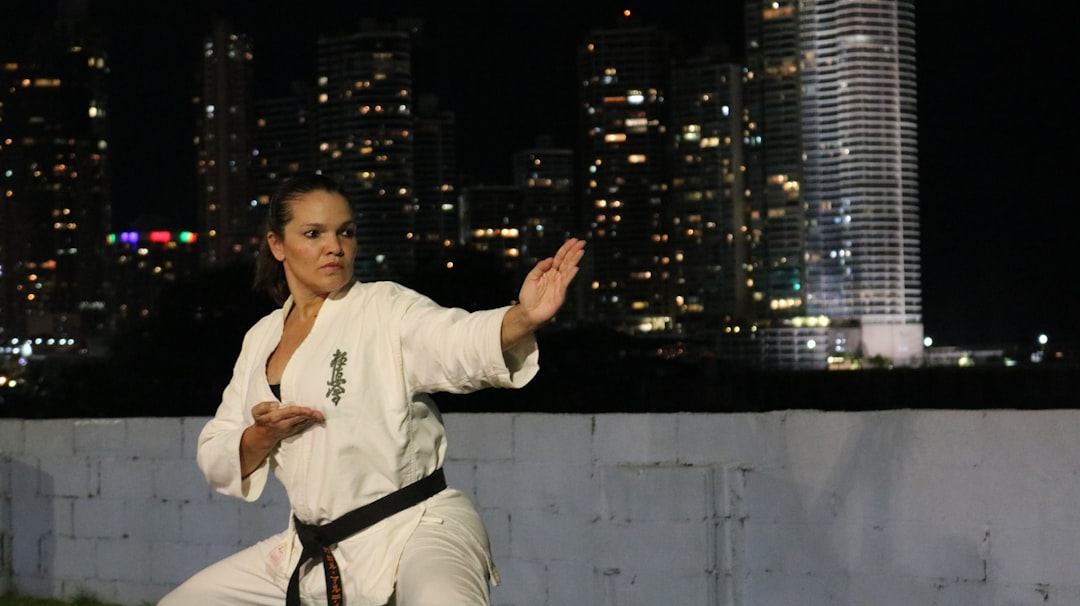
Dallas-Fort Worth has quietly become one of the strongest karate markets in the southern United States. The region hosts major regional and national tournaments each year, drawing competitors from across Texas, Oklahoma, and Louisiana. Local dojos routinely produce national-level athletes in both kata (forms) and kumite (sparring), and the metroplex’s sheer size means you can find authentic instruction in Shotokan, Goju-Ryu, Shito-Ryu, Kyokushin, and American sport karate without driving more than 30 minutes.
The DFW karate scene also benefits from a deep youth pipeline. Parents here have access to after-school programs, summer camps, and competition teams that feed directly into USA Karate and AAU circuits. For adults, the growth of lunchtime and evening adult-only classes has made it far easier to start training in your thirties or forties without feeling out of place. If you want to see the full spread of what’s available, the Dallas combat sports page and the Fort Worth combat sports page list active schools across both sides of the metroplex.
What to Look for in a Top DFW Karate School
Not every school with a karate sign on the door teaches the same thing. Before you commit to a membership, evaluate each candidate against these core criteria:
- Instructor lineage and rank. Ask who awarded the head instructor’s black belt and how long they’ve taught. Legitimate dojos are proud to share their lineage.
- Affiliation. Look for membership in a recognized body — USA Karate (the US Olympic committee-recognized NGB), AAU Karate, the JKA, or a documented international organization.
- Class structure. A good school separates kids, teens, and adults, and offers both kata-focused and kumite-focused sessions rather than one mixed grab-bag class.
- Transparent pricing. Watch for long contracts hidden behind “free trial” offers. The best DFW schools publish monthly tuition and testing fees up front.
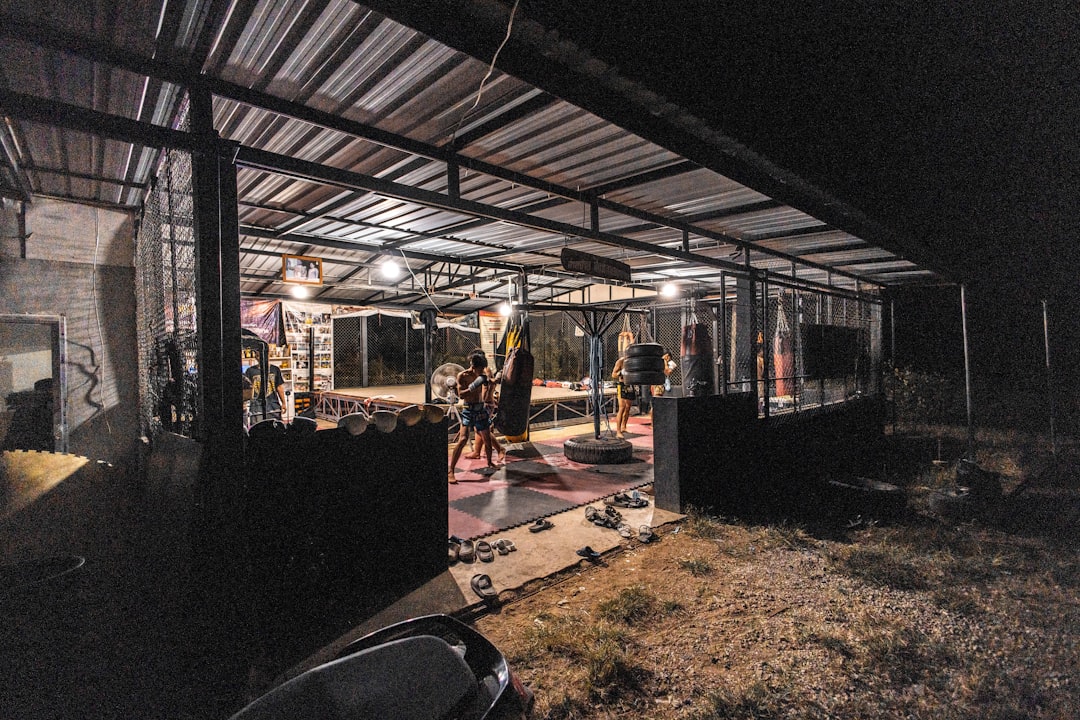
- Clean, matted facility. Sprung floors and clean mats are non-negotiable for safe training. Tour the space before signing anything.
- Culture. Sit in on a class. You want a room that’s disciplined but positive, not one built on fear or intimidation.
If you’re comparing karate to other striking arts and wondering which path fits your goals, our Karate vs Taekwondo breakdown walks through the real differences in technique, competition, and self-defense application.
Popular Karate Styles Taught in DFW
Dallas-Fort Worth dojos cover the full spectrum of karate traditions. Here’s a quick orientation so you know what each style emphasizes:
- Shotokan. The most common style in the U.S. Long, deep stances, linear power, and a heavy emphasis on kata. Great for discipline and fundamentals.
- Goju-Ryu. A hard-soft style mixing powerful strikes with circular blocks and close-range techniques. Often appeals to adults interested in practical application.
- Kyokushin. Full-contact knockdown karate. Tough, conditioning-heavy, and not for everyone — but unmatched for building toughness.
- Shito-Ryu. A technical style with an enormous kata curriculum. Common in tournament circles.
- American (sport) karate. Point-fighting oriented, often blended with kickboxing and gymnastics-style weapons. Exciting for kids who love competition.
There’s no single “best” style — the right one depends on whether your priority is self-defense, sport, tradition, fitness, or family activity. If you’re still weighing karate against other options, our guide on how to choose the right martial art for your child applies the same logic across disciplines.
Karate for Kids vs Adults in the Metroplex
The DFW market splits cleanly into kid-focused and adult-friendly programs, and the best school for a family is rarely the best school for a 35-year-old beginner. Kid-centric dojos tend to cluster in the suburbs — Plano, Frisco, Keller, Mansfield — where after-school pickup programs and belt-promotion ceremonies are major draws. These schools excel at structure, character development, and keeping young students engaged with games and rewards.
Adult programs, by contrast, tend to live closer to the city cores and along the major freeways. They run later in the evening, expect more of their students, and often welcome crossover from other arts. If you’re an adult who has never thrown a punch, look for a school with a dedicated beginner adult track rather than one that drops you into a mixed-rank class on day one. Pricing in DFW typically runs from about $100 to $180 per month for unlimited classes; see our full breakdown at how much martial arts training costs in Texas.
Conclusion
The top karate schools in Dallas-Fort Worth in 2026 aren’t defined by a single style or a single suburb — they’re defined by legitimate instruction, a healthy training culture, and a program structure that matches your goals. Tour at least three dojos before you decide, watch a real class (not just a sales pitch), and trust your gut about the atmosphere. DFW has more than enough quality options that you never need to settle for a school that feels off. When you’re ready to compare specific schools side by side, start with the verified listings in our directory and filter by city, style, and program type.
Frequently Asked Questions
How much do karate classes cost in Dallas-Fort Worth?
Karate tuition in DFW typically runs $100–$180 per month for unlimited classes at a reputable school, with initiation fees and belt testing fees on top. Suburban kids’ programs sometimes bundle after-school pickup, which can push monthly cost to $150–$250. Browse the CombatTX karate directory to compare specific schools and contact them for current pricing.
What is the best age to start karate in Texas?
Most DFW dojos accept students as young as 4 or 5 in specialized “Little Dragons”-style programs, though serious technical training usually starts around age 6 or 7. Adults can absolutely start karate at any age — many of the strongest beginners in the metroplex are in their 20s, 30s, and 40s. Our deeper dive at the best age to start martial arts covers developmental considerations in detail.
Is karate good for self-defense in Dallas?
Karate builds strong striking fundamentals, situational awareness, and the confidence to react under pressure — all valuable for self-defense. For real-world applicability, look for a school that includes controlled sparring and resists pure point-fighting drills. Some DFW students cross-train karate with a dedicated self-defense program; see our self-defense class guide for the broader Texas landscape.
Related Guides
- Browse all karate schools in the CombatTX directory
- Combat sports gyms in Dallas
- Combat sports gyms in Fort Worth
- Combat sports gyms in Arlington
- Karate vs Taekwondo: Which is better for self-defense?
- How to choose the right martial art for your child
- How much does martial arts training cost in Texas?
- Best kids martial arts in Plano
- Where to train MMA in Dallas
- CombatTX blog home
Comments