
When most people think of martial arts, two styles immediately come to mind: karate and taekwondo. Both are wildly popular across Texas, with schools in every major city from Houston to El Paso. But if your primary goal is self defense, which one gives you the better toolkit? The karate vs taekwondo debate has been going on for decades, and the answer isn’t as simple as picking a winner. Each art brings distinct strengths — karate emphasizes powerful hand strikes and close-range defense, while taekwondo is famous for its explosive kicks and footwork. In this guide, we’ll break down the key differences between karate and taekwondo so you can decide which is the better fit for your self defense needs.
Whether you’re a parent looking for the right program for your child or an adult wanting practical skills, understanding how these two martial arts compare is essential. Let’s dive into the history, techniques, training methods, and real-world self defense applications of both.
Karate vs Taekwondo: Origins and Philosophy
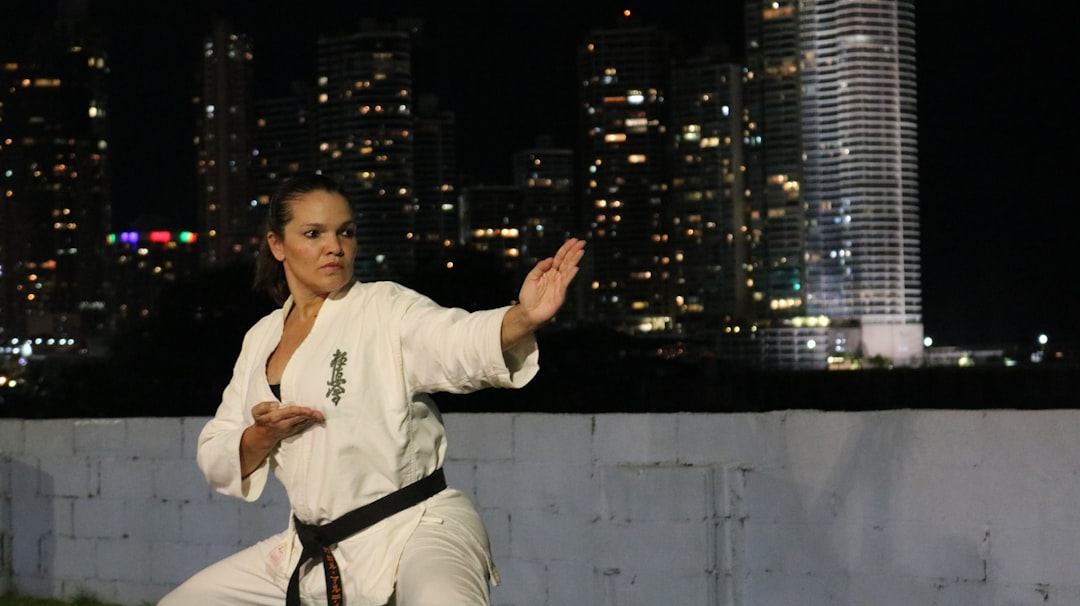
Karate originated in Okinawa, Japan, and was developed as a system of self defense using the hands, feet, elbows, and knees as weapons. The word karate translates to “empty hand,” reflecting its focus on unarmed combat. Karate’s philosophy centers on discipline, respect, and the concept of ikken hissatsu — “one strike, one kill” — meaning every technique should be delivered with enough power to end a confrontation in a single blow.
Taekwondo, on the other hand, was developed in Korea and became an official Olympic sport in 2000. The name means “the way of the foot and fist,” and it emphasizes high, fast kicks and dynamic footwork. While taekwondo also values discipline and respect, its sport-oriented evolution has made it heavily focused on scoring points through kicks in competition rather than pure self defense application.
This difference in origin and evolution is key to the karate vs taekwondo self defense debate. Karate maintained a stronger connection to its combat roots, while taekwondo increasingly shifted toward athletic competition. That said, many taekwondo schools — especially traditional ones — still teach practical self defense techniques alongside sport training.
Technique Differences: Punches, Kicks, and Strikes
The most obvious difference between karate and taekwondo is the balance of hand and foot techniques. Here’s how they compare:
- Karate: Roughly 60% hand techniques and 40% kicks. Strikes include punches (gyaku-zuki), knife-hand strikes (shuto), elbow strikes, and knee strikes. Kicks are typically aimed at the midsection or legs rather than the head, making them more practical for self defense.
- Taekwondo: Roughly 70% kicks and 30% hand techniques. Signature kicks include the roundhouse (dollyo chagi), spinning heel kick, and jumping kicks. Hand techniques are limited in sparring but are taught in patterns (poomsae).
- Stance and Distance: Karate uses a wider, lower stance for stability and power generation. Taekwondo uses a narrower, more upright stance optimized for mobility and kicking range.
Which Is Better for Real-World Self Defense?
When it comes to real-world self defense, both arts have strengths and limitations. Here’s an honest assessment:
Karate’s self defense advantages: Karate trains practitioners to deliver devastating single strikes, block incoming attacks, and maintain composure under pressure. The emphasis on hand techniques means you learn to defend yourself at punching range — the distance most street confrontations happen. Karate also teaches awareness, de-escalation mindset, and targeting vulnerable areas like the throat, groin, and knees. If you’re interested in training in Texas, you can find karate schools across the state through CombatTX.
Taekwondo’s self defense advantages: Taekwondo’s kicks are powerful and can create distance between you and an attacker. The art develops excellent balance, flexibility, and cardiovascular conditioning. A well-placed front kick or side kick to the knee can stop an assailant. However, high kicks and spinning techniques — while impressive — are risky in a real fight where the ground is uneven and attackers close distance quickly. Taekwondo practitioners who focus on self defense should emphasize low kicks and hand techniques. Browse taekwondo schools in Texas to find a program that balances sport and practical application.
The verdict: For pure self defense, karate generally has a slight edge because its techniques are more directly applicable to real-world confrontations. Hand strikes work at the range where most attacks occur, and karate’s blocking system is designed to handle aggressive, forward-moving attackers. However, the best martial art for self defense is ultimately the one you’ll train consistently — and a dedicated taekwondo practitioner will be far more capable than someone who never trains at all.
Training Differences: What to Expect in Class
Before choosing between karate and taekwondo, it helps to understand what training looks like in each:
- Karate class structure: Warm-up, kihon (basic techniques), kata (forms), kumite (sparring), and self defense applications (bunkai). Classes tend to be structured and traditional, with an emphasis on precision and power.
- Taekwondo class structure: Warm-up, stretching, kicking drills, poomsae (forms), step sparring, and free sparring. Classes are high-energy and place heavy emphasis on flexibility and leg conditioning.
- Belt progression: Both arts use colored belt systems, but taekwondo typically has more intermediate belts (often 10 geup levels before black belt), while karate usually has fewer belt colors with longer time between promotions.
- Sparring rules: Taekwondo sparring is heavily regulated with chest protectors and electronic scoring, rewarding head kicks. Karate sparring (kumite) varies by style but generally allows more hand strikes and body contact.
If you’re training in Texas, the quality of instruction matters more than the style name. A great Houston martial arts school or Dallas training center will teach practical skills regardless of the style. Visit a few schools, watch a class, and ask about their self defense curriculum before committing.
Conclusion
So, which wins the karate vs taekwondo self defense debate? For practical, real-world self defense, karate has a modest edge due to its emphasis on hand techniques, close-range defense, and combat-oriented philosophy. However, taekwondo builds exceptional kicking power, agility, and fitness — all valuable in a self defense situation. The most important factor is consistency: the art you train regularly and take seriously will serve you better than the “perfect” art you never practice.
Both karate and taekwondo teach discipline, confidence, and awareness — skills that help you avoid dangerous situations in the first place. Ready to start training? Find a karate school or find a taekwondo school near you on CombatTX, or explore our dedicated self defense classes directory.
Frequently Asked Questions
Is karate or taekwondo better for self defense?
Karate is generally considered slightly better for self defense because it emphasizes hand techniques, close-range strikes, and practical blocking. Taekwondo’s high kicks are less practical in real confrontations, though low kicks and front kicks can be effective. In Texas, many schools blend elements of both — search CombatTX for schools near you that focus on self defense.
Can taekwondo be used in a real fight?
Yes, taekwondo can be effective in a real fight, especially techniques like the front kick, side kick, and reverse punch. The art develops strong legs, quick reflexes, and the ability to create distance. However, practitioners should supplement with hand techniques and ground defense, as taekwondo doesn’t address grappling or ground fighting.
How much do karate and taekwondo classes cost in Texas?
Karate and taekwondo classes in Texas typically cost $100-$180 per month, depending on the school, location, and program. Many schools offer free trial classes. You can compare schools and pricing by browsing karate schools and taekwondo schools on CombatTX.
Comments