
San Antonio’s combat sports scene has been on a steady rise, and Muay Thai in San Antonio is at the heart of that growth. Once a niche martial art practiced by a small community of dedicated fighters, Thai boxing has exploded in popularity across the Alamo City. From strip-mall academies to full-service training centers with rings, heavy bags, and padded floors, the options for anyone looking to step into the ring — or just get in the best shape of their life — have never been better. Whether you are a complete beginner curious about the “Art of Eight Limbs,” a fitness enthusiast bored of the treadmill, or a seasoned martial artist cross-training for MMA, San Antonio’s Muay Thai community has something to offer. But walking into a gym for the first time can be intimidating if you don’t know what to expect. In this guide, we’ll break down everything you need to know: the history of Muay Thai in San Antonio, what a typical class looks like, what gear you’ll need, how much it costs, and answers to the most common beginner questions.
The Art of Eight Limbs in the Alamo City
Muay Thai, often referred to as the “Art of Eight Limbs,” originated in Thailand hundreds of years ago and is widely regarded as one of the most effective striking arts in the world. It distinguishes itself from other kickboxing styles by incorporating punches, kicks, elbows, and knees — eight points of contact rather than the traditional two (hands) or four (hands and feet). San Antonio’s connection to Muay Thai runs deeper than many people realize. The city’s massive military presence, anchored by Joint Base San Antonio — one of the largest military installations in the United States — has played a significant role in bringing Thai boxing to South Texas. Servicemen and women stationed in or deployed from San Antonio encountered Muay Thai through overseas training and combatives programs, and many brought their passion for the art back home. Over the past two decades, that trickle of interest turned into a flood. Today, San Antonio boasts a thriving ecosystem of Muay Thai gyms ranging from traditional Thai-style camps to modern fitness-oriented academies. The city has also produced amateur and professional competitors who have fought on regional and national cards, further elevating the local scene. What was once a tight-knit subculture is now a mainstream fitness and competitive option for San Antonians of all backgrounds.
What a Typical Muay Thai Class Looks Like
If you’ve never taken a Muay Thai class before, it helps to understand the general structure so you can walk in with confidence. While every gym has its own approach, most classes in San Antonio follow a similar arc that runs about 60 to 90 minutes.
Warm-Up and Shadow Work: Classes typically begin with a dynamic warm-up. Expect jumping jacks, light jogging, arm circles, and mobility drills to get the blood flowing. This is usually followed by shadow boxing — throwing punches, kicks, knees, and elbows in the air to practice technique, footwork, and balance without a partner or bag.
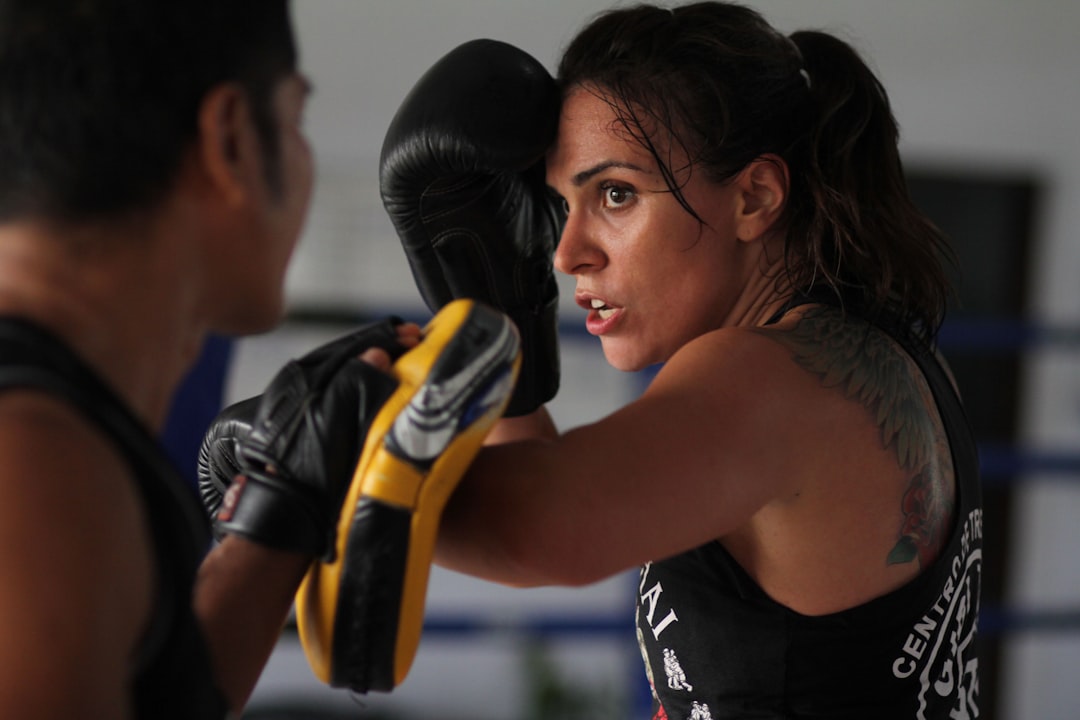
Pad Work and Bag Drills: The core of most sessions involves working with Thai pads, focus mitts, or heavy bags. Instructors or training partners hold pads while you execute combinations called out by the coach. This is where you develop power, timing, and the rhythm that makes Muay Thai such a dynamic art. You’ll work rounds — typically three to five minutes each — mirroring the structure of a real fight.
Clinch Work: One element that sets Muay Thai apart from other striking arts is the clinch. In the clinch, fighters grab hold of each other around the neck and arms, battling for position and delivering knees and elbows at close range. Many San Antonio gyms dedicate time to clinch technique, which builds core strength, balance, and tactical awareness.
Conditioning and Cool-Down: Classes wrap up with a conditioning segment — think push-ups, sit-ups, squats, or kettlebell circuits — followed by a cool-down and stretching period. This structure means you’ll get a full-body workout while learning genuine self-defense skills.
What to Bring to Your First Class
Showing up prepared will make your first Muay Thai experience far more enjoyable. Here’s what you should bring:
- Hand wraps: Essential for protecting your knuckles, wrists, and the small bones in your hands. Most gyms sell or lend these, but having your own is a good idea.
- Boxing gloves: Beginners can usually borrow loaner gloves, but investing in your own pair (12–16 oz depending on your size) is more hygienic and comfortable.
- Comfortable shorts and a t-shirt: Muay Thai shorts are ideal, but any athletic shorts and a moisture-wicking shirt work fine for your first session.
- Mouthguard: Not always required for beginner classes, but recommended if there’s any light sparring.
- Water and a towel: You will sweat — a lot.
Most importantly, bring a good attitude and a willingness to learn. Nobody expects you to be perfect on day one.
Muay Thai Training Costs in San Antonio
The cost of training Muay Thai in San Antonio is comparable to other major Texas cities. Most gyms charge between $100 and $180 per month for unlimited classes, which typically includes access to multiple sessions per week across different skill levels. Some gyms offer tiered memberships — for example, a lower rate for two classes per week and a premium for unlimited access. Many facilities also provide a free or discounted trial class, so you can test the waters before committing. Additional costs to keep in mind include your own gear (gloves, wraps, shin guards) which can run $50 to $150 depending on quality, and annual registration fees that some gyms charge for insurance purposes. Some gyms offer family rates, student discounts, or law enforcement and military discounts — worth asking about given San Antonio’s large military community.
Conclusion
Muay Thai is more than just a workout — it’s a martial art that builds discipline, confidence, and community. San Antonio’s gyms offer a welcoming environment for beginners while providing serious training paths for those who want to compete. Whether your goal is fitness, self-defense, or stepping into the ring, there’s a place for you in the Alamo City’s Thai boxing scene. Take that first step, wrap your hands, and give it a try. Ready to find the right gym? Browse our directory of Muay Thai gyms in San Antonio and across Texas at CombatTX and start your training journey today.
Frequently Asked Questions
Is Muay Thai good for beginners?
Absolutely. Muay Thai is one of the most beginner-friendly striking arts because classes are structured around progressive learning. You start with basic stance, footwork, and individual techniques before advancing to combinations and sparring. Most San Antonio gyms have dedicated beginner or fundamentals classes, so you’ll be training alongside other newcomers. Coaches emphasize safety, proper form, and gradual progression, making it accessible regardless of your fitness level or prior experience.
How much does Muay Thai cost in San Antonio?
On average, Muay Thai memberships in San Antonio run between $100 and $180 per month for unlimited classes. Prices vary based on the gym’s facilities, coaching credentials, and class offerings. Many gyms provide free trial classes, student and military discounts, and flexible membership tiers to fit different budgets.
What should I wear to Muay Thai?
Wear comfortable athletic shorts and a t-shirt or rash guard. Muay Thai shorts are popular but not required for beginners. Training is done barefoot on mats, so no shoes are needed — just make sure your feet are clean. Bring hand wraps and gloves if you have them; most gyms have loaner gear for your first class.
Comments