
Walking into a first Muay Thai class can feel intimidating. Maybe you’ve watched highlight reels of elbows and flying knees and wondered whether you’re about to get thrown to the wolves. You’re not alone — every single person in that gym felt the exact same butterflies on day one. The good news? Muay Thai gyms are some of the most welcoming communities you’ll find in combat sports, and nobody expects a beginner to throw a perfect roundhouse on the first night. Coaches are used to first-timers and will guide you through every step at a pace that makes sense. You won’t be sparring your first day, you won’t be asked to do anything dangerous, and you definitely won’t be the only person who looks a little lost. What you will get is a phenomenal workout, an introduction to one of the most effective striking arts on the planet, and — if you’re like most people who try it — the start of a habit that changes how you feel about fitness entirely. Here’s exactly what to expect so you can walk in confident.
Muay Thai Starter Gear
CombatTX is reader-supported. When you buy through links on our site, we may earn an affiliate commission at no extra cost to you. As an Amazon Associate, CombatTX earns from qualifying purchases.


What to Wear to Your First Muay Thai Class
One of the most common questions beginners ask is about dress code. You don’t need fancy gear for your first Muay Thai class — regular workout clothes are perfectly fine. The key thing to keep in mind is that Muay Thai involves a lot of kicking, so wear shorts that sit above the knee. Long basketball shorts or sweatpants will restrict your legs and get in the way when you start working on kicks. A plain t-shirt or a fitted rashguard works great on top. Avoid anything with zippers, buttons, or metal hardware — these can scratch training partners and damage the pads.
As for footwear: you’ll train barefoot on the mats. No shoes, no socks. This is standard in every Muay Thai gym. Just make sure your feet and toenails are clean and trimmed (long toenails are a real hazard when you’re kicking pads). A mouthguard is optional for your first class — you likely won’t be doing contact drills on day one — but it’s a smart investment if you plan to continue. Don’t worry about gloves or shin guards yet; most gyms have loaner equipment for beginners to use during their trial.
What You’ll Actually Do in Class
A typical Muay Thai class runs about 60 to 90 minutes and follows a fairly predictable structure. Here’s a walkthrough of what your first session will probably look like from start to finish:
Warm-Up (10–15 minutes): Class usually opens with a warm-up to get your heart rate up and your joints lubricated. Expect jump rope, light jogging around the mats, dynamic stretching, and sometimes bodyweight exercises like push-ups or sit-ups. Shadow boxing — throwing punches and kicks in the air — is also common during warm-up to start drilling technique before you make contact with anything.
Technique Instruction (20–30 minutes): This is the meat of the class. The coach will demonstrate specific techniques and break them down step by step. In a beginner class, you’ll likely cover the Muay Thai stance, the basic punches (jab and cross), and fundamental kicks like the teep (push kick) and the roundhouse. The coach will explain foot placement, hip rotation, and weight distribution. You’ll drill these movements — sometimes in front of a mirror, sometimes on a heavy bag, sometimes with a partner holding pads.
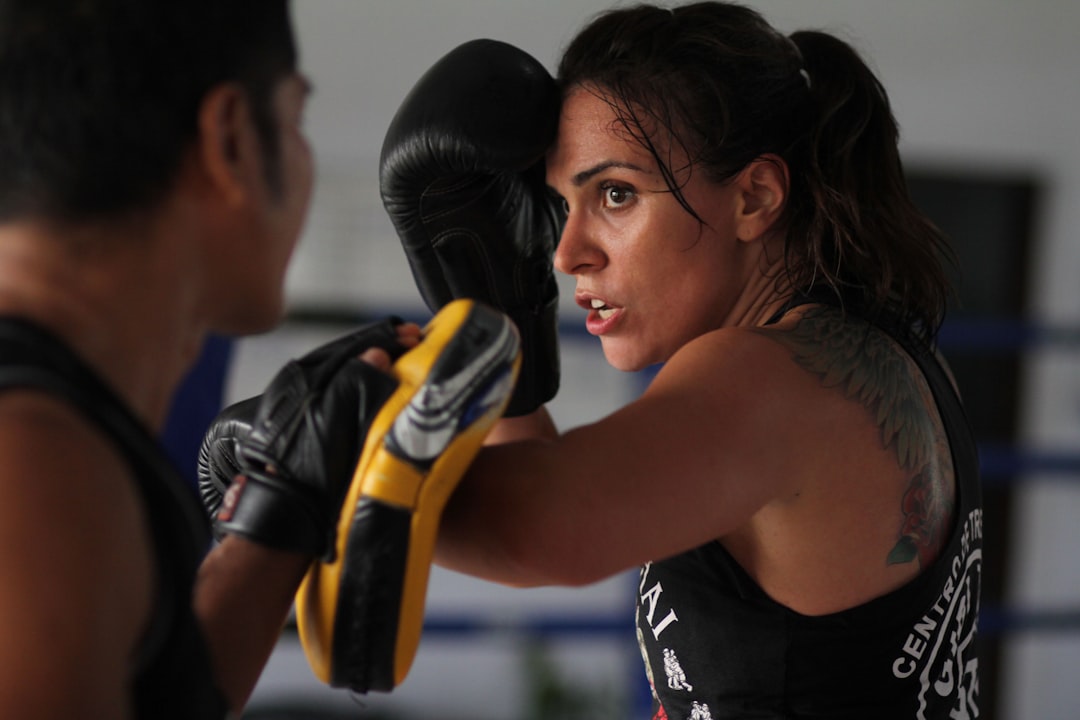
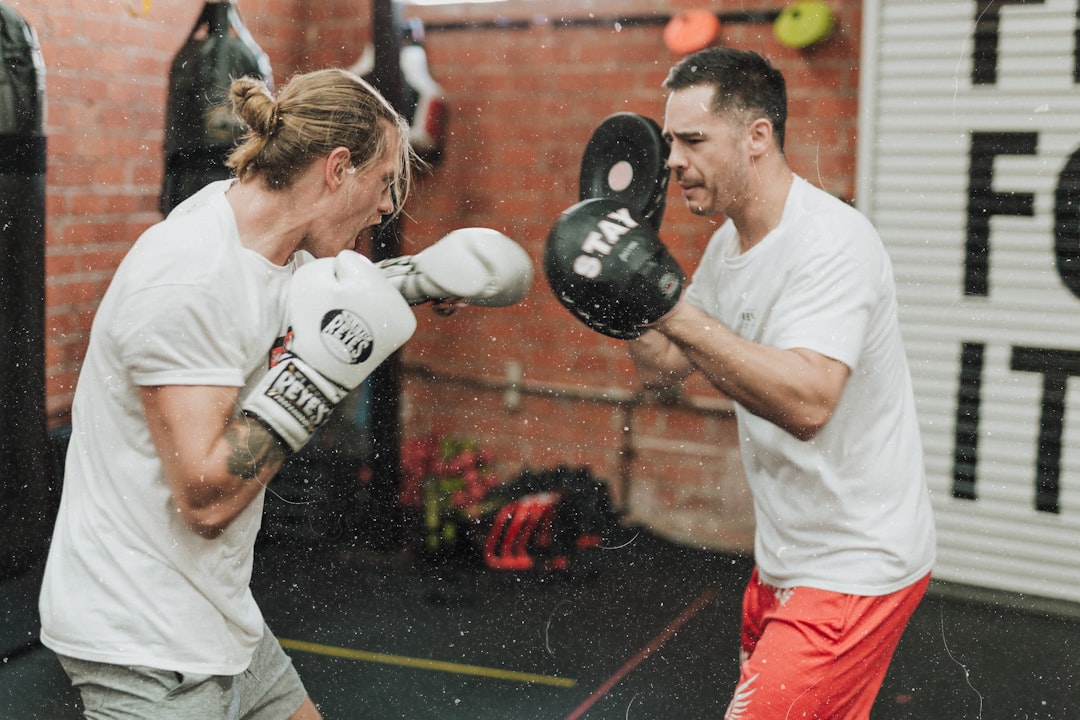
Pad Work & Partner Drills (15–25 minutes): This is where things get fun. You’ll pair up with another student and take turns holding Thai pads for each other while the coach calls out combinations. Don’t worry — holding pads is easy to learn, and your partner will walk you through it. Pad work lets you practice full-power strikes in a controlled, safe way. You might also get a brief introduction to the clinch, which is the close-range grappling aspect of Muay Thai involving neck ties and knee strikes.
Cooldown (5–10 minutes): Class wraps up with light stretching, sometimes more shadow boxing at a relaxed pace, and a quick coach debrief. Some gyms end with a group cheer or bow. You’ll be tired but energized.
What to Expect Physically
Let’s be honest: Muay Thai is an intense workout. It engages your entire body — legs for kicking, core for rotation and balance, shoulders and arms for punching, and cardio for all of it. Even a beginner-level class will push your heart rate into zones you might not be used to. It’s completely normal to feel gassed halfway through, and nobody will judge you for taking a breather.
After your first class, expect soreness in places you didn’t know existed. Your shins may be tender from kicking pads (this builds up over time as you condition them). Your core will ache from all the rotational movement. Your shoulders will feel the burn from holding your hands up in a guard position — keeping your gloves up is harder than it looks. This is all normal muscle soreness and usually peaks 24 to 48 hours after class. What’s not normal is sharp joint pain, inability to bear weight, or anything that feels like a genuine injury — if you experience that, tell the coach immediately. Hydration is critical: drink plenty of water before, during, and after class, especially in the Texas heat.
Tips for Your First Day
- Arrive 10–15 minutes early. This gives you time to fill out a waiver, meet the coach, ask about loaner gear, and get comfortable with the space before class starts. Rushing in late adds unnecessary stress.
- Trim your toenails and fingernails. Long nails are a serious hazard in Muay Thai — they can cut your training partners during clinch work and pad drills. This is non-negotiable gym etiquette.
- Bring plenty of water. A large water bottle is essential. Some gyms have water fountains, but don’t count on it. Hydrate throughout — there’s no shame in stepping to the side for a sip.
- Don’t try to go 100%. This is the #1 beginner mistake. Your goal on day one is to learn technique, not to prove how hard you can hit. Throwing full-power strikes with bad form is how injuries happen. Focus on doing the movements correctly.
- Ask questions. Coaches love engaged beginners. If you don’t understand a technique, if you’re unsure where to stand, if you need help with the pads — ask. That’s what the coach is there for.
- Communicate with your training partners. When you’re doing partner drills, talk to the person across from you. Let them know it’s your first class. Experienced students are almost always happy to help and will adjust their intensity to match your level.
Frequently Asked Questions
Do I need to be fit to start Muay Thai?
No. This is one of the biggest myths in martial arts. You don’t need to get in shape before starting Muay Thai — Muay Thai is how you get in shape. Beginner classes are designed for people of all fitness levels, and you’ll build conditioning naturally as you train. Coaches scale the intensity so newcomers can participate fully without being overwhelmed. You’ll be surprised how quickly your cardio improves.
What should I bring to my first Muay Thai class?
For your first class, you only need the basics: comfortable workout clothes (shorts above the knee and a t-shirt or rashguard), a large water bottle, a small towel, and a positive attitude. Most gyms provide loaner gloves and shin guards for beginners. If you decide to keep training, you’ll eventually want to buy your own gloves (16 oz is standard for training), hand wraps, and shin guards. A mouthguard is also recommended once you progress to contact drills.
Is Muay Thai good for self-defense?
Yes. Muay Thai is widely regarded as one of the most effective striking-based martial arts for real-world self-defense. It teaches you to use eight weapons — fists, elbows, knees, and shins — and emphasizes practical, tested techniques rather than theoretical movements. The clinch work in particular is invaluable for controlling an attacker at close range. That said, self-defense also requires situational awareness and de-escalation skills, so think of Muay Thai as a powerful tool in a broader self-protection toolkit.
How often should a beginner train Muay Thai?
Two to three times per week is ideal for beginners. This gives you enough frequency to build muscle memory and conditioning without overtraining. Your body — especially your shins, shoulders, and core — needs recovery time between sessions. Training once a week is fine for maintaining, but progress will be slow. More than four times a week as a beginner risks burnout and injury. As your conditioning improves, you can increase frequency. Listen to your body and let your coach guide you.
Ready to Find a Gym?
Your first Muay Thai class is the hardest part — not because of the physical challenge, but because of walking through the door. Once you’re on the mats, you’ll find a community of people who were exactly where you are now and are eager to help you succeed. Muay Thai builds strength, confidence, and mental toughness like few other activities can, and it all starts with that first session. So pick a gym, show up early, and give it everything you’ve got.
Ready to get started? Browse our directory of Muay Thai gyms in Texas and find the right one near you. Whether you’re in Houston, Austin, or Dallas, CombatTX has you covered with 30+ verified Muay Thai gyms across the state. Your first class is waiting.
Comments