
Walking into a martial arts gym for the first time at 42, 48, or 55 can feel intimidating. Everyone remembers the movies: young athletes flying through the air, fighters sparring full contact, and a drill sergeant of a coach barking orders. The good news is that starting martial arts over 40 looks nothing like that in real life. Across Texas, thousands of adults begin training in their forties, fifties, and beyond, and most say the same thing within a month: they wish they had started sooner.
The truth is that training as an adult is a completely different experience than training as a teenager. You are not chasing a championship. You are building strength, mobility, confidence, and a community, all of which matter more after 40, not less. In this guide, we will break down what actually happens when an adult beginner starts training, which arts are the smartest entry points, and how to train hard without breaking yourself. By the end, you will know exactly what your first month should look like.
Why Martial Arts Over 40 Is Different — and Worth It
Let us be honest about what changes after 40. Recovery takes longer, joints need more warm-up time, and the ego needs regular check-ups. You will not out-athletic a 22-year-old in his prime, and you do not need to. Adult beginners have advantages that younger students rarely have: patience, consistency, and the humility to actually listen to coaching. In most Texas gyms, the students who progress fastest are not the most athletic ones — they are the ones who show up three times a week, every week.
The benefits are significant. Regular martial arts training improves cardiovascular health, balance, flexibility, and bone density, all of which decline with age if untrained. It is also one of the few forms of exercise that engages the brain as heavily as the body — learning combinations, defending takedowns, and reacting to a partner keeps cognitive sharpness high. Many adult students report better sleep, lower stress, and more energy at work within the first two months. If you are comparing options, our breakdown of boxing versus MMA for fitness is a good starting point.

The Best Martial Arts to Start Over 40
There is no single perfect art for older beginners, but a few consistently work well. Brazilian Jiu-Jitsu is arguably the most popular choice for adults over 40 because it is technique-driven rather than athleticism-driven. Rolling is performed at controlled intensity, and tapping out is expected, not embarrassing. Texas has a deep BJJ scene — browse our jujitsu school directory to compare programs near you.
Boxing is another excellent option. Footwork, head movement, and punch mechanics build coordination and conditioning without requiring hard sparring. Most boxing fundamentals classes are bag- and pad-based, and sparring is always optional for beginners. Check the boxing gyms in our directory to find a fundamentals program. Karate and Taekwondo also deserve consideration — their structured, forms-based progression suits adult learners who want measurable advancement without chaotic scrambles. Traditional karate schools in particular often have thriving 40-plus student bases.
What about Muay Thai, wrestling, and MMA? All three are trainable at any age, but they demand more from your body early on, especially the clinch and grappling exchanges. If they call to you, start them — just tell the coach you are new and over 40 so they can scale intensity appropriately. Any reputable gym will respect that.
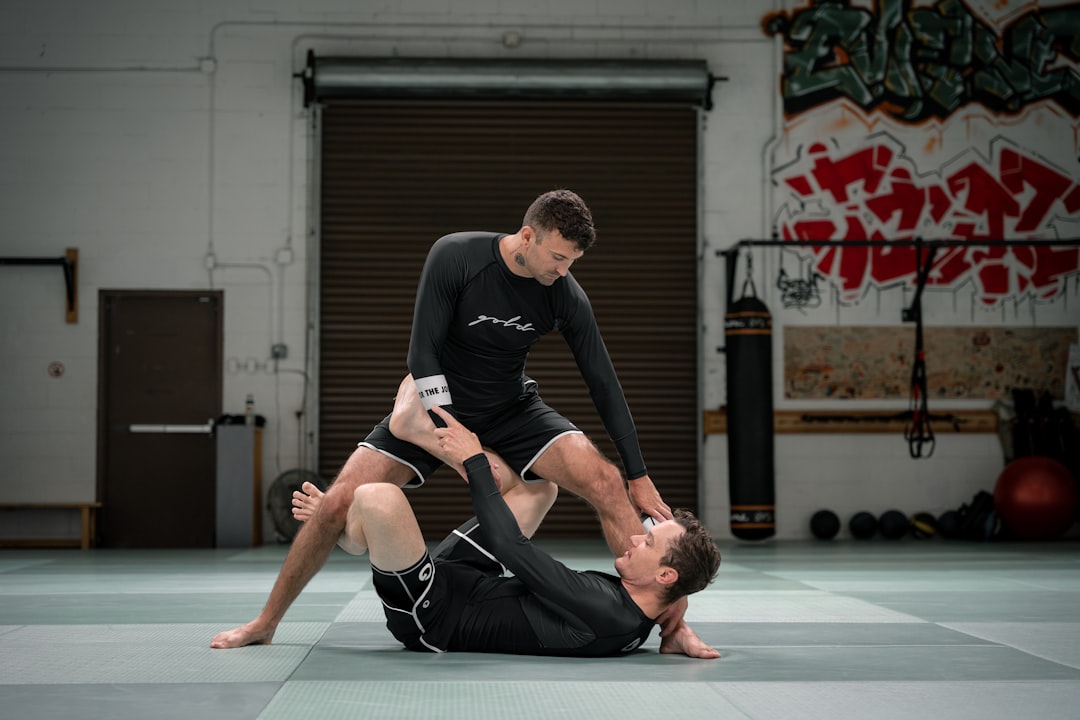
How to Train Smart: Recovery, Intensity, and Injury Prevention
The biggest mistake adult beginners make is training like they are 20. The second biggest is training too little out of fear. Both end the same way — quitting within three months. The goal for your first 90 days is simple: build a sustainable habit. Here is how experienced over-40 students structure it:
- Start at two to three sessions per week. That frequency is enough to progress and low enough to recover from. Add a fourth day only after two months of consistent attendance.
- Warm up longer than the class requires. Arrive ten minutes early and move your hips, shoulders, and neck before the official warm-up begins.
- Tap early and often. In grappling arts, ego is the number-one cause of adult injuries. There is no prize for escaping a deep submission.
- Sleep and protein are training tools. Recovery after 40 is built outside the gym. Aim for seven to eight hours of sleep and protein with every meal.
- Skip the hero rounds. Choose training partners who match your intensity, and communicate openly — say "I am working at 50 percent today." Good gyms welcome that.
Finding the Right Gym in Texas
The gym matters more than the art. A patient coach and a welcoming culture will keep you training; a competition-first environment will burn you out. When you visit, ask three questions: Do you have other students who started over 40? How is sparring intensity controlled? Can I watch or try a class first? Honest answers to those three tell you everything.
CombatTX exists to make this search easier. Our directory covers combat sports gyms across the state, from the big scenes in Houston, Dallas, and Austin to smaller communities statewide. Every listing includes the disciplines offered so you can filter for exactly the art you want to try first. You can also read more adult-focused training advice on the CombatTX blog.
Conclusion: Your First Month Starts With One Class
Starting martial arts over 40 is not about proving anything to anyone. It is about moving better, thinking sharper, and joining a community that trains together. Pick the art that genuinely interests you, commit to two classes a week for one month, and let consistency do the rest. If you own or coach at a Texas gym and want to reach adult beginners, you can also list your gym on CombatTX. Your first class is the only hard part — everything after that is progress.
Frequently Asked Questions
Q: Is 40 too old to start martial arts?
A: No. Many Texas gyms have dedicated adult beginner classes with students in their 40s, 50s, and 60s. BJJ, boxing, and karate in particular have strong over-40 communities. The keys are starting slow, training consistently, and choosing a gym with a beginner-friendly culture.
Q: Which martial art is safest for adults over 40?
A: BJJ and boxing fundamentals are the most common recommendations, since intensity is controlled and hard sparring is optional. Karate and Taekwondo are also low-impact entry points. Whatever you choose, tell the coach your age and goals so they can scale the training.
Q: How often should a 40-plus beginner train?
A: Two to three sessions per week is the sweet spot for the first few months. That gives your body time to adapt between sessions while building real skill. More is fine later, but consistency beats volume every time.
Comments