
Walk into any busy martial arts gym in Texas on a Tuesday evening and you’ll see something that statistics can’t quite capture: ordinary people transforming in real time. The teenager who couldn’t make eye contact during their first class is now leading warm-ups. The mid-career professional who joined to lose a few pounds is sparring with quiet authority. This quiet metamorphosis isn’t a marketing pitch — it’s the documented, repeatable effect of martial arts training on human confidence, and it’s one of the most compelling reasons to start.
Confidence built through martial arts is fundamentally different from the kind you get from a motivational seminar or a self-help book. It’s earned, not declared. Every belt promotion, every landed combination, every sparring round you survive reinforces a concrete, evidence-based belief: I can handle hard things. In this guide we’ll break down exactly how martial arts builds confidence, which disciplines tend to produce the fastest gains, and how to pick a Texas gym that will support your growth rather than break it down.
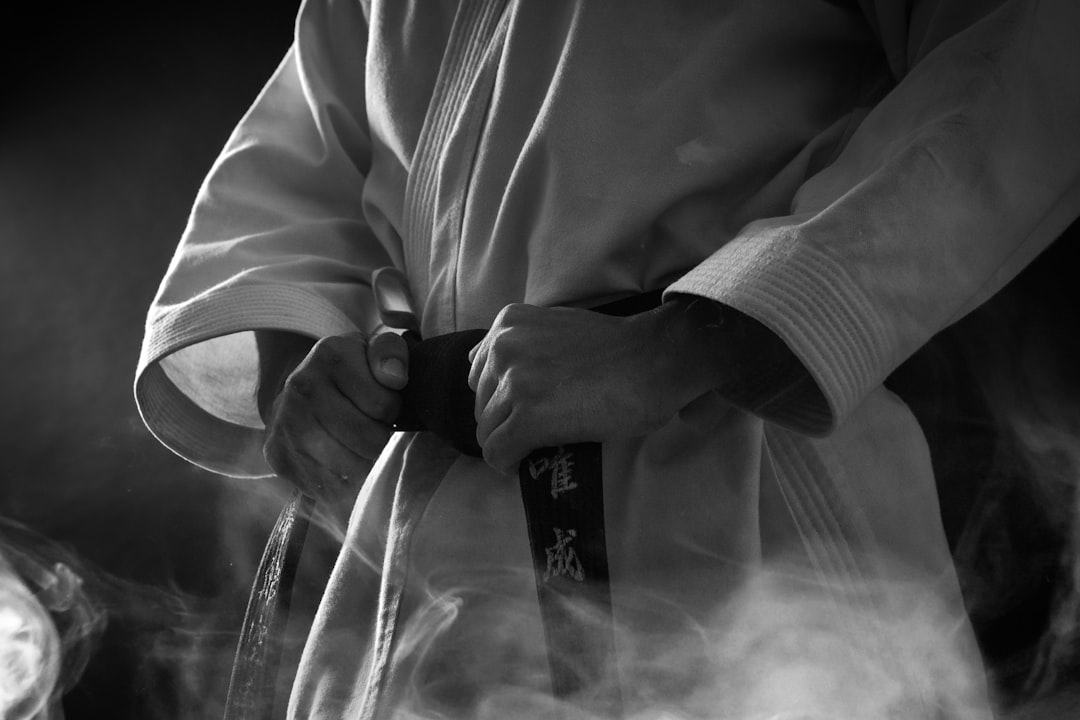
Why Martial Arts Builds Confidence Differently
Most confidence-building strategies fail for one simple reason: they rely on affirmation rather than evidence. Telling yourself “I am capable” rings hollow when your lived experience contradicts it. Martial arts flips this script. Confidence here is the natural byproduct of doing difficult, specific things — defending a takedown, escaping a bad position, landing a jab against a moving target — and accumulating proof that you can perform under pressure.
Researchers who study self-efficacy (the psychology term for belief in your own ability) have identified mastery experiences as the single most powerful driver. Martial arts is essentially a mastery-experience factory. Every class structures dozens of small, achievable challenges — a new sweep, a cleaner combination, a longer plank hold — and rewards honest effort with visible progress. Belt systems, stripe promotions, and instructor recognition all externalize this internal growth so you can see it.
There’s also a unique physical dimension. Martial arts training puts you in regular, controlled contact with your own body and its limits. You learn how it moves under stress, how it recovers, how strong it actually is. This embodied self-knowledge translates directly into how you carry yourself in the rest of life — the way you walk into a room, the steadiness of your voice in a meeting, your willingness to take up space.
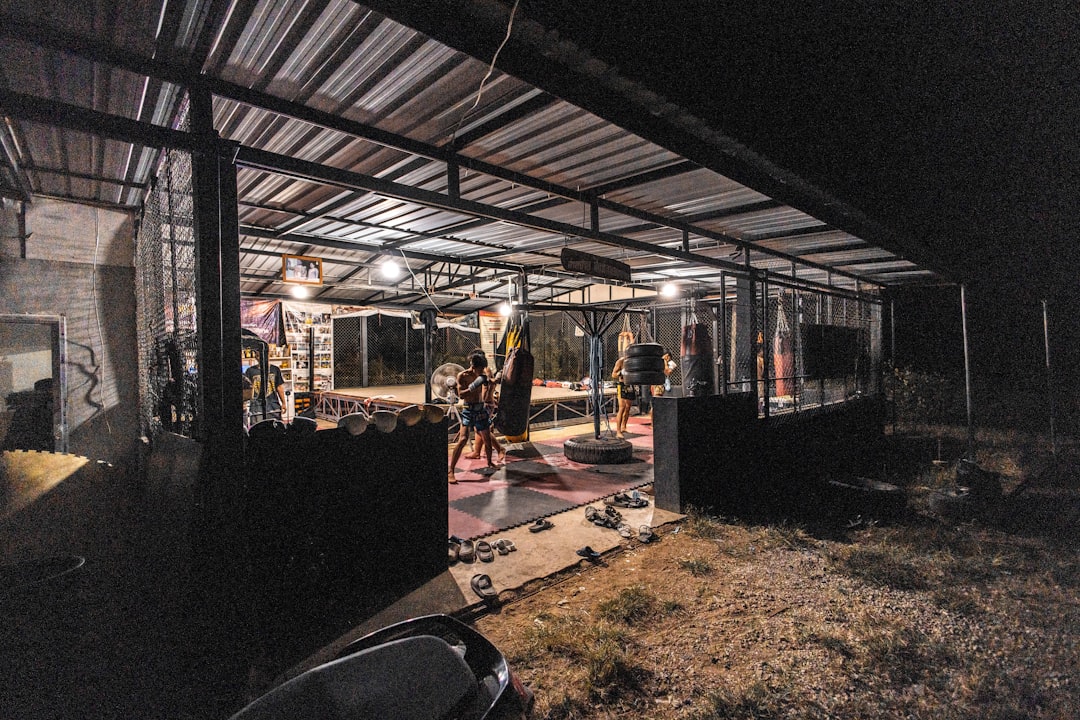
The Mechanics: How Confidence Actually Gets Built
If we zoom in on a single training cycle, the confidence-building mechanism becomes clearer. It typically runs through five stages, each reinforced week after week:
- Structured challenge — Instructors introduce a technique just outside your current ability, creating productive struggle without overwhelm.
- Repetition under guidance — You drill the movement dozens of times with feedback, building muscle memory and reducing fear of failure.
- Live application — Sparring, rolling, or pad work forces you to use the technique against resistance, proving it actually works.
- Reflection and feedback — Coaches and training partners name what you did well, converting vague effort into specific evidence.
- Visible progression — Belt tests, stripe promotions, and skill benchmarks make abstract growth tangible and celebrated.
This loop is why experienced practitioners often describe martial arts as “therapy with a purpose.” The structure removes the guesswork from self-improvement. You don’t have to wonder whether you’re getting better — the proof shows up on the mat every week, and over months it compounds into a quiet, unshakeable self-trust that bleeds into every other domain of life.
Which Martial Arts Build Confidence Fastest?
While any legitimate martial art will build confidence over time, certain disciplines tend to produce faster, more visible gains — especially for beginners. The key variable is how quickly the art puts you into live, resistant practice, because that’s where mastery experiences accumulate.
- Brazilian Jiu-Jitsu (BJJ) — Live rolling from day one means rapid feedback. The art is famously ego-destroying at first, but the confidence payoff is enormous once submissions start landing. Find BJJ schools in our jujitsu directory.
- Boxing — The simplicity of the toolkit (hands, feet, head movement) lets beginners see real skill gains within weeks. Sparring, when introduced responsibly, is a powerful confidence crucible. Browse boxing gyms in Texas.
- Muay Thai — The addition of elbows, knees, and clinch work accelerates the “I can defend myself” feeling. See Muay Thai gyms across the state.
- Wrestling — Perhaps the single fastest confidence-builder for young people, thanks to its one-on-one, full-effort nature. Explore wrestling programs.
- Karate & Taekwondo — Belt systems provide clear, externalized milestones, which is especially powerful for kids and teens. Find karate schools and taekwondo schools.
The honest answer is that the best martial art for confidence is the one you’ll actually stick with. Consistency, not style, is the variable that matters most. A karate school you attend three times a week for two years will build more confidence than a BJJ gym you visit twice a month.
Choosing a Texas Gym That Builds Confidence, Not Ego
Not every gym is created equal when it comes to confidence-building culture. A toxic training environment can do real psychological damage, especially for beginners and young people. When evaluating a school in Houston, Austin, Dallas, or anywhere else in Texas, look for these green flags:
- Structured beginner onboarding — A dedicated fundamentals class or intro curriculum signals the gym invests in new students’ success.
- Controlled, consent-based sparring — Live rolling should be opt-in, matched by size and experience, and closely supervised.
- Promotion based on ability, not attendance or fees — Beware schools that guarantee belts on a timeline or charge for every stripe.
- Coaches who coach, not compete — The best instructors rarely “go hard” with students; they create scenarios for you to succeed.
- A visible community — Watch a class. Are higher belts helping lower belts? Do people linger and talk afterward? That’s a healthy culture.
Texas has an exceptionally deep talent pool across all major disciplines, which means you have real choice. Use our Houston, Austin, and Dallas city guides to shortlist schools, then take advantage of free trial classes before committing. Most reputable gyms offer at least one.
Conclusion
Martial arts builds confidence the right way — through earned evidence, structured challenge, and a community that holds you accountable while celebrating your wins. The transformation rarely happens overnight, but it is remarkably reliable: show up consistently for six months and you will be a measurably more confident person, on and off the mat. Three takeaways to carry forward: (1) confidence comes from mastery experiences, not affirmations; (2) the best discipline is the one you’ll stick with; and (3) gym culture matters more than the art itself. Ready to start? Browse Texas martial arts schools and find a community that will help you grow.
Frequently Asked Questions
How long does it take to build confidence through martial arts?
Most beginners report noticeable confidence gains within three to six months of consistent training (2–3 classes per week). The biggest leaps typically come after the first live sparring or rolling session you survive, and again at your first belt promotion. BJJ and boxing tend to produce the fastest visible gains because they involve live practice early.
Which martial art is best for building confidence in adults?
For adults starting from scratch, Brazilian Jiu-Jitsu and boxing are widely considered the fastest confidence-builders because they put you into resistant, live practice quickly and produce undeniable skill gains. That said, the best choice is whichever discipline you’ll attend consistently. Texas cities like Houston, Austin, and Dallas have deep talent pools in all major arts — use CombatTX to compare schools near you.
Can martial arts help with social anxiety or low self-esteem?
Many practitioners report significant improvements in social anxiety and self-esteem, and there’s a growing body of research supporting this. The combination of physical mastery, supportive peer relationships, and regular exposure to controlled stress (sparring) appears to reduce baseline anxiety over time. It’s not a replacement for professional mental health care, but it’s a powerful complement — and many Texas gyms actively foster mental-health-friendly cultures.
Comments