
Ask anyone who has trained for more than a few years what combat sports changed most, and few will mention the punches or the submissions. They talk about showing up. About drilling when nobody is watching. That is the real answer to how combat sports build discipline — not through motivational speeches, but through a training structure that quietly rewards consistency and exposes every excuse.
Unlike a casual gym routine, combat arts are skill-based: you cannot fake your way through a round of sparring, a takedown drill, or a pad session. That built-in honesty is exactly why the discipline you develop on the mat tends to follow you home. In this guide, we break down why combat sports are so effective at building discipline, the specific daily habits that training instills, and how to choose a gym in Texas that reinforces those habits from your very first class.

Why Combat Sports Build Discipline Faster Than Most Activities
Most activities let you hide. You can coast through a jog, scroll between sets, or skip a week at the gym with nobody noticing. Combat sports remove those escape hatches, and three structural features explain why:
- Immediate, honest feedback. Sloppy technique fails in real time. If your guard is loose or your stance is wrong, you find out within seconds — no wishful thinking required.
- Partner accountability. Training partners notice when you skip class, and drills literally do not work if you are absent. In Houston, Dallas, and Austin gyms alike, the person holding pads for you is counting on you to show up.
- Visible progression. Belt systems in Brazilian jiu-jitsu, karate, and taekwondo — and skill levels in boxing and wrestling — turn abstract “getting better” into concrete milestones you earn over months and years.
Psychologists tend to describe discipline less as raw willpower and more as environment design: people stick with activities where feedback is fast, progress is visible, and social expectations pull them forward. Combat sports check all three boxes by default. That is why a structured martial arts program often succeeds where home workout plans fail — the system does the heavy lifting for you. If you are comparing options, browsing a martial arts school directory is the fastest way to see which structured programs exist near you.
The Daily Habits That Turn Training Into Discipline
Discipline is not one big decision — it is a stack of small routines repeated until they become automatic. Combat sports install these routines quickly because every class follows a rhythm: you arrive, warm up, drill, spar, cool down, and repeat. Over months, that rhythm migrates into the rest of your life.
- Consistent scheduling. Most students settle into two to four classes per week. Knowing exactly when you train removes the daily “should I?” debate that derails most fitness plans.
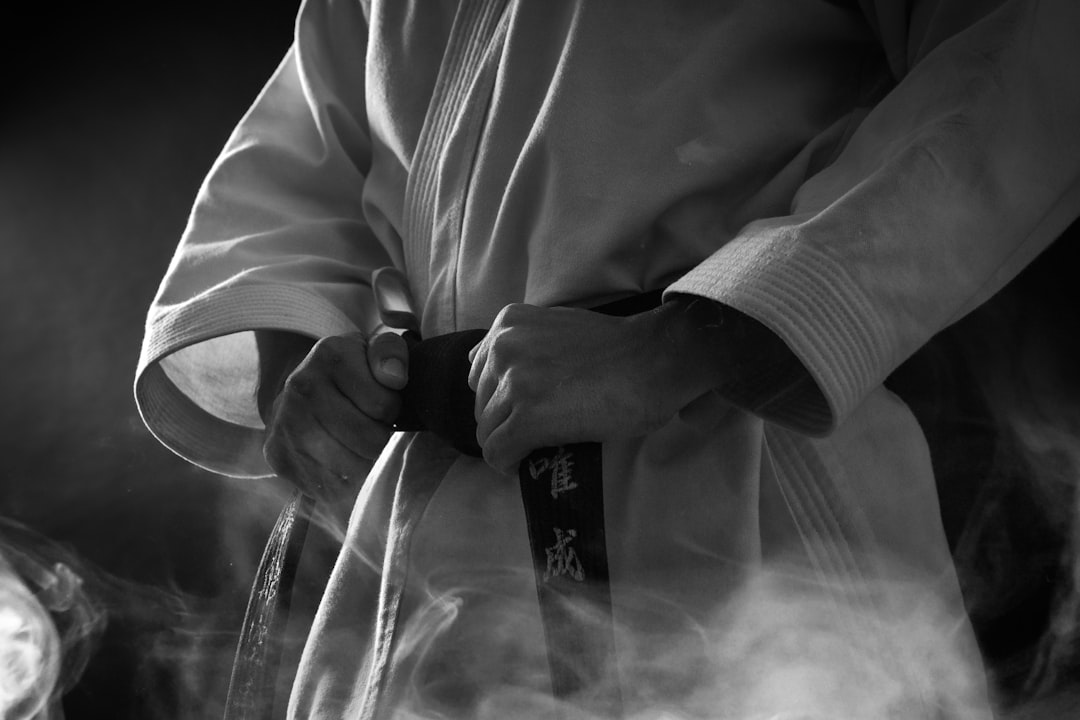
- Ritual before effort. Wrapping your hands, tying your belt, or lining up focuses your attention before hard work begins — a portable habit for any demanding task.
- Small-goal thinking. You learn to chase one improvement at a time: a cleaner jab, a tighter defense, one new sweep. Progress compounds.
- Comfort with discomfort. Being tired, getting tapped out, losing rounds — regular exposure to controlled hardship recalibrates what you consider “hard” off the mat.
- Coachability. Taking corrections without ego is drilled into every class, and it is arguably the most career-relevant skill training teaches.
Not sure how many days a week you can realistically commit to? Our guide to how often you should train martial arts breaks down realistic schedules for beginners, hobbyists, and competitors — because discipline starts with a plan you can actually keep.
How Combat Sports Discipline Transfers to Work, School, and Life
The transfer effect is what makes combat sports different from a hobby. Because training rewards process over outcome, practitioners get repeated practice at delayed gratification: you drill for weeks before a technique works live, and you may train for a year before your next belt. That patience maps directly onto studying, long projects, and health goals. It is no coincidence that so many parents in Texas enroll kids in martial arts specifically for the classroom spillover — better focus, calmer reactions, and improved respect for teachers and routines are the outcomes families report most often.
For adults, the mechanism is similar. The self-regulation you practice under pressure — controlling your breathing when exhausted, staying composed after a bad round — is the same skill set used for deadlines, difficult conversations, and stress management. Training also builds an identity: once you see yourself as “someone who trains,” skipping sessions starts to feel like breaking a promise to yourself. That identity shift is the engine behind the discipline reputation martial arts have carried for decades. For a deeper look at the psychological side, see our guide to the mental benefits of martial arts training.
How to Choose a Gym That Builds Discipline
Not every gym builds discipline equally. Look for a structured curriculum with clear progression (belts or documented skill levels), a class schedule you can attend consistently, and coaches who correct technique rather than just run workouts. A good first step is touring two or three schools near you and watching a beginner class in action. You can compare programs across the state — from Houston combat sports gyms to Dallas training centers — or browse dedicated categories like boxing gyms and wrestling schools to see what each discipline emphasizes.
Conclusion
Combat sports build discipline the same way they build skill: through structure, feedback, and repetition. You will not find it in a single inspirational class — you will find it in week six, when showing up stops being a decision and becomes a habit. The payoff reaches far beyond the gym: better focus, steadier stress responses, and an identity anchored in consistent effort. If you have been waiting for motivation to strike, treat this as your sign to build the structure instead. Explore martial arts schools across Texas on CombatTX, keep reading on our blog, and find a gym where discipline is simply part of the curriculum.
Frequently Asked Questions
How long does it take to build discipline through combat sports?
Most people notice habit changes — better attendance, steadier routines — within four to eight weeks of consistent training, typically two to three classes per week. Deeper changes in patience and self-regulation usually develop over six months to a year.
Which combat sport builds the most discipline?
All of them build discipline through structure, but traditional arts with formal belt systems — karate, taekwondo, judo, and Brazilian jiu-jitsu — make progression especially visible, while boxing and wrestling build it through demanding repetition. The best choice is the one you will attend consistently, so compare BJJ schools, boxing gyms, and other programs near you before committing.
Are combat sports good for building discipline in kids?
Yes — this is one of the most common reasons Texas parents enroll their children. Structured classes teach kids to follow instructions, respect routines, and work toward incremental goals, and many families report improved focus at school within a few months. See our guide on why kids should train martial arts for a fuller breakdown.
Related Guides
- The Mental Benefits of Martial Arts Training
- How Martial Arts Builds Confidence: A Guide for Texas Practitioners
- How Often Should You Train Martial Arts?
- How Much Does Martial Arts Training Cost in Texas?
- Why Kids Should Train Martial Arts: A Parent’s Guide
- Martial Arts for Weight Loss: What Actually Works
- Martial Arts Schools in Texas
- Combat Sports Gyms in Houston
- Combat Sports Gyms in Austin
- More Guides on the CombatTX Blog
Comments