
When most people sign up at a martial arts gym, they come for the workout, the self-defense skills, or the discipline. Almost nobody joins for the friends — and yet friendship is exactly what keeps them there years later. The social benefits of joining a martial arts gym are the industry’s worst-kept secret: training partners who remember your name, coaches who notice when you skip a week, and a room full of people chasing the same goal. In a state as big and spread out as Texas, where adults routinely struggle to meet new people after college, a martial arts gym is one of the few places that builds real relationships organically. You don’t have to force small talk. You show up, drill, sweat, and get to know the people next to you one round at a time. In this guide, we’ll break down the social benefits of a martial arts gym — from accountability partners to kids’ confidence — and show you how to find a gym community in your Texas city that actually fits you.
Training Partners Turn Strangers Into Friends
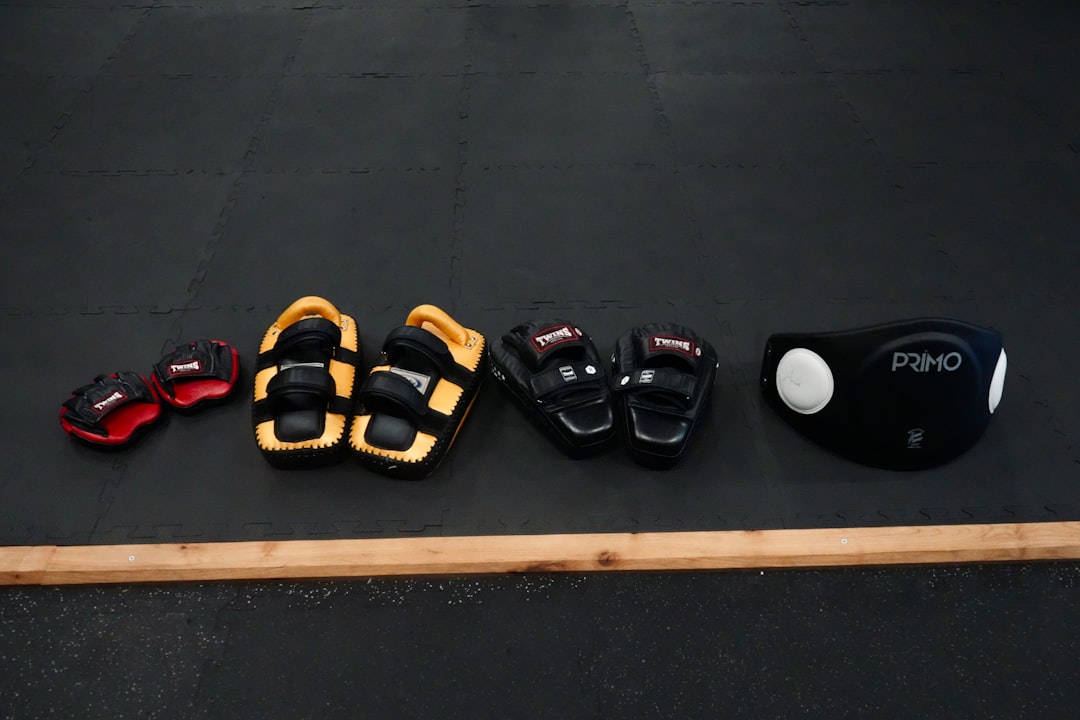
Most workouts are lonely by design. You put on headphones, stare at a treadmill screen, and leave without saying a word. A martial arts gym is the opposite: nearly every class is built around partnered drills. You hold pads for someone, they hold pads for you, and within a few sessions you know their name, their job, and whether they prefer a fast jab or a heavy cross.
That structure matters because shared effort bonds people faster than shared interests. Struggling through a hard round of sparring or finally landing a technique you’ve drilled for weeks creates the kind of connection that a casual hobby group rarely matches. It’s the reason so many people who start at a BJJ school or a boxing gym end up grabbing food with teammates after class, carpooling to tournaments, and showing up to each other’s belt promotions.
There’s also a built-in icebreaker you won’t find anywhere else: rank. Beginners get welcomed and coached by higher belts, and higher belts stay humble by teaching. Nobody is too intimidating to talk to when they just spent five minutes helping you escape side control.
Accountability: The Social Benefit That Keeps You Training
Gym memberships everywhere go unused because nobody notices when you quit. At a martial arts gym, people notice. Your training partner texts asking where you were on Tuesday. Your coach asks if everything’s okay. That gentle social pressure is one of the most powerful accountability systems ever devised — and it’s completely free.
This is why training consistency is easier to maintain in martial arts than in almost any other fitness pursuit. Group classes run on a schedule, partners expect you, and skipping starts to feel like letting the team down rather than just yourself. Over months, that consistency compounds into real skill — and real relationships.
If you’ve tried and failed to stick with a solo fitness routine, a gym with a strong community solves the motivation problem for you. Browse martial arts schools in Texas and visit a few — you’ll feel the difference in the room within one class.
Your Martial Arts Gym as a Third Place
Sociologists talk about “third places” — locations beyond home and work where people regularly gather and belong. Churches, barbershops, and old-school pubs used to fill that role. For millions of adults today, the martial arts gym has quietly taken over.
Third places work because they’re low-pressure and recurring. You don’t have to organize anything; you just show up at class time and the community assembles around you. Over a year, those hours add up: open mats, seminars, movie nights, charity demos, competition weekends in Dallas or Houston. Gyms in cities like Austin and Houston regularly host cross-gym events where you meet training partners from other academies, widening your circle even further.
For people who work remotely or recently relocated to Texas, this matters more than any technique you’ll learn. A gym gives your week a social rhythm that’s very hard to replicate.
The Social Benefits of a Martial Arts Gym for Kids and Teens
For children, the social side of martial arts may be even more valuable than the physical side. A good kids’ program is a structured social environment: lined up together, paired up together, and taught to encourage — not mock — less experienced teammates. Kids who struggle in unstructured settings like recess often thrive in that clarity.
Training also mixes ages and skill levels in healthy ways. Older students learn patience by helping younger ones; younger students gain older role models who aren’t parents or teachers. For teens, a gym offers a positive peer group at exactly the age when peer influence peaks — a big reason kids benefit so much from martial arts beyond fitness and self-defense.
Parents get a community too. Between classes, tournaments, and belt ceremonies, gym families become each other’s support network. If you’re comparing programs, our guide to choosing the right martial art for your child walks through the options.
Conclusion
The techniques will change your body, but the people will change your life. The social benefits of joining a martial arts gym — built-in friends, real accountability, a genuine third place, and a healthy community for your kids — are what turn a two-month experiment into a decade-long practice. Ready to find your people? Explore martial arts schools across Texas on CombatTX, or start with gyms in Dallas, San Antonio, and beyond. Your first training partners are already there.
Frequently Asked Questions
Is a martial arts gym good for making friends as an adult?
Yes — it’s one of the best social environments for adults. Partner-based drills force regular interaction, shared effort builds bonds quickly, and classes recur weekly so relationships form without any extra planning. Many Texas gyms also host open mats and social events.
Which martial art has the strongest community?
Brazilian Jiu-Jitsu and boxing gyms are known for especially tight communities because live training (rolling and sparring) creates daily trust between partners. That said, any gym with regular partnered classes — Muay Thai, judo, wrestling — builds the same bonds.
How do I find a martial arts gym with a good community in Texas?
Ask for a free trial class and watch how students interact: do higher belts help beginners, and do people linger after class? Those are the signs of a healthy gym culture. You can compare martial arts gyms across Texas on CombatTX to build a shortlist near you.
Comments