
Every martial artist eventually faces the same frustrating moment: you are progressing, you are consistent, and then an injury sidelines you. Whether it is a tweaked rib from boxing, a sore knee from jiu-jitsu, or a bruised shin from Muay Thai, the question is never just “how do I heal?” — it is “what can I still do?” Training around injuries, done correctly, keeps your skills sharp, your routine intact, and your head in the game while your body repairs itself. Done carelessly, it turns a two-week nuisance into a two-month layoff.
This guide walks you through a practical, common-sense approach: how to assess what happened, which substitutions work for each discipline, what you can safely do at home, and the red flags that mean full stop. The goal is not toughness theater — it is returning to the mat, ring, or cage better than you left it.
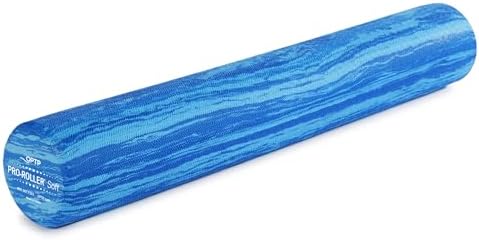
Recovery Gear We Recommend
CombatTX is reader-supported. When you buy through links on our site, we may earn an affiliate commission at no extra cost to you. As an Amazon Associate, CombatTX earns from qualifying purchases.


How to Keep Training Around Injuries Without Making Them Worse
Before you change anything about your training, change how you evaluate the problem. Most recreational athletes make one of two mistakes: they stop entirely and lose momentum, or they ignore the pain and compound the damage. The middle path — modifying training around injuries — starts with three steps.
- Get a real diagnosis. A sports-medicine doctor or physical therapist can tell you in minutes what weeks of guessing cannot. Stress fractures, ligament sprains, and tendon irritation each have different rules.
- Tell your coach and training partners. Texas gyms run on partner trust. If nobody knows your shoulder is aggravated, the teammate who usually goes 70 percent will crank it at 100.
- Apply the pain traffic light. Green: dull, muscular ache that does not change your technique. Yellow: discomfort that alters how you move. Red: sharp, joint-located, or worsening pain. Train in the green, modify in the yellow, stop completely in the red.
Smart Substitutions by Discipline
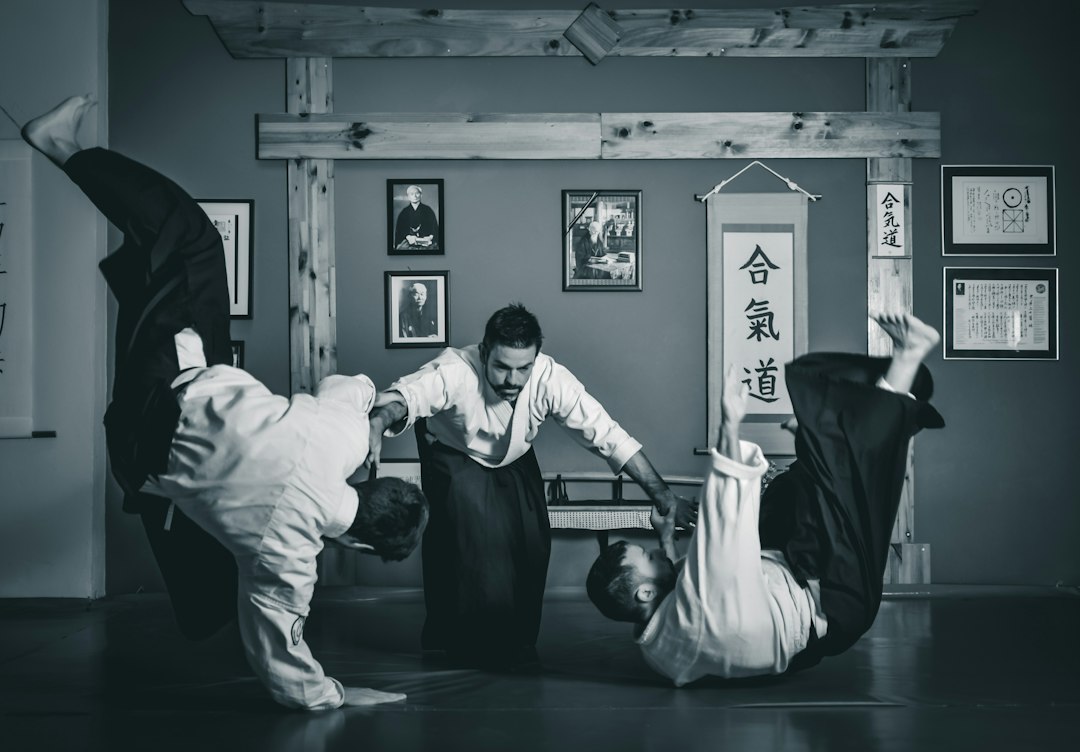
The best injury workarounds keep you practicing your actual art with the injured part removed from the equation. Here is how that looks discipline by discipline.
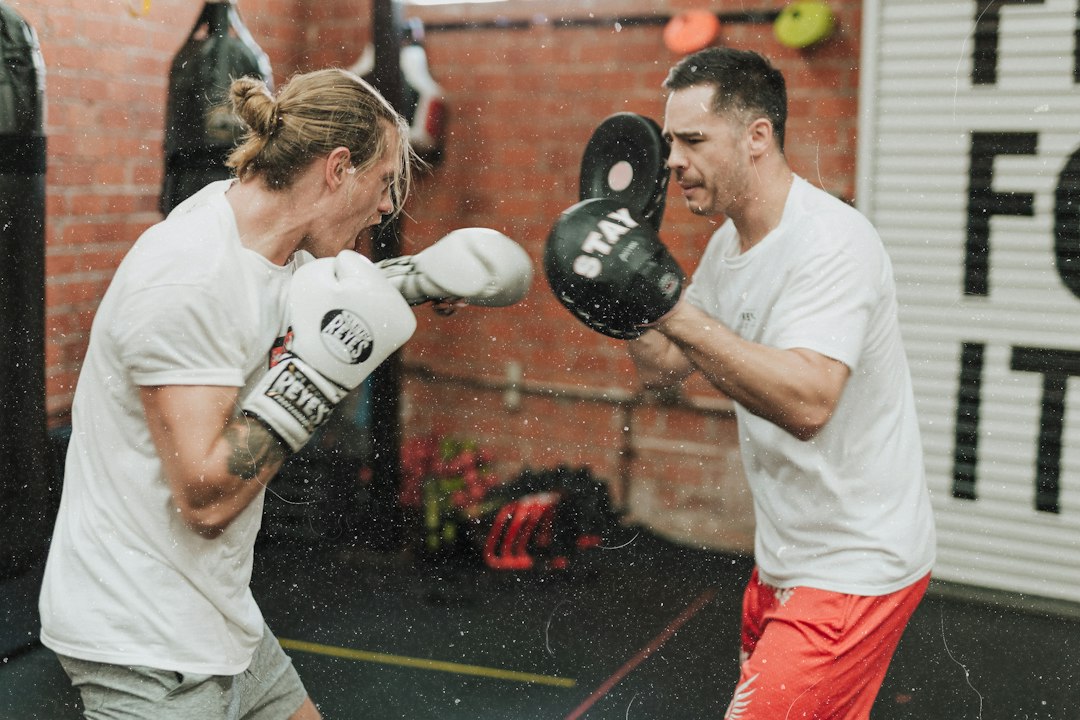
- Boxing with a hand, wrist, or rib injury: skip the bag work entirely and build rounds of footwork, head movement, and shadowboxing with open hands. Defense is a skill you can sharpen with zero contact — many boxing gyms in Texas will let you take technical-only classes while you heal.
- BJJ with a knee or rib injury: drill from seated positions, work guard retention with a cooperative partner, and study grip fighting. Flow rolls at quarter speed keep your timing alive. Browse jiu-jitsu schools with beginner-friendly mats if you are restarting carefully.
- Wrestling with a shoulder or neck issue: this is the one art where you should be the most conservative. Focus on hand-fighting, stance and motion drills, and film study until a doctor clears live wrestling. Our wrestling gym directory lists programs across the state.
- Muay Thai with a bruised shin: switch to boxing-only rounds, light clinch positioning, and teep technique on a soft target. Kicking through a bone bruise is how fighters earn stress fractures. Compare Muay Thai gyms when you are ready to return.
Training Around Injuries at Home: What You Can Still Do
Home training is where injured athletes either accelerate or stall. The days you cannot get to the gym are not lost days — they are skill days in disguise. Film study is the most underrated tool in combat sports: watching high-level matches in your discipline builds the pattern recognition you will feel when you return. Follow it with deliberate visualization, which motor-learning research on athletes suggests helps maintain the neural pathways for movement even when you cannot physically rehearse them.
Physically, work the unaffected systems. A hurt right hand still leaves you a left hand, a set of legs, and a core. Fifteen minutes of footwork patterns in your garage — the kind covered in our boxing footwork drills guide — costs your injury nothing. Mobility work for the healthy joints around the injured one also pays off: when you are cleared, you come back moving better than before you got hurt.
Recovery Basics: Sleep, Food, and the Comeback Plan
Training around injuries only works if the recovery side is real. Sleep is when tissue actually repairs — seven to nine hours is not optional for a healing athlete. Keep protein high, keep hydration consistent, and use easy movement like walking or swimming as active rest rather than total stillness, which tends to stiffen healing tissue.
When you return, scale back before you ramp up. Your first week back should feel almost too easy: reduced rounds, no sparring, and honest check-ins with how the injury responded the next morning. If you need a framework for sustainable frequency, our guide on how often to train martial arts includes a comeback-week approach. Athletes starting martial arts over 40 should budget a little longer per injury than younger training partners — that is physiology, not weakness.
Conclusion: Train Smart, Come Back Stronger
An injury is a detour, not a dead end. Get a diagnosis, modify intelligently, use the downtime for film study and footwork, and return at a volume your body can absorb. The training partners who last decades in combat sports are rarely the most talented — they are the ones who respected the red flags. When you are ready to get back on the mats, browse combat sports gyms in Houston or explore the rest of the CombatTX blog for training guides, and gym owners can list their gym to reach Texas athletes searching for a new home.
Frequently Asked Questions
Q: Should I train through pain while healing?
A: Train through dull muscular soreness only if it does not change your technique. Never train through sharp, stabbing, or joint-located pain — pain that alters your movement pattern usually means the injury is getting worse, not better.
Q: How long should I stay out of sparring after an injury?
A: It depends on the injury, but most soft-tissue issues need one to three weeks of modified training before live rounds, and joint or bone injuries need medical clearance first. Your first week back should be technical work at reduced intensity.
Q: Will I lose skill during time off training?
A: Martial arts skill decays slowly — a few weeks off costs far less than people fear. Film study, visualization, and light technical drills preserve timing, and many athletes return with better movement habits after forced rest.
Comments