
Taekwondo is one of the most popular martial arts in San Antonio, and it’s easy to see why. The Korean art of kicking and striking builds flexibility, discipline, and explosive power while remaining accessible to students of nearly every age. Whether you’re a parent searching for the best taekwondo in San Antonio for your child, an adult returning to training after a long break, or a complete beginner looking to earn your first belt, the Alamo City has dozens of reputable dojangs to choose from.
This 2026 guide walks you through what makes a great taekwondo school, how much classes typically cost in San Antonio, what to look for during a trial class, and how to narrow the field based on your goals — whether that’s competition, fitness, self-defense, or family training. We’ll also point you to top schools listed in our taekwondo school directory and our broader San Antonio combat sports guide.
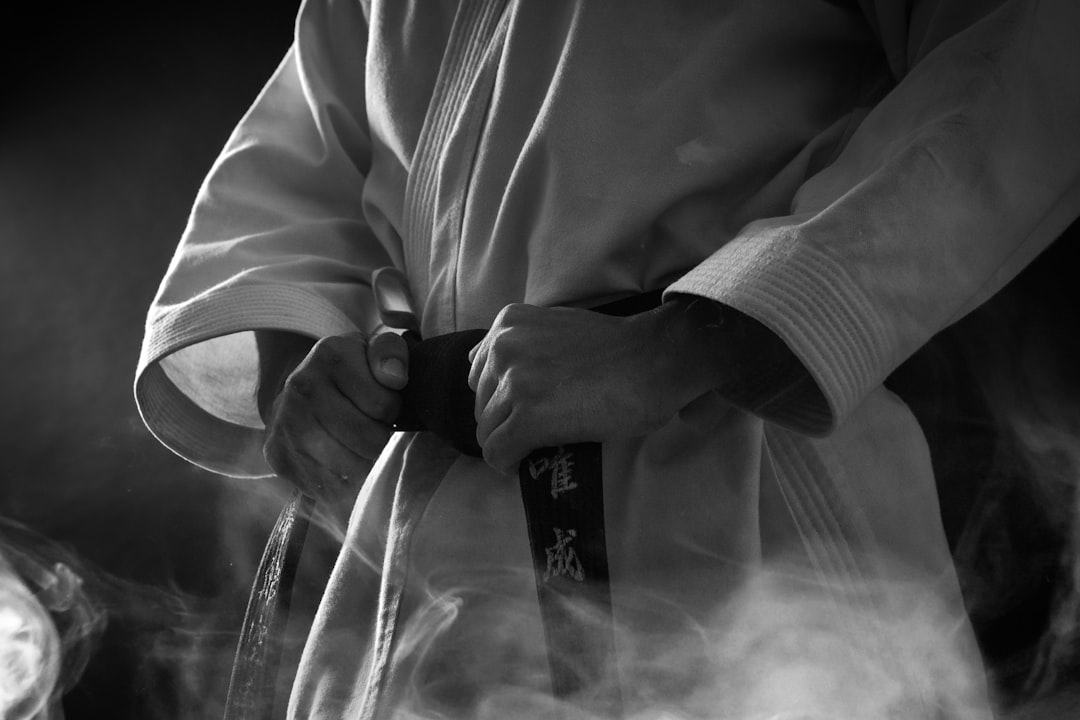
Why Taekwondo Is So Popular in San Antonio
San Antonio’s large military presence, strong youth sports culture, and growing international community have made taekwondo one of the city’s fastest-growing martial arts. As the official sport of the Olympics and the most widely practiced martial art worldwide, taekwondo carries instant name recognition — and its emphasis on dynamic kicks, speed, and footwork appeals to kids and adults alike.
Compared to other striking arts, taekwondo places a heavy emphasis on leg technique, which develops balance, hip mobility, and cardiovascular endurance. Many San Antonio parents also choose taekwondo because the curriculum is structured around clear belt ranks, respectful etiquette, and goal-setting — qualities that translate directly into better focus at school and at home. If you’re weighing taekwondo against similar arts, our breakdown of karate vs taekwondo for self-defense walks through the trade-offs in detail.
How to Choose the Best Taekwondo School in San Antonio
Not every dojang is the same, and the “best” taekwondo school depends heavily on what you’re trying to get out of training. Here are the key factors to evaluate before signing any contract:
- Certification: Look for schools certified by USA Taekwondo (USAT), Kukkiwon (the World Taekwondo Headquarters in Seoul), or a recognized lineage like the International Taekwon-Do Federation (ITF). Kukkiwon certification means your black belt will be recognized worldwide.
- Instructor credentials: Ask about the head instructor’s rank, competition background, and teaching experience. A 4th-degree black belt or higher (master level) typically indicates a deep technical foundation.
- Class structure: Are beginners separated from advanced students? Do they offer dedicated kids’ classes, adult classes, and sparring sessions? Quality schools split students by age and skill.
- Facility and equipment: Check for matted flooring, kicking targets, body shields, and a clean, ventilated training area. A well-maintained dojang is a sign of a well-run business.
- Trial program: Reputable schools offer a free or low-cost intro class. Take it. You’ll learn more about a school in one hour on the mat than from any website.
For families specifically, our guide to kids martial arts and our advice on choosing the right martial art for your child cover age-appropriate starting points and red flags to avoid.
What Taekwondo Classes Cost in San Antonio
Pricing for taekwondo classes in San Antonio varies based on the school’s reputation, location, and class format, but most dojangs fall within a predictable range. Understanding the typical cost structure helps you avoid both overpriced contracts and suspiciously cheap programs that cut corners on instruction.
- Group classes: $100–$180 per month for unlimited or twice-weekly attendance.
- Private lessons: $50–$100 per hour, often bundled with group membership.
- Belt testing fees: $40–$100 per promotion, increasing at higher ranks.
- Uniform and gear: $60–$150 for a dobok (uniform), and another $80–$200 for sparring gear (helmet, chest guard, shin and arm guards, mouthpiece).
- Annual membership: Many schools offer a discount of 10–20% for paying a year upfront, but read the cancellation policy carefully.
For broader context on how taekwondo compares to other martial arts in the region, see our full breakdown of martial arts training costs in Texas. The short version: taekwondo sits squarely in the middle of the pack — pricier than boxing gyms, on par with karate, and usually cheaper than premium BJJ academies.
The Best Age to Start Taekwondo
Most San Antonio taekwondo schools accept students as young as four in specialized “Little Tigers” or pre-skill programs, though serious technical training usually begins around age six or seven. Adults can start at any age — the art’s emphasis on flexibility and controlled movement makes it genuinely beginner-friendly, and many schools run dedicated adult-only tracks.
The bigger question is fit rather than age. If you’re exploring options for a child, our guide on the best age to start martial arts covers developmental milestones and what to realistically expect from training at different stages.
Conclusion
Finding the best taekwondo in San Antonio comes down to three things: certified instruction, a class structure that fits your schedule, and a school culture where you or your child actually want to keep showing up. Take advantage of trial classes, ask about Kukkiwon certification, and don’t be afraid to walk away from any school that pressures you into a long-term contract on day one.
Ready to start training? Browse verified taekwondo schools in San Antonio on CombatTX, compare programs side by side, and check out more resources on our martial arts blog. You can also explore our complete San Antonio combat sports directory for related disciplines like karate, judo, and boxing.
Frequently Asked Questions
How much does taekwondo cost in San Antonio?
Most taekwondo schools in San Antonio charge between $100 and $180 per month for group classes, with additional belt testing fees of $40–$100 per promotion. Uniform and sparring gear typically run $150–$350 total. Many schools offer family discounts and free trial classes, so it’s worth comparing a few dojangs before committing.
What is the best age to start taekwondo in San Antonio?
Kids can begin structured taekwondo classes around age six or seven, though many San Antonio schools offer introductory “Little Tigers” programs for ages four and five. Adults can start at any age — taekwondo’s progressive belt system and emphasis on controlled movement make it accessible even with no prior martial arts experience.
Is taekwondo good for self-defense?
Taekwondo develops strong kicking, distance management, and reflexes that translate well to self-defense situations, though it is sport-oriented by default. For San Antonio residents focused primarily on practical self-defense, pairing taekwondo with a dedicated self-defense program — or cross-training in a more reality-based art — offers the most complete skill set.
Related Guides
- Taekwondo Schools in Texas (Directory)
- San Antonio Combat Sports Guide
- Muay Thai Gyms in San Antonio
- Karate vs Taekwondo: Which Is Better for Self Defense?
- How to Choose the Right Martial Art for Your Child
- What Is the Best Age to Start Martial Arts?
- How Much Does Martial Arts Training Cost in Texas?
- CombatTX Blog
Comments