
Stepping onto the mat for the first time, every Brazilian jiu-jitsu beginner asks the same question: how does the BJJ belt system actually work? Unlike karate’s rainbow of colored belts, jiu-jitsu keeps things simple — just four adult belts stand between you and black belt, and each one is earned through years of mat time rather than monthly attendance stickers. Understanding the belt hierarchy before your first class helps you set realistic expectations, measure progress honestly, and avoid the frustration that pushes many beginners to quit inside their first year. In this guide, we break down the adult and youth belt systems, typical promotion timelines, and what each rank actually signals about your game. We’ll also cover the stripes that mark progress between belts and the habits that speed up — or stall — your promotions. Whether you train in Houston, Austin, or anywhere else in Texas, here is what the belt around your waist really means.

How the BJJ Belt System Works: The Four Adult Belts
The adult BJJ belt system is refreshingly straightforward. There are only four belts below black: white, blue, purple, and brown. That is it — no yellows, no greens, no intermediate colors invented to keep students paying. Each belt can also be awarded up to four stripes, which give instructors a way to recognize progress inside a single rank.
- White belt — where everyone starts; the focus is survival, defense, and escaping bad positions
- Blue belt — the first major milestone, typically earned after one to two years of consistent training
- Purple belt — the rank where your personal game takes shape and attacks start chaining together
- Brown belt — the refinement stage, where efficiency and pressure replace raw effort
- Black belt — the classic marker of deep technical knowledge and thousands of hours on the mat
The IBJJF (International Brazilian Jiu-Jitsu Federation) publishes minimum time-in-rank guidelines that most gyms follow loosely, but every instructor promotes on their own criteria — technical skill, rolling performance, attendance, and attitude all factor in. Competitive gyms across Texas often accelerate promotions for athletes who compete regularly, since competition results are the most objective measuring stick available. If you are still deciding where to train, browse the jujitsu gym listings on CombatTX to compare programs near you.
BJJ Belt System Timelines: How Long Each Promotion Takes
Promotion timelines vary enormously between individuals, but real-world averages from large gym datasets give beginners a useful benchmark:
- White to blue belt: 1-2 years at two to four sessions per week
- Blue to purple belt: 2-3 additional years — the longest jump in the system
- Purple to brown belt: roughly 1.5-2 additional years
- Brown to black belt: 1-2 final years of polishing
That places the average journey to black belt at around ten years, though exceptional competitors have done it in five. Stripes usually arrive every four to six months at white belt, then slower at higher ranks. Training consistency matters more than intensity: two disciplined sessions a week for two years beats six chaotic sessions a month. Our guide on how often you should train martial arts breaks down a sustainable weekly schedule for beginners.
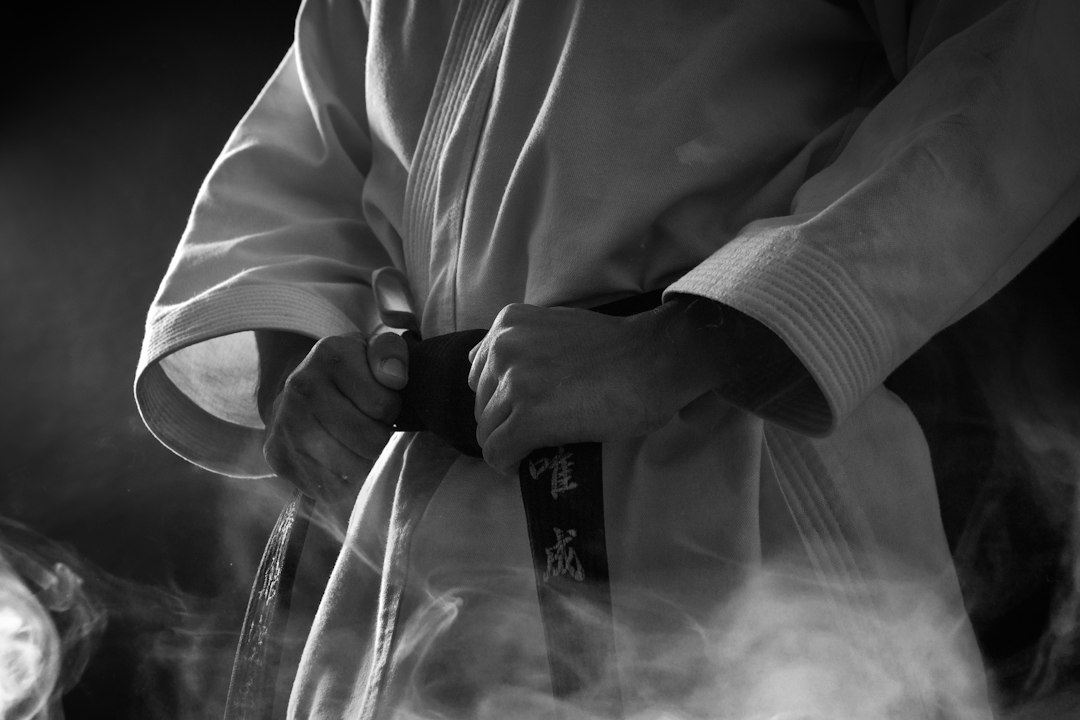
What Each BJJ Belt Rank Actually Means on the Mat
Belt colors describe stages of problem-solving, not just seniority. White belts are learning to survive — defending chokes, escaping mount, and conserving energy instead of panicking. Blue belts can defend and have a handful of reliable attacks; many coaches call blue the widest skill range in the sport because students arrive with wildly different games. Purple belts chain techniques together, attack in combinations, and start coaching lower ranks. Brown belts refine everything — less energy spent, fewer moves needed, relentless pressure. Black belts see positions several moves ahead and can usually dismantle a lower belt without breaking a sweat.
For beginners, the practical takeaway is this: you do not need to master submissions before your blue belt — you need solid defense, calm breathing under pressure, and a few high-percentage techniques from each major position. Start with the fundamentals in our five essential BJJ submissions for beginners, and make sure you show up in the right gear using our first BJJ class outfit guide.
Kids Belts and Common Mistakes That Stall Promotions
Children generally follow a separate belt path — grey, yellow, orange, and green, each with stripes — before transitioning to the adult system as teenagers. Kids’ promotions weigh attendance, behavior, and effort more heavily than raw results, which keeps training fun and age-appropriate. Parents comparing programs will find options in our Plano combat sports guide and the full jujitsu category directory.
Three mistakes slow adult promotions more than anything else: chasing the belt instead of the skill, skipping fundamentals to copy fancy competition techniques, and inconsistent attendance. Instructors notice who drills the basics. Safety concerns also hold some beginners back — if that sounds familiar, read Is BJJ Safe for Beginners? before your first roll.
The Bottom Line: Trust the Process
The BJJ belt system is deliberately slow because the skill it certifies is genuinely deep. A blue belt represents hundreds of hours of live grappling; a black belt represents close to a decade of problem-solving under pressure. Set your expectations around consistency, not calendar dates, and the promotions take care of themselves. Ready to start? Find a BJJ gym near you on CombatTX, explore city guides like Austin combat sports, or visit the CombatTX blog for more beginner guides.
Frequently Asked Questions About the BJJ Belt System
Q: How long does it take to get a black belt in BJJ?
A: The average is roughly 10 years of consistent training, though dedicated competitors have earned it in as little as 5. Time-in-rank minimums mean there are no real shortcuts.
Q: What belt do you start at in Brazilian jiu-jitsu?
A: Everyone starts at white belt, regardless of prior experience in other martial arts. Your first stripe typically arrives within 6-12 months of regular training.
Q: Do kids use the same belt system as adults?
A: No. Children progress through grey, yellow, orange, and green belts before switching to the adult system, which keeps goals age-appropriate and rewards effort.
Comments